Starbucks is preparing to build its first global capability centre in India, choosing Chennai for a new technology operation that is expected to create more than 800 jobs in its initial phase.
The Starbucks Chennai GCC will support the coffee company’s global business rather than its store operations in India. The new centre will work alongside Starbucks’ technology and business teams in the US and other markets, giving the company a larger in-house technology base as its digital operations continue to expand.
The move also adds another global name to Chennai’s fast-growing GCC ecosystem, where multinational companies are increasingly setting up teams for software development, engineering, finance, analytics and other specialised work.
Starbucks Picks Chennai for Its First India Technology Hub
Starbucks has selected Chennai after evaluating the city’s technology talent, infrastructure and ability to support a large global operation.
The company has signed an agreement to establish the centre, with hiring expected to begin as preparations for the new office move forward. The first phase is expected to create more than 800 high-value technology jobs in Chennai.
For Starbucks, this is not simply about opening another regional office.
The centre is expected to become part of the company’s wider global technology network. Teams based in Chennai will work with colleagues across Starbucks rather than operating as an isolated unit serving only India.
That gives the project a much larger role than the company’s retail presence in the country.
The GCC Will Operate Separately From Starbucks India Stores
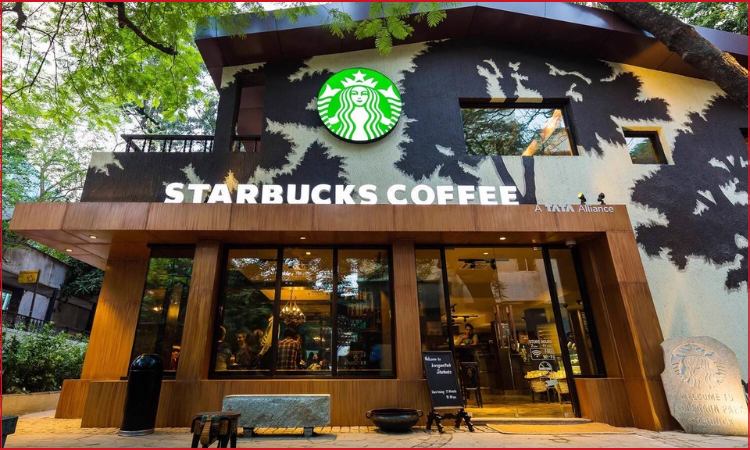
Starbucks already has a substantial consumer business in India through its joint venture with Tata Consumer Products. The chain operates roughly 500 cafes in the country.
The new technology centre, however, will sit outside that retail joint venture.
Its purpose is to support Starbucks’ international technology requirements, including work that currently involves external service providers.
Over time, the company plans to bring more of that work inside Starbucks. Building a larger internal technology workforce gives it more control over systems and products that are becoming increasingly important to how customers order, pay and interact with the brand.
This makes the Starbucks technology hub a very different investment from opening new coffee shops.
More Technology Work Could Move In-House
Large consumer brands now depend heavily on technology even when their core product has little to do with software. Starbucks is a good example.
Its mobile application, digital payments, loyalty programme, store systems, customer data and online ordering platforms are all important parts of the business. Behind the scenes, the company also needs technology for inventory, supply chains, staffing and store management.
Maintaining those systems requires large technology teams.
Some of that work has traditionally been performed by outside vendors. The Chennai centre gives Starbucks an opportunity to gradually bring more capabilities in-house.
That can help a company retain technical knowledge internally rather than depending heavily on contractors for systems that are central to everyday operations.
It can also make collaboration easier when teams are responsible for products over several years instead of completing individual outsourced projects.
Hiring Is Expected to Begin in the Coming Months
Starbucks is still in the early stages of setting up the centre.
Work now moves towards office preparation, recruitment planning and establishing how the Chennai teams will operate alongside Starbucks employees elsewhere.
Recruitment is expected to begin in the first quarter of the company’s next hiring cycle, with more details likely as the project gets closer to becoming operational.
The initial target of more than 800 jobs makes the centre sizeable from the beginning.
It also suggests Starbucks is not looking at Chennai simply as a small support location. The city is expected to become a meaningful part of the company’s wider technology organisation.
The roles are likely to attract attention from software professionals as well as workers with experience in digital platforms and enterprise technology.
Chennai Is Building a Larger GCC Base
Starbucks joins a growing list of international companies expanding global capability operations in Chennai.
The city already hosts major technology and business centres for companies across banking, insurance, healthcare and engineering.
That base has grown as GCCs themselves have changed.
Years ago, many multinational companies came to India mainly for lower-cost back-office work. Today, the India GCC market includes teams working on software products, cybersecurity, data science, artificial intelligence, finance and research.
The centres are increasingly responsible for projects that directly affect how their parent companies operate globally.
Chennai has benefited from this shift because it combines a large engineering workforce with a relatively mature corporate and technology ecosystem.
India Has Become the World’s Largest GCC Hub
The Starbucks announcement comes at a time when India’s GCC industry is already operating at enormous scale.
The country now has more than 2,100 global capability centres employing roughly 2.36 million people.
Together, these operations generate close to $100 billion in revenue.
Those numbers help explain why more companies are moving functions to India that would once have remained close to their global headquarters.
Businesses are no longer choosing India only for cost savings. Access to engineers, software developers and experienced technology managers has become equally important.
That is particularly useful for companies looking to scale digital teams quickly.
For a consumer company such as Starbucks, building technology capabilities in India can provide access to a much larger talent pool while supporting operations across several global markets.
Chennai Could Benefit From More High-Value Tech Roles
The 800 positions announced for the Starbucks Chennai GCC are also notable because they are expected to be technology-focused roles rather than conventional retail jobs.
That brings a different kind of employment to the Starbucks brand in India.
Instead of baristas, store managers or supply-chain workers, the new operation will need people capable of working on the digital infrastructure behind a global consumer business.
For Chennai’s technology sector, the arrival of another major international brand can also have a wider effect.
Large GCCs often create demand for experienced professionals, technology vendors, office infrastructure and specialist service providers. Once several global firms establish operations in the same city, they can create a deeper talent market that makes it easier for additional companies to follow.
Starbucks Is Becoming as Much a Digital Business as a Retail One
Starbucks will continue to be known primarily for coffee shops, but the systems running those shops are becoming increasingly digital.
Customers order through smartphones, earn rewards digitally and expect payments and personalised offers to work without friction. Store employees rely on software for everything from transactions to operations behind the counter.
That means technology is no longer a background function for the company.
The planned Starbucks technology hub in Chennai reflects that change. Building a large internal team gives Starbucks another location from which it can develop and maintain the systems used across its global operations.
The first phase will be watched closely, particularly as recruitment begins and more information emerges about the work being moved to Chennai.
For India’s wider GCC industry, the Starbucks decision is another sign that global companies are increasingly comfortable putting important technology functions in the country rather than limiting Indian teams to support roles.
With more than 800 positions planned initially, Starbucks’ first Indian GCC could quickly become a significant part of both the company’s global technology network and Chennai’s expanding base of multinational technology centres.