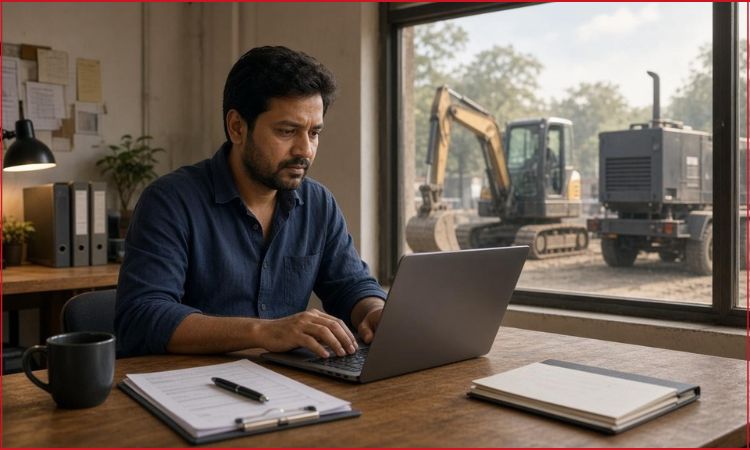
Walk into almost any growing business in India, whether it is a contractor in Pune, an events company in Jaipur or a food processing unit in Coimbatore, and you will hear the same question at some point: should we buy this machine, or should we rent it?
For years the default answer was to buy. Ownership felt safe, it looked good on the balance sheet, and it meant nobody could tell you the machine was unavailable. That thinking is changing. Rising interest costs, tighter working capital and faster-moving project cycles are pushing founders and finance heads to look at equipment as a service rather than a trophy asset.
This article walks through how that shift is playing out, what numbers actually matter, and how businesses on both sides of the rental counter can make smarter decisions.
Why the Old “Always Buy” Mindset Is Fading
Buying equipment ties up capital that most small and mid-sized businesses would rather use elsewhere. A single mid-sized excavator, a commercial generator set or a fleet of scaffolding can easily absorb several lakh rupees. That money could otherwise fund hiring, marketing, inventory or a cash buffer for slow months.
There are three pressures driving the change:
- Working capital is expensive. When borrowing costs climb, every rupee locked into a depreciating asset has a visible opportunity cost.
- Projects are shorter and more varied. A contractor might need a boom lift for six weeks, then nothing similar for months.
- Technology moves quickly. Machines with better fuel efficiency, telematics or emission standards arrive regularly, and owners can get stuck with older models.
The Ministry of Micro, Small and Medium Enterprises has repeatedly highlighted access to finance as one of the biggest constraints for small firms, and its official MSME portal lists a range of schemes aimed at easing that pressure. Renting is, in many ways, a practical response to the same problem.
The Real Cost Comparison Most Owners Skip
The mistake many owners make is comparing the monthly rental fee against a monthly EMI and stopping there. A fair comparison needs the full picture.
Costs of ownership
- Purchase price or down payment plus interest
- Insurance and registration
- Routine servicing and unexpected repairs
- Storage, security and yard space
- Operator training and certification
- Depreciation and eventual resale value
- Downtime when the machine breaks and there is no backup
Costs of renting
- Rental fee for the period used
- Transport to and from site, if not included
- Damage waivers or deposits
- The risk of non-availability during peak season
When you lay these side by side, a useful rule of thumb emerges. If a piece of equipment will be used less than roughly 60 to 70 percent of working days across the year, renting is usually cheaper once maintenance, idle time and depreciation are included. Above that, ownership starts to make more sense, as long as you have the people and processes to maintain it.
Where Renting Makes the Most Sense
Not every asset belongs in the same bucket. Here is how many businesses are now splitting their decisions.
Specialised or seasonal equipment
Cranes, piling rigs, large generators for wedding season, cold-storage containers during harvest: these are classic rental items. Demand is spiky, and owning them means paying for months of idle time.
Equipment for trial or new service lines
If a cleaning company wants to test industrial floor care for commercial clients, renting scrubbers for the first few contracts is far less risky than buying a fleet on day one.
Fast-changing technology
Laptops, surveillance systems, event AV gear and certain testing instruments become outdated quickly. Rental lets businesses keep current without carrying obsolete stock.
Core, high-utilisation assets
The flip side is also true. A transport company’s delivery vans or a fabrication unit’s main welding machines are used daily and often make sense to own or lease long-term.
What This Means for Rental Providers
The demand side is only half the story. India’s equipment rental sector, from large construction fleets to neighbourhood tool hire shops, is growing to meet this demand. But the businesses that win are not simply the ones with the most machines. They are the ones that run their operations well.
Customers renting equipment expect what they get from any modern service:
- Clear availability and pricing before they call
- Quick quotes and simple digital agreements
- Reliable delivery and pickup times
- Transparent invoices with no surprise charges
- Machines that are clean, serviced and safe
Meeting those expectations with a register book and a few spreadsheets gets harder as a fleet grows. Double bookings, missed service intervals and slow invoicing quietly eat margin. This is exactly where technology is reshaping small businesses across sectors, as this look at the impact of AI in scaling small business points out. Rental firms are no exception.
The Operational Backbone: Tracking Every Asset
For rental companies, the core questions never change. Where is each machine right now? When is it due back? When was it last serviced? How much has it earned this year?
A modern equipment rental management platform answers those questions in one place. Instead of chasing staff on the phone, owners can see live availability, schedule maintenance between bookings, generate contracts and invoices automatically, and spot which assets are underused. That visibility matters because utilisation is the single biggest driver of rental profitability. A machine that sits in the yard for half the month is costing money, not making it.
Good data also makes the business more bankable. When a rental company approaches a lender to expand its fleet, utilisation reports and clean revenue records per asset make a far stronger case than a rough estimate.
Practical Steps for Businesses Making the Decision
If you are weighing whether to rent or buy your next piece of equipment, these steps help:
- Estimate real utilisation. Look at the last 12 months of projects and count the days the equipment would genuinely be used.
- Price the full cost of ownership. Include insurance, maintenance, storage and depreciation, not only the EMI.
- Get two or three rental quotes. Ask about delivery, damage waivers and minimum rental periods.
- Think about flexibility. Would owning lock you into a model that may be outdated in three years?
- Consider a hybrid. Own the high-use core, rent the peaks and the specialist items.
A More Flexible Way to Grow
The shift from “buy everything” to “rent what makes sense” is not a passing trend. It reflects a broader move in Indian business towards asset-light growth, where capital goes into people, customers and capability rather than machines that sit idle.
For businesses renting equipment, it means more flexibility and healthier cash flow. For the companies supplying that equipment, it means an opportunity to grow, provided they invest in the systems that keep every booking, machine and invoice under control. Either way, the businesses that think carefully about equipment spending today will be the ones with more room to move tomorrow.