Late-night browsing for the right pair of shoes. A lazy Sunday morning spent comparing phone prices without getting off the couch. Most of us have been there, and it says something about how deeply online shopping has embedded itself into daily life in India. This is, by most measures, one of the more remarkable e-commerce stories anywhere in the world. Small towns in Rajasthan, the crowded streets of Mumbai, tech-driven Bengaluru — the geography barely matters anymore. Millions of people across all of it are buying something online today, and will again tomorrow.
What makes this possible is a combination of a few things arriving at once: cheap smartphones, cheaper data, and UPI making payments almost frictionless. Between them, the country’s ten leading shopping websites now let you order nearly anything, from a bag of groceries to a gold necklace, without leaving your chair. Analysts expect the market to cross $300 billion by 2030. Whether that number holds up exactly or not, the trajectory is clear enough.
This guide covers the ten platforms worth knowing, what sets each one apart, and a few practical habits that will make your shopping experience smoother and safer.
How We Picked These Platforms
There’s no single “best” site — it depends heavily on what you’re buying and how much patience you have for waiting on delivery. Still, a few criteria mattered most in putting this list together: how wide the product range is, whether prices and deals are genuinely competitive, how far the delivery network reaches, what actual customers say in reviews, how painless returns are, and whether the checkout experience feels modern rather than clunky.
With that groundwork laid, here’s the list.
1. Amazon India
Website: www.amazon.in
Best For: Everything — electronics, books, clothing, groceries, and more
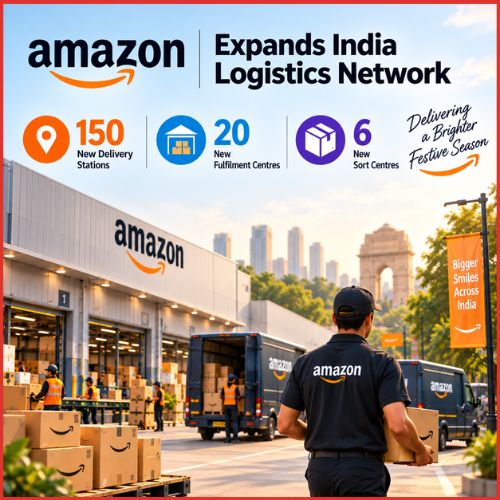
Amazon is usually the first name that comes up when Indians talk about online shopping, and for good reason. It entered the market in 2013 and has since built one of the most trusted e-commerce operations in the country. The scale is hard to overstate: millions of products, spread across hundreds of categories, most of them a couple of taps away.
Prime membership sweetens the deal considerably — faster delivery, plus Prime Video and Music thrown in, along with early access to major sales. Speaking of which, the annual Great Indian Festival sale has become something of a cultural moment in its own right, with steep discounts across electronics, fashion, and home appliances. Logistics is another strength; Amazon’s delivery network extends into smaller towns that many competitors still struggle to reach, and returns are generally straightforward within a 10-day window.
That said, prices aren’t always the lowest. It’s worth comparing before checking out, particularly for anything above a few thousand rupees.
Pro Tip: Amazon’s “Subscribe & Save” feature is easy to overlook, but it quietly saves money on things you buy repeatedly — shampoo, coffee, whatever your routine calls for.
2. Flipkart
Website: www.flipkart.com
Best For: Electronics, fashion, furniture, and smartphones
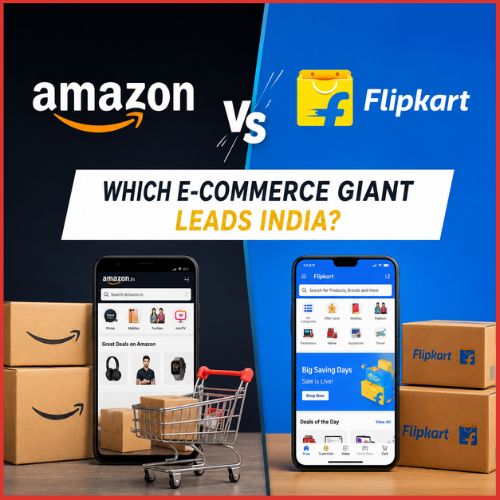
If Amazon is the global giant that adapted to India, Flipkart is the homegrown story that scaled to meet it. Sachin Bansal and Binny Bansal started it in Bengaluru back in 2007, initially as little more than an online bookstore. It’s now owned by Walmart and remains Amazon’s closest rival by almost any metric.
Big Billion Days is the platform’s signature sale event, and it draws crowds comparable to Amazon’s own festival sale. Flipkart also runs a SuperCoins loyalty programme, a dedicated grocery vertical, and a Pay Later option for shoppers who qualify. Electronics — smartphones especially — remain the category where Flipkart genuinely edges out the competition.
Delivery to more remote pin codes can lag a bit behind Amazon’s, though customer support has improved noticeably in recent years. One habit worth building: check the seller’s rating before you buy, since Flipkart is also a marketplace with third-party sellers of varying reliability.
Pro Tip: Turning on app notifications is a small thing, but it’s often the difference between catching a flash sale and missing it entirely.
3. Myntra
Website: www.myntra.com
Best For: Fashion, clothing, footwear, and accessories
For fashion specifically, Myntra tends to be the default starting point. The catalogue runs past 5,000 brands — H&M, Levi’s, Nike, and Adidas sit alongside a long list of Indian labels, covering clothing, footwear, bags, watches, and more for men, women, and kids alike.
Twice a year, the End of Reason Sale pushes discounts up to 80% on top brands, and it’s genuinely one of the bigger fashion sale events in the country. Myntra Studio adds a social commerce layer, letting shoppers browse outfit ideas from influencers and buy directly from the look. Detailed size charts help cut down on the guesswork that usually comes with buying clothes online, and the 30-day return window is generous enough to account for fit issues.
Pro Tip: The Myntra Insider programme rewards regular shoppers with points and early sale access — worth signing up for if you shop fashion often.
4. Ajio
Website: www.ajio.com
Best For: Trendy fashion, ethnic wear, and affordable clothing
Ajio is Reliance’s answer to the fashion e-commerce space, and it’s carved out a niche among shoppers who want style without the brand-name markup. The mix of its own private label and licensed brands keeps prices reasonable without feeling cut-rate.
Ajio’s in-house label does a lot of the heavy lifting here — trendy cuts at prices well under what branded equivalents would cost. The ethnic wear section deserves particular mention; kurtas, lehengas, and sarees are genuinely well represented. Regular “Big Bold” sales keep the discounts flowing, and the curated layout of the site feels less overwhelming than some of the larger, more sprawling marketplaces.
One caveat: Ajio sticks fairly close to fashion and lifestyle. If you need electronics or appliances, look elsewhere.
5. Nykaa
Website: www.nykaa.com
Best For: Beauty, skincare, makeup, and wellness products
Nykaa started small in 2012 and has since become close to synonymous with online beauty shopping in India. It now runs a fashion arm too — Nykaa Fashion — but beauty remains the core.
The catalogue spans over 4,000 brands, international and domestic, and Nykaa sources directly from them, which matters a great deal in a category where counterfeits are a real concern. Beyond the storefront, there’s a whole content layer — tutorials, reviews, expert advice — that gives the platform more of a magazine feel than a typical e-commerce site. The Pink Friday Sale each November has become one of the more anticipated beauty sales on the calendar, and physical stores in major cities add a layer of trust that purely online brands often lack.
Pro Tip: The “Nykaa Luxe” section is worth a look for premium international brands, while the “Under ₹299” and “Under ₹499” filters are handy for budget shopping.
6. Snapdeal
Website: www.snapdeal.com
Best For: Budget shopping, value products, and daily essentials
Snapdeal was one of the earliest players in Indian e-commerce, and while it no longer commands the brand recognition of Amazon or Flipkart, it still serves a loyal base of value-conscious shoppers. Its real strength lies in Tier 2 and Tier 3 cities, where price sensitivity runs high and Snapdeal has quietly built a following.
The catalogue is broad — electronics, clothing, home décor, kitchen supplies — and returns are handled without much fuss. It won’t win on selection or speed, but for straightforward, low-cost purchases, it still holds its own.
7. Meesho
Website: www.meesho.com
Best For: Ultra-budget shopping, homewear, and resellers
Meesho‘s origin story is a little different from the rest. It began as a social commerce platform, letting small home-based sellers list products and sell them over WhatsApp and Facebook. That model has since scaled into one of the most downloaded shopping apps in the country.
Prices here are aggressively low, arguably the lowest across any major platform, and both delivery and returns come free on most orders — a meaningful draw for cost-conscious buyers. There’s no minimum order requirement either, so a single ₹150 item is a perfectly normal purchase. The catalogue has grown fast too, spanning everything from sarees to kitchenware to kids’ toys.
The tradeoff is quality control. Since Meesho leans so heavily on small, independent sellers, product consistency varies more than on Amazon or Flipkart. Reading buyer reviews carefully — especially on sizing for clothes — is worth the extra minute.
8. JioMart
Website: www.jiomart.com
Best For: Groceries, daily essentials, and household products
JioMart is Reliance’s grocery-first platform, and it has grown into one of the most widely used services of its kind in India. It began as a fairly narrow, hyperlocal grocery delivery operation and has since broadened into electronics, fashion, and other categories.
Grocery prices often undercut what you’d pay at a neighbourhood store, and Reliance’s existing retail footprint gives JioMart an unusually wide reach, even into areas that other grocery apps haven’t gotten to yet. WhatsApp-based ordering is a nice touch for shoppers who’d rather skip downloading another app. Fresh produce sits alongside the packaged goods, which isn’t always a given with grocery delivery platforms.
9. Tata CLiQ
Website: www.tatacliq.com
Best For: Premium products, electronics, and trusted brands
Tata CLiQ carries the weight of the Tata name, and that reputation for reliability shows up directly in how the platform operates. Everything sold here comes from authorised sellers and brand outlets — there’s no grey-market ambiguity to worry about.
One feature stands out: a “phygital” model that lets you order online and pick up from a nearby Tata store, blending the convenience of e-commerce with the reassurance of a physical retailer. The brand roster leans premium — Tata CLiQ Luxury even carries names like Gucci, Michael Kors, and Versace — and after-sales support tends to be a notch above what smaller platforms can offer.
10. Shopsy
Website: www.shopsy.in
Best For: Budget fashion, reselling, and ultra-low-price daily items
Shopsy is Flipkart’s direct response to Meesho’s rise, aimed squarely at the ultra-budget segment. Prices frequently dip below ₹100, and the platform leans heavily on fashion, accessories, and grocery items to draw in first-time online shoppers, particularly outside the big metros.
Being part of the Flipkart ecosystem lends it a credibility that standalone budget platforms sometimes lack. It also mirrors Meesho’s reselling model, letting individuals list and sell products for a commission, and free delivery on most orders keeps the appeal intact for price-sensitive buyers.
Quick Comparison Table of Top E-Commerce Websites in India
| Platform | Best For | FY25 Revenue (₹ crore) | Free Delivery | Return Policy |
|---|---|---|---|---|
| Amazon India | Everything | ~29,900 (Amazon Seller Services) | Prime Members | 10 days |
| Flipkart | Electronics & Fashion | ~20,300 (Flipkart Internet) | Flipkart Plus | 7–30 days |
| Myntra | Fashion | 6,043 | Above ₹499 | 30 days |
| Ajio | Trendy Fashion | Undisclosed (Reliance Retail) | Above ₹599 | 15 days |
| Nykaa | Beauty & Wellness | 8,024 (FSN E-Commerce) | Above ₹399 | 15 days |
| Snapdeal | Budget Products | Undisclosed (FY25) | Varies | 7 days |
| Meesho | Ultra Budget | 9,389 | Free Always | Free Returns |
| JioMart | Groceries | Undisclosed (Reliance Retail) | Varies | 7 days |
| Tata CLiQ | Premium Products | 294 | Above ₹500 | 30 days |
| Shopsy | Ultra Budget Fashion | Undisclosed (Flipkart Group) | Free Always | 7 days |
Figures reflect standalone entity revenues reported for FY2024–25 (year ending March 2025), drawn from company filings and regulatory disclosures. A few platforms report only combined or undisclosed numbers under their parent group.
Tips for Safe and Smart Online Shopping
A handful of habits go a long way toward making online shopping less risky and more rewarding.
Start with the seller, not just the price. On marketplace platforms like Amazon and Flipkart, a huge share of listings come from third-party sellers rather than the platform itself. Look for “Fulfilled by Amazon” or “Flipkart Assured” tags — these indicate the platform is directly handling storage and delivery, which usually means fewer surprises.
Reviews deserve more attention than most people give them. The overall star rating tells you very little on its own; the 2- and 3-star reviews, oddly enough, are often more useful, since they tend to spell out specific issues rather than just praising or panning the product wholesale. Photos in reviews are a bonus — they show you what actually arrives, not what the listing promises.
Price comparison matters more than it should, honestly. The same item can vary meaningfully across platforms, and bank-specific card offers or festival discounts can shift the calculation further. It only takes a couple of minutes to check.
Before hitting “buy,” it’s worth glancing at the return policy for that specific item — undergarments, personalised products, and digital goods are common exceptions to otherwise generous return windows. And on the payment side, stick to UPI or cards with fraud protection; never share an OTP with anyone, no matter how convincing the “customer support” call sounds.
Sales events are where a little skepticism pays off. Prices sometimes get quietly inflated before a big sale, only to be “discounted” back down to something close to normal — a price-tracking tool can catch this pattern before you fall for it. Beyond that, keeping an eye on delivery estimates and holding onto your order ID for tracking are small habits, but ones that save real hassle down the line.
Final Thoughts
India’s e-commerce landscape has matured into something genuinely varied — not just Amazon versus Flipkart anymore, but a real spread of options depending on what you’re actually after. Smartphone shopping calls for a different platform than beauty products, which calls for a different one again than groceries or budget fashion. The ten covered here — Amazon India, Flipkart, Myntra, Ajio, Nykaa, Snapdeal, Meesho, JioMart, Tata CLiQ, and Shopsy — each solve a slightly different problem well.
As a rough guide: Amazon or Flipkart for electronics and general shopping, Myntra or Ajio for fashion, Nykaa for beauty, Meesho or Shopsy if budget is the priority, Tata CLiQ for premium and luxury goods, and JioMart or Amazon Fresh for groceries.
Whichever platform you land on, the fundamentals don’t change — compare prices, actually read the reviews, know the return policy before you buy, and stick to secure payment methods. Done right, online shopping in India today is about as convenient as retail gets anywhere in the world.
Frequently Asked Questions
Which is the best online shopping website in India overall?
There isn’t a single universal answer, but Amazon India and Flipkart are usually cited as the strongest all-around choices, largely on the strength of product range, delivery reliability, and return policies. For fashion specifically, Myntra and Ajio tend to edge ahead; for beauty, it’s Nykaa.
Is online shopping in India safe?
Broadly, yes — at least on established platforms. Amazon, Flipkart, Myntra, Nykaa, and Tata CLiQ all run secure payment systems and buyer protection policies. The usual precautions still apply: check seller ratings, use secure payment methods, and be wary about sharing personal information.
Which is the cheapest online shopping site in India?
Meesho and Shopsy consistently come out cheapest, particularly for clothing and household items. Snapdeal also carries a wide range of low-cost products.
Which app is best for fashion shopping?
Myntra is the most commonly recommended, with Ajio close behind — especially for ethnic wear and budget-friendly trendy pieces.
Can I buy groceries online in India?
Yes. JioMart, Amazon Fresh, BigBasket, and Flipkart Grocery cover most of the market, and same-day or next-day delivery is now standard in major cities.
What’s the return policy like on these platforms, generally?
It varies by category more than by platform. Most sites offer somewhere between 7 and 30 days. Fashion tends to get the longer end of that range, while electronics are often exchange-only rather than fully refundable. Checking the specific product page before buying avoids surprises.
How do I actually get the best deals?
A few habits help: shop during the big annual sales (Big Billion Days, the Great Indian Festival, End of Reason Sale), use bank or card-specific offers where available, join loyalty programmes like Myntra Insider or Flipkart SuperCoins, and consider a cashback browser extension that applies coupons automatically. Price-drop alerts are also worth setting for anything you’re not buying urgently.