The corporate sector in India has begun to alter its approach to rewarding the highest-performing individuals in the nation. The annual report for FY25, along with the preliminary report for FY26, reveals a singular trend: equity-based remuneration is increasingly valued over basic salary.
The list of the highest-paid CEOs in India illustrates the difference between professional CEOs and entrepreneurs. The former category receives substantial stock options tied to performance metrics at major IT, finance, and manufacturing firms. Conversely, entrepreneurs tend to have lower salaries but accumulate significant wealth through Employee Stock Ownership Plans (ESOPs).
Presented below is a detailed analysis of the top-paid CEOs in India, along with those receiving the highest compensation in 2026.
The Shift from Salary to Equity
In analyzing the compensation levels of CEOs in India, there is an assumption that what is declared as compensation is cash-based. However, this assumption does not always hold true. For professional CEOs, there is usually a lot of compensation in the form of equity incentives, which includes RSUs and PSUs. While the value of these incentives is present at the time of grant, whether the incentives will pay off will depend on the performance of the company. For founders, the compensation is equity-based, with the reported compensation coming from stock options rather than annual pay.
These are the 15 Highest Paid CEO’s in India in 2025:
| Rank | CEO | Company | FY25 Remuneration (₹ crore) |
| 1 | N. Chandrasekaran | Tata Sons | 155.81 |
| 2 | Sandeep Kalra | Persistent Systems | 148.09 |
| 3 | Pawan Munjal | Hero MotoCorp | 109.41 |
| 4 | Rajeev Jain | Bajaj Finance | 102.10 |
| 5 | C. Vijayakumar | HCLTech | 94.60 |
| 6 | Murali K. Divi | Divi’s Laboratories | 88.15 |
| 7 | Salil Parekh | Infosys | 80.62 |
| 8 | S. N. Subrahmanyan | Larsen & Toubro (L&T) | 76.25 |
| 9 | Vinay Prakash | Adani Enterprises | 69.34 |
| 10 | Rajiv Bajaj | Bajaj Auto | 58.60 |
| 11 | Mohit Joshi | Tech Mahindra | 53.90 |
| 12 | Srinivas Pallia | Wipro | 53.60 |
| 13 | Nitin Rakesh | Mphasis | 52.70 |
| 14 | K. Krithivasan | TCS | 26.52 |
| 15 | T. V. Narendran | Tata Steel | 17.45 |
1. N. Chandrasekaran – Tata Sons
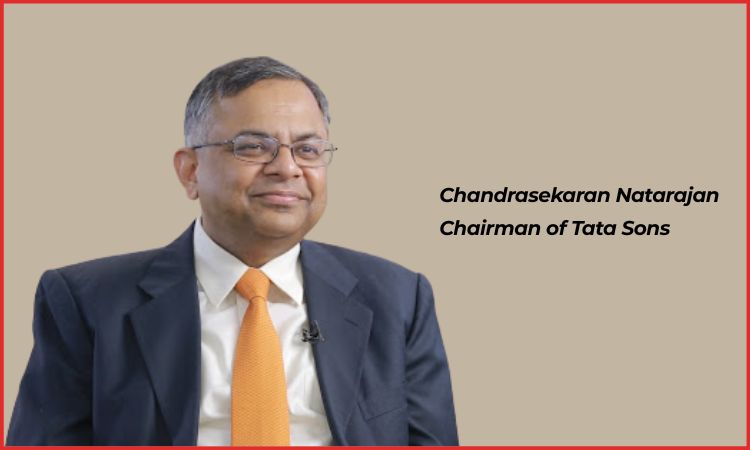
N. Chandrasekaran, Executive Chairman of Tata Sons, is a titan of India’s corporate space & milieu and is a top leader. His total compensation reflects his unique position in the Union and touches every dollar received by his total compensation for leading other Tata group companies and allowing for strategic growth in many areas.
Impacts: Tata has grown and extended and established a global footprint under his leadership and commitment to leveraging and increasing innovation and reputation in the larger scope of that footprint across key sectors, including IT and auto manufacturing.
2. Sandeep Kalra – Persistent Systems
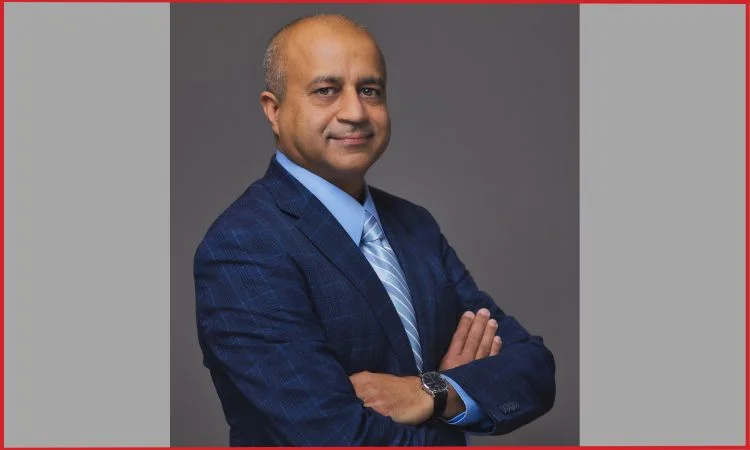
Sandeep Kalra has been instrumental in the transformation of Persistent Systems into one of the fastest-growing digital engineering and AI firms in India.
His leadership has resulted in significant revenue growth and impressive market performance, earning him the title of the highest-paid professional CEO in India.
A substantial portion of his compensation is derived from stock-based incentives.
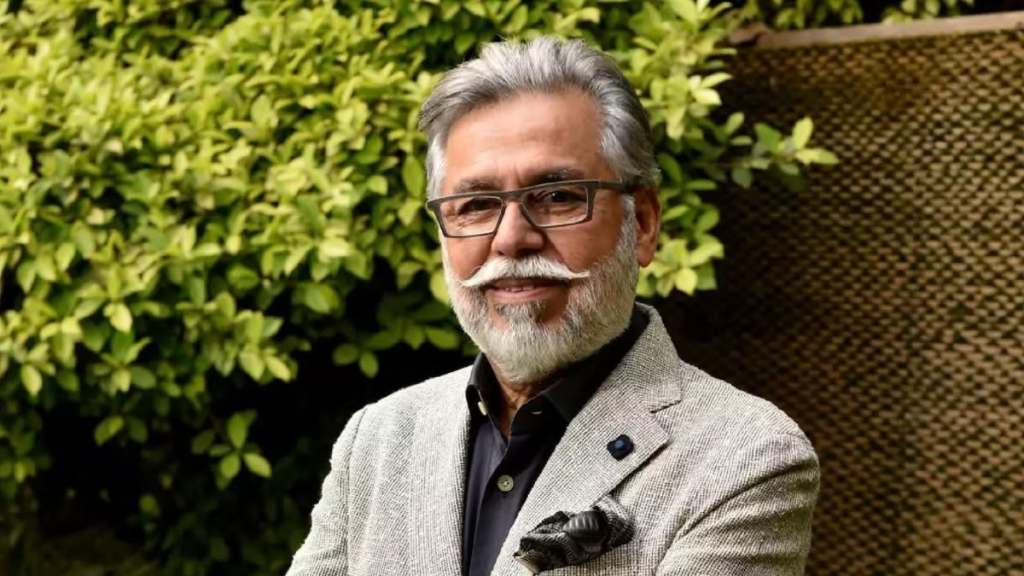
3. Pawan Munjal – Hero MotoCorp
Source: jagranjosh
Pawan Munjal, the Chairman, Managing Director & CEO of Hero MotoCorp, is a renowned leader in India’s automotive sector. His prescribed compensation takes into consideration his role in navigating Hero MotoCorp, India’s largest two-wheeler company, into respect globally and developing sustainable growth domestically and internationally.
Impacts: Under Munjal’s leadership, Hero MotoCorp has solidified its market leadership in motorcycles and scooters, broadened its presence internationally, and invested in the innovation of electric mobility. His strategic practice of developing the company’s research and development and establishing partnerships has molded Hero MotoCorp into one of the leading players in the transition to more sustainable transportation solutions.
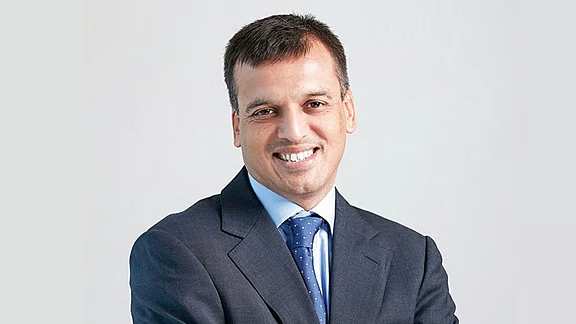
4. Rajeev Jain – Bajaj Finance
Source: freepressjournal
Rajeev Jain is a significant player in the NBFC space. He has been leading the lending and financial services in Bajaj Finance and generating growth.
Impact: Innovative product offerings and good risk management practices allowed the company to gain customer confidence and spur Bajaj’s growth.
5. C. Vijayakumar – HCLTech
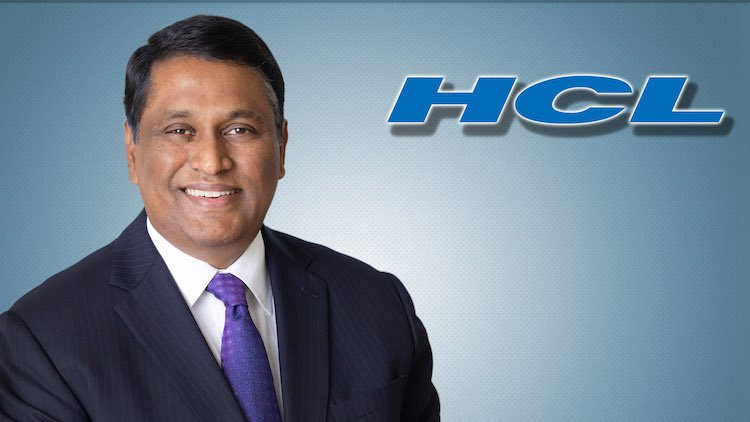
C. Vijayakumar, commonly referred to as CVK, has significantly reinforced HCL Technologies’ standing in cloud computing, artificial intelligence, and digital services. His compensation is a reflection of the company’s steady performance in a fiercely competitive IT landscape.
6. Murali K. Divi – Divi’s Laboratories
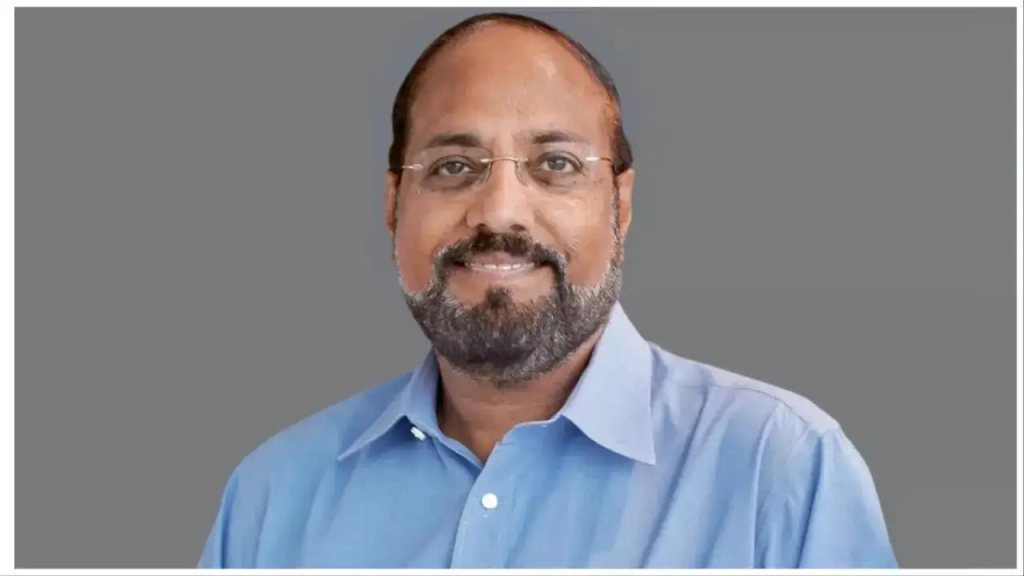
Murali K. Divi, the Executive Chairman & Managing Director of Divi’s Laboratories, is one of India’s pre-eminent leaders in the pharmaceutical and chemical industry. His compensation reflects the value he has provided through the innovation, operational efficiency and strategy for expansion in the domestic and international domains.
Impacts: Under Divi’s leadership, the company has internationalized its operations, expanded its product line, and sustained quality standards. Divi has created a culture of innovation, science and technology, and sustainability in growing the overall business, one of India’s largest exporters of active pharmaceutical ingredients (APIs) and custom synthesis services.
7. Salil Parekh – Infosys
Source: business-standard
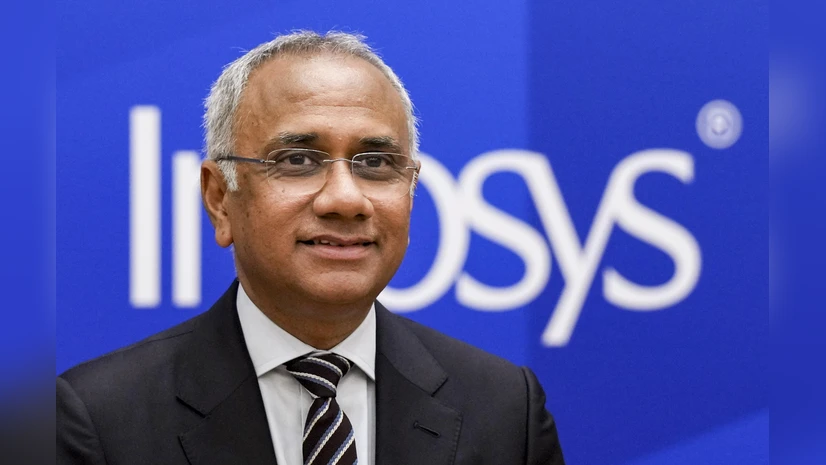
Salil Parekh has been CEO of Infosys since 2018. He has taken care of the digital transformation of Infosys with delayering the organization, Cloud Computing and next-gen IT products.
Impact: Infosys is still a benchmark in IT Service globally and continues to develop the best available products in the world.
8. S. N. Subrahmanyan – Larsen & Toubro (L&T)
Source: microsoft
S. N. Subrahmanyan is the CEO & Managing Director of Larsen & Toubro. He is an icon in the engineering and infrastructure spaces in India. His total compensation reflects his leadership and the success he has had in leading L&T on its transformation from India’s largest and most diversified corporation with capabilities in engineering, construction, manufacturing, and technology services.
Impacts: Apart from driving an expansion into high-value segments such as renewable energy, smart infrastructure, and digital solutions, Subrahmanyan’s foresight has strengthened project delivery capabilities, developed international collaborations, and positioned L&T as a global engineering benchmark for project delivery.
9. Vinay Prakash – Adani Enterprises
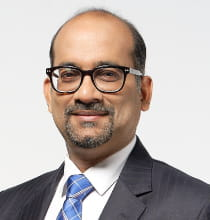
Vinay Prakash serves as the Chief Executive Officer of Adani Enterprises and is known for being a visionary leader within India’s infrastructure and diversified business sector. His level of compensation is commensurate with his responsibility for managing various business verticals and advancing strategic growth in several key sectors energy, logistics, and urban infrastructure.
Impacts: Under Mr. Prakash’s leadership, Adani Enterprises has enhanced operations domestically and globally, implemented contemporary infrastructure solutions and efficiencies in operations, and emphasized sustainability combined with the advanced use of technology and execution of larger scale projects. This has further established Adani’s position as one of the most prominent conglomerates in India.
10. Rajiv Bajaj – Bajaj Auto
Source: adda247
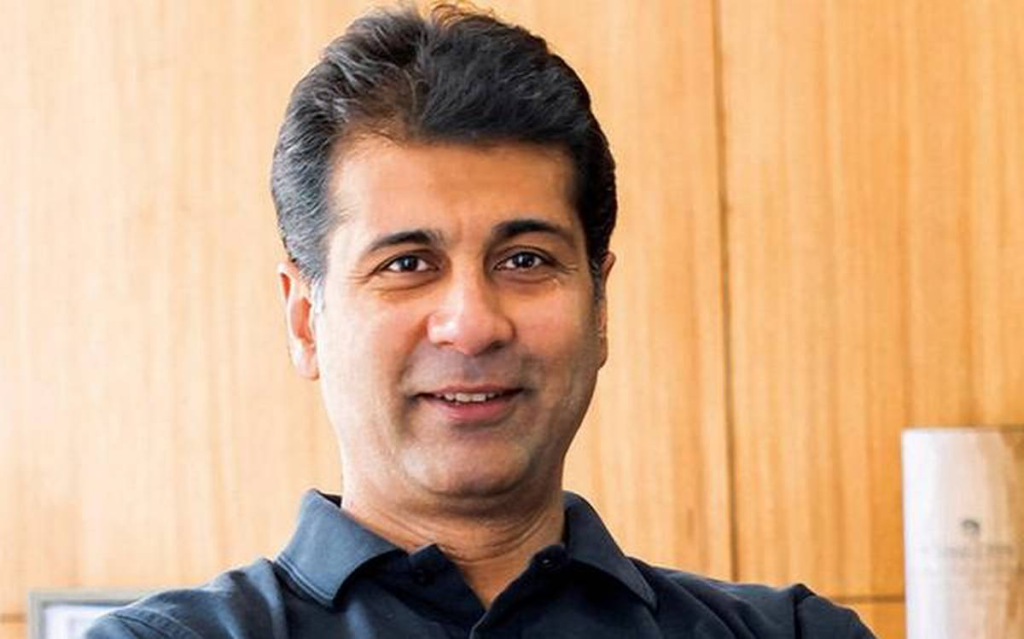
Rajiv Bajaj has been critical in helping Bajaj Auto grow into a substantial player within India’s two-wheeler space.
Impact: Bajaj has gained brand and market share with product execution such as the Pulsar.
11. Mohit Joshi – Tech Mahindra
Source: marketsmojo
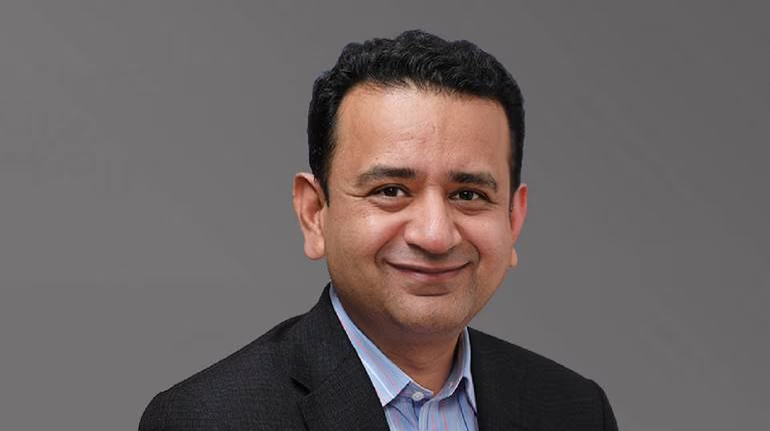
Mohit Joshi increased the business growth of Tech Mahindra in the digital transformation, IT Consulting and tech solutions areas.
Impact: His vision firmly positioned Tech Mahindra for growth in what is increasingly a competitive, global marketplace for IT related services and consulting.
12. Srinivas Pallia – Wipro
Source: financialexpress
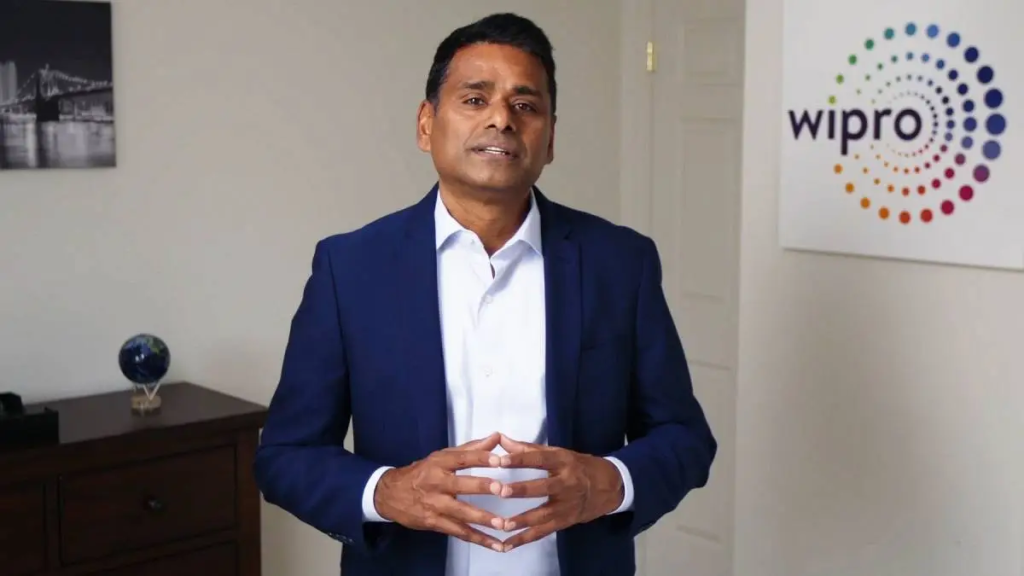
Srinivas Pallia joined Wipro in 1992 and made his way through the ranks to key positions in consumer business, application services, and Americas operations before becoming CEO & MD in April 2024. During his tenure, he led Wipro to nearly 19% profit growth in FY25 and rebuilt client relationships in the US and Europe.
Impact: Pallia’s extensive experience within Wipro, combined with the focus on global leadership, allows for stability during a time of executive transition, while enabling Wipro to position itself effectively as a strong competitor in IT services globally.
13. Nitin Rakesh – Mphasis
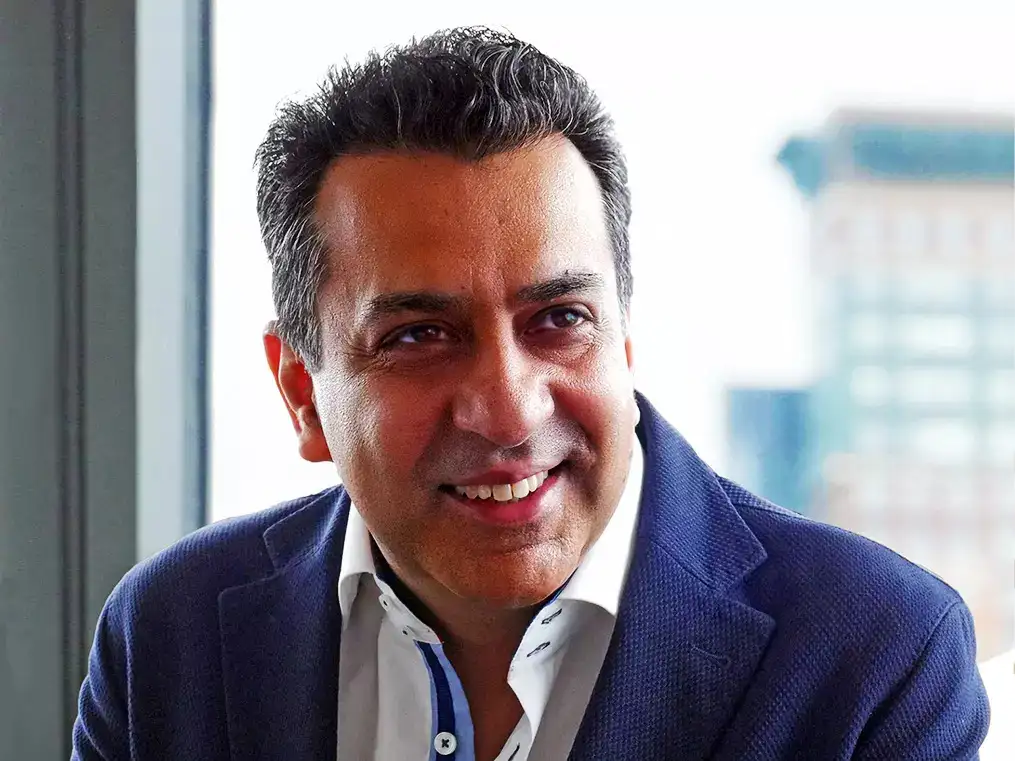
Nitin Rakesh launched Mphasis Sparkles, an innovation lab that connects startups with enterprises.
Impact: Rakesh has been able to lead Mphasis strongly within his tenure as CEO, while also able to implement new technology and services for its customers, thus enabling more value delivery for every client.
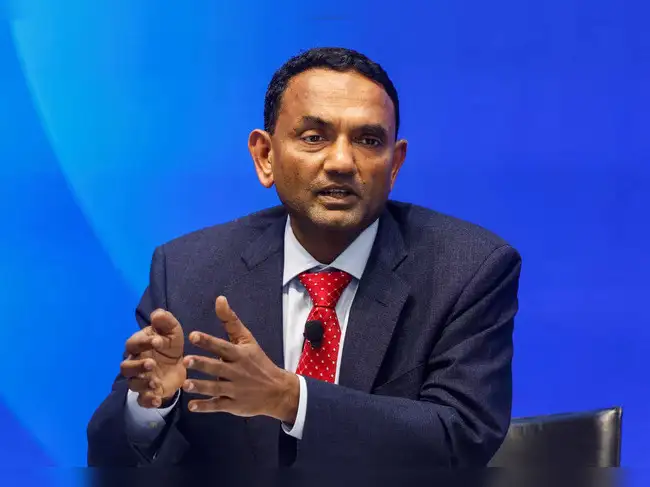
14. K. Krithivasan – Tata Consultancy Services
Source: economictimes.indiatimes
K. Krithivasan is the Chief Executive Officer of TCS which is a multinational IT services company.
Impact: The revenue and international growth TCS continues to experience are attributable to K. Krithivasan.
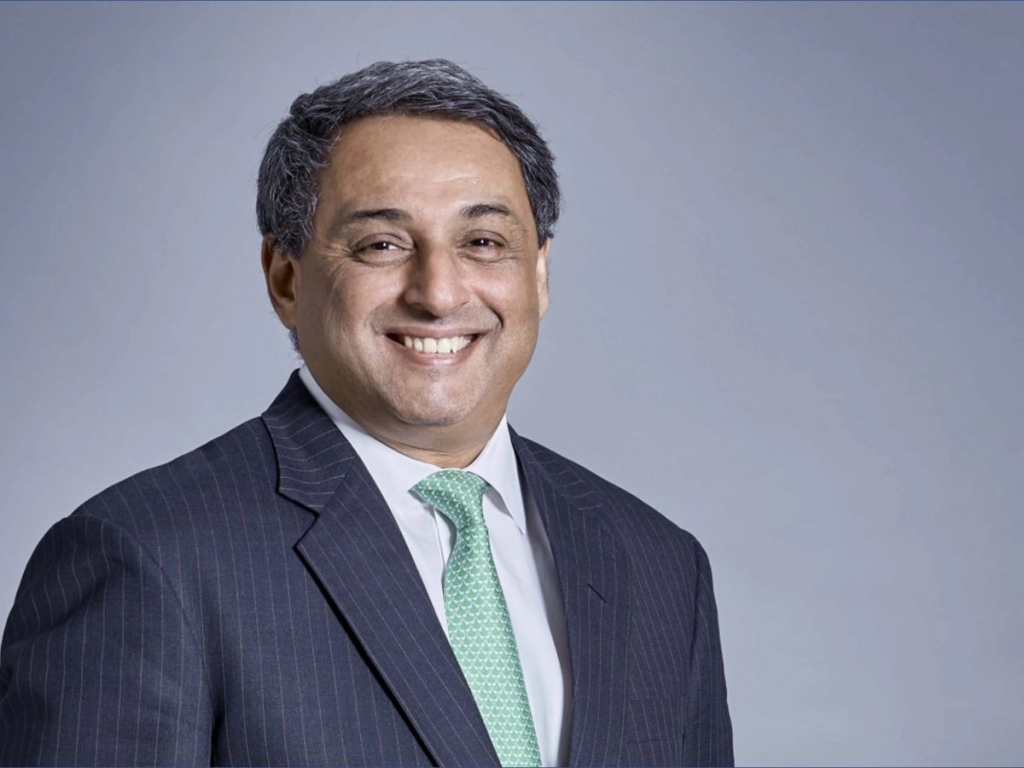
15. T.V. Narendran – Tata Steel
Source: manufacturingtodayindia
T.V. Narendran has expanded Tata Steel’s global footprint and capacity.
Impact: Narendran’s vision and leadership are developing solutions that are sustainable, utilizing steel and innovation for sustainability.
Conclusion
Notable Exits in 2026
Former CEO of Wipro, Thierry Delaporte, who once got compensation worth nearly ₹168 crore, is missing from the list. Founder of Zerodha, Nithin Kamath, does not feature because Zerodha still operates as a private limited entity.
Founder vs Professional CEO Pay
If founders of publicly listed companies are taken into consideration, then the ranking changes drastically.
The founder of PB Fintech, Yashish Dahiya, made ₹641.3 crore in the year FY25. Out of this figure, only 0.5% was due to his pay while almost 99.5% was derived from stock options. (PB Fintech FY25 Annual Report)
Co-Founder of PB Fintech Alok Bansal made ₹247.9 crore whereas Gunender Kapur, chairman of Vishal Mega Mart, made ₹598.5 crore.
Sector-Wise CEO Compensation
Different industries reward executives in different ways.
- Consumer (FMCG): Highest median cash compensation at ₹6.0 crore.
- Financial Services: Median cash compensation of ₹4.5 crore.
- Technology (IT): Major IT CEOs earn between ₹80 crore and ₹95 crore in total compensation, with significant equity components.
- Energy and Infrastructure: Lowest median cash compensation at approximately ₹1.1 crore.
IT Sector Trends in FY26
In the top IT companies, the CEO of Infosys, Salil Parekh, earns the maximum salary of ₹82.6 crore. This is followed by the CEO of Wipro, Srinivas Pallia, who earns ₹49.6 crore, and K. Krithivasan, the CEO of Tata Consultancy Services, who earns ₹28.0 crore. Even though Tata Consultancy Services is the biggest IT firm in India in terms of both revenues and profits, it lags behind several other organizations when it comes to compensating its CEO.
CEOs Who Take No Salary
Some of the business executives decide not to take any pay. It has been claimed that Mukesh Ambani from Reliance Industries, Deepinder Goyal from Zomato, and Vikas Oberoi from Oberoi Realty have no salaries. These people earn their money from their stock holdings and stock price appreciation. (Reliance / Zomato / Oberoi Realty FY25 Annual Reports)
India’s corporate compensation statistics reveal a significant reality: executive remuneration has transitioned from being merely an expense for companies to a representation of collective interests. As equity increasingly replaces fixed salaries across various sectors, the connection between leadership choices and shareholder results becomes more pronounced. For investors, regulators, and employees, comprehending the compensation of CEOs is now as crucial as grasping the performance of companies.
FAQs
Why are entrepreneurs paid more than professionals?
Entrepreneurs are mostly rewarded by their share options. For instance, nearly all the FY25 income earned by Yashish Dahiya is from his equity and not through his salary.
Does Sandeep Kalra earn ₹148 crore in cash?
Not really. The aforementioned amount largely comprises the value of shares he has been allotted as part of his stock-based compensation.
Which sector pays CEOs the most in India?
Technology and fintech companies lead in total compensation because of large equity awards. For cash compensation alone, FMCG companies offer the highest median pay.
Do any Indian CEOs work without a salary?
Yes. Some founders, including Mukesh Ambani and Deepinder Goyal, do not take a cash salary and instead rely on gains from their ownership stakes.
FAQs
Q1: How does the overall CEO compensation in India compare to that of CEOs globally?
Companies establishing CEO levels of remuneration will often benchmark with global companies, in particular, in the finance and IT sectors, to manage to retain and attract talent at that level.
Q2: Can High CEO salaries negatively affect employee morale in a company?
Some employees may view high salaries for his/her CEO as part of the compensation gap; however, most companies will view the total compensation of the CEO and which will be from structured or performance-based executive compensation plans, as well as employee benefits plans to diminish any discontent from low employee morale.
Q3: Is my CEO’s salary subject to taxes in India?
Yes, all marginal income of my CEO’s salary will be taxed as income tax in India, as well as any surcharges and cess that may apply.
Q4: How often is the total compensation reviewed on the CEO’s compensation?
The CEO’s compensation will usually be reviewed at least once a year by the board, based on company performance, market circumstances and any long-term strategic goals.