PharmEasy is one of India’s leading digital healthcare companies, driving the country’s digital healthcare revolution. By 2026, the company had evolved from an online pharmacy into a broader healthcare ecosystem spanning diagnostics, B2B drug distribution, healthcare supply chains, and preventive healthcare. After growing rapidly in its early years, the company’s focus has shifted from growth to profitability, making its business model an interesting case study for entrepreneurs and investors.
Company Overview
Founded in 2015, PharmEasy was established by Dharmil Sheth and Dhaval Shah with the goal of using digital technology to improve healthcare accessibility.
Currently, the company operates under API Holdings. It mainly provides online pharmacy, diagnostic services, healthcare procurement, and medicine distribution services. Its diversified business portfolio reduces dependence on a single revenue stream while creating additional growth opportunities.
How PharmEasy Works
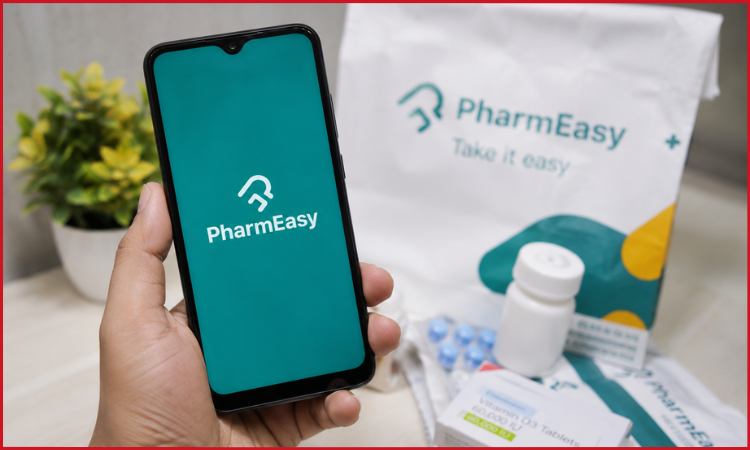
PharmEasy connects customers with licensed pharmacies and diagnostic services through its website and mobile app.
Digital Healthcare Platform
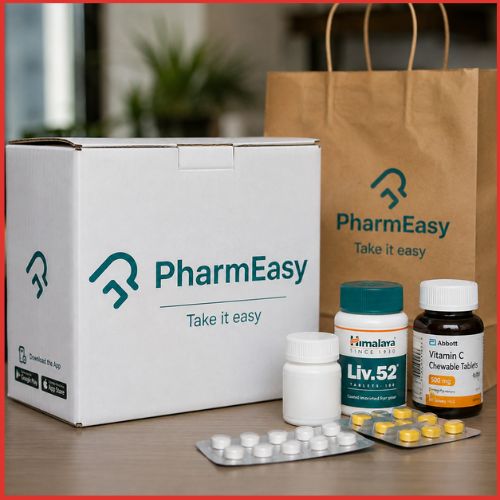
Users can purchase medicines, upload prescriptions, book diagnostic tests, and receive medicines at their doorstep through the platform.
Integrated Healthcare Ecosystem
These business units include medicine delivery, Thyrocare’s diagnostic network, and Aknamed’s hospital procurement platform. It caters to consumers as well as healthcare institutions.
PharmEasy Business Model
PharmEasy follows a platform-based business model for the healthcare sector with diversified revenue streams.
By combining diagnostics, B2B healthcare, supply chain services, and other value-added offerings, the company increases customer lifetime value while generating recurring revenue beyond medicine sales. In FY26, the company focused on margin expansion, cost optimization, and improving operational efficiency.
PharmEasy’s Value Proposition
PharmEasy creates value for consumers, healthcare institutions, and pharmaceutical companies through an integrated healthcare platform.
For Customers
- Convenient online medicine ordering
- Home delivery
- Diagnostic test booking
- Affordable healthcare products
For Businesses
- Wider customer reach
- Better inventory management
- Efficient hospital procurement
- Digital healthcare infrastructure
This bundled approach enables the company to benefit from long-term network effects while strengthening customer loyalty.
How PharmEasy Makes Money
PharmEasy makes money through multiple healthcare businesses rather than relying on a single source of revenue.
1. Online Medicine Sales
The company generates most of its revenue from medicine sales. PharmEasy primarily earns revenue from margins on prescription medicines, OTC medicines, wellness supplements, and healthcare products.
2. Diagnostic Services
Customers can compare prices, book diagnostic tests, including blood tests and health packages, and schedule home sample collection through the platform. The diagnostics business also encourages repeat purchases and increases customer lifetime value.
3. Thyrocare
Thyrocare has emerged as API Holdings’ strongest profit engine. Improved FY26 revenue and EBITDA were among the key factors behind the group’s positive EBITDA turnaround.
4. B2B Healthcare Distribution
API Holdings supplies medicines and healthcare products to pharmacies, retailers, and healthcare institutions, creating a steady stream of B2B revenue.
5. Healthcare Supply Chain
The company offers digital procurement services to hospitals and other healthcare organizations through Aknamed, expanding from consumer healthcare into enterprise healthcare services.
By FY26, PharmEasy had evolved from an online pharmacy into a comprehensive digital healthcare ecosystem. Its diversified business model, broader healthcare ecosystem, and stronger focus on profitability support its long-term growth.
Customer Segments
PharmEasy serves two primary customer segments. On the retail side, it caters to individual consumers, while on the corporate side, it serves healthcare organizations.
Individual Consumers
Customers purchase prescription medicines, OTC products, health supplements, personal care items, and diagnostic tests through the platform.
Business Customers
Through API Holdings and Aknamed, PharmEasy serves pharmacies, hospitals, clinics, healthcare organizations, and distributors, generating a steady stream of B2B revenue.
Key Partnerships
PharmEasy’s ecosystem is supported by partnerships across the healthcare industry.
Pharmacy & Diagnostics
The company partners with licensed pharmacies and leverages Thyrocare’s pan-India diagnostic and sample collection network.
Healthcare & Technology Partners
PharmEasy also works with manufacturers, logistics partners, payment providers, insurers, and technology vendors to deliver healthcare services at scale.
Technology and Logistics
PharmEasy leverages technology to reach patients across India more efficiently, enabling it to deliver accessible healthcare services.
The platform uses AI to forecast demand, manage inventory, verify prescriptions, and optimize delivery routes. Together with its warehouses, fulfillment centers, and delivery partners, PharmEasy ensures faster medicine deliveries while integrating pharmacy, diagnostics, and B2B healthcare services into a single platform.
Funding History
PharmEasy is among the most well-funded healthtech companies in India.
API Holdings, the parent company of PharmEasy, has secured more than $1 billion in funding from investors including TPG Growth, B Capital Group, Eight Roads Ventures, Temasek, Think Investments, and Prosus.
In 2021, the company filed for a ₹6,250 crore IPO but withdrew the issue in 2022 to focus on profitability. In 2024, API Holdings completed a major rights issue to reduce debt and strengthen its financial position.
Major Acquisitions
API Holdings has made several strategic acquisitions, transforming PharmEasy into a comprehensive healthcare platform.
Medlife
The acquisition of Medlife in 2021 helped PharmEasy expand its customer base, strengthen its logistics network, and increase its market share.
Thyrocare
API Holdings acquired a 66.1% stake in Thyrocare for ₹4,546 crore, significantly strengthening the group’s diagnostics business. Thyrocare remained one of the group’s strongest profit contributors through FY26.
Aknamed
The acquisition of Aknamed expanded PharmEasy’s enterprise offerings to include hospital procurement and healthcare supply chain management.
Financial Performance in FY26
FY26 marked a significant inflection point for PharmEasy.
API Holdings reported consolidated revenue of approximately ₹6,869 crore and achieved positive EBITDA after years of losses. Stronger cost controls, improved unit economics, and lower debt helped strengthen the company’s financial position.
Profitability Turnaround
One of PharmEasy’s biggest achievements in FY26 was its progress toward sustainable profitability.
Key drivers include:
- Cost optimization
- Strong Thyrocare performance
- Better inventory management
- Improved operational efficiency
- Growing B2B healthcare business
- Lower debt and financing costs
This reflects the company’s transition from a high-growth startup to a financially disciplined healthcare enterprise.
Challenges
However, PharmEasy continues to face several industry-wide challenges.
- Rising competition from Tata 1mg, Apollo 24|7, Netmeds, and Amazon Pharmacy
- Changes in regulations governing online pharmacies
- Maintaining competitive pricing while preserving profitability
- Managing multiple healthcare business segments simultaneously
Competitor Analysis
| Company | Key Strength |
| Tata 1mg | Integrated healthcare ecosystem backed by the Tata Group |
| Apollo 24|7 | Extensive hospital network and digital healthcare services |
| Netmeds | Reliance-backed online pharmacy platform |
| Amazon Pharmacy | Strong logistics network and Prime ecosystem |
Future Outlook
PharmEasy is transitioning from rapid growth to sustainable development.
With positive EBITDA, disciplined financial management, expanding B2B healthcare offerings, and the continued growth of Thyrocare, the company is well positioned to benefit from India’s increasing adoption of digital healthcare.
Conclusion
PharmEasy has evolved from an online pharmacy into a diversified digital healthcare platform.
Its integrated business model, strategic acquisitions, and renewed focus on profitability position the company for long-term growth while reinforcing its leadership in India’s healthtech sector.
Frequently Asked Questions (FAQs)
1. What is PharmEasy’s business model?
PharmEasy generates revenue through online pharmacy, diagnostics, B2B healthcare, and healthcare supply chain services.
2. How does PharmEasy make money?
Major revenue sources include medicine sales, Thyrocare diagnostics, B2B pharmaceutical distribution, and hospital procurement.
3. Is PharmEasy profitable in 2026?
API Holdings achieved positive EBITDA in FY26 through stronger cost controls, improved operational efficiency, and better performance from its diagnostics business.
4. Who are PharmEasy’s main competitors?
PharmEasy’s major competitors include Tata 1mg, Apollo 24|7, Netmeds, and Amazon Pharmacy.
5. What is PharmEasy’s future strategy?
The company aims to expand its healthcare ecosystem through technology, diagnostics, and B2B healthcare while continuing to improve profitability.