Starting a business in a village is no longer limited to traditional farming or running a small shop. With improved internet connectivity, government support, and rising demand for rural products and services, villagers now have access to a wide range of profitable business opportunities. Many village businesses require low investment, generate steady income, and offer long-term growth potential.
Whether you’re a farmer looking to increase your income, a young entrepreneur exploring business opportunities, or someone planning to return to your hometown, choosing the right business can make all the difference. Here are some of the most profitable business ideas that are well suited to rural India.
In this article, we’ll explore the top 10 village business ideas with low investment and high profit potential in India for 2026.
We’ll also cover the market potential, investment requirements, revenue opportunities, challenges, and future growth prospects of each business idea.
1. Organic Farming & Direct-to-Consumer Sales
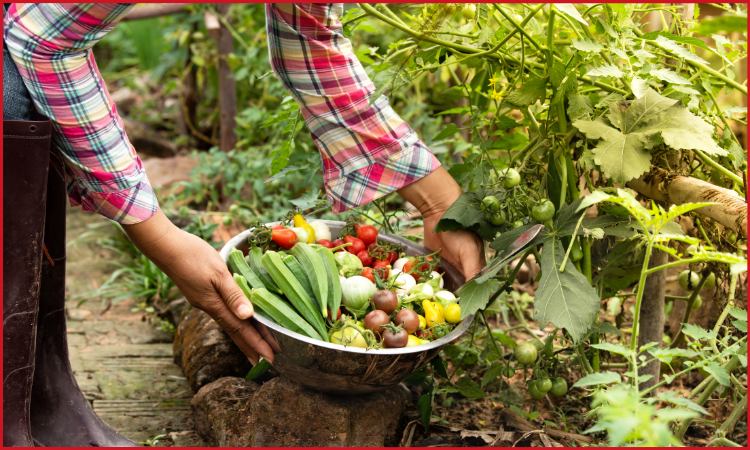
Organic farming has emerged as one of the fastest-growing rural businesses due to rising demand for chemical-free fruits, vegetables, spices, and grains.
To encourage chemical-free farming methods, the government has introduced various initiatives that promote natural farming and organic cultivation.
As a result, it has become one of the most promising long-term business opportunities in rural India.
Thousands of farmers have benefited from schemes such as Paramparagat Krishi Vikas Yojana (PKVY) and the National Mission on Natural Farming.
Growing consumer awareness of healthy food, along with increasing demand from restaurants, supermarkets, and premium grocery stores, has steadily expanded the market for certified organic produce.
Investment Requirements
Starting an organic farm typically involves investment in:
- Organic seeds
- Compost and vermicompost
- Drip irrigation systems
- Farm tools and equipment
- Packaging materials
- Transportation
- Organic certification
Revenue Opportunities
Organic farmers can generate income through multiple channels, including:
- Fresh fruits and vegetables
- Organic spices
- Millet flour
- Herbal teas
- Pickles
- Nursery plants
- Seed production
Selling directly to customers through farmers’ markets, WhatsApp groups, Farmer Producer Organizations (FPOs), and online platforms helps reduce dependence on middlemen and improve profit margins.
Challenges
- Organic farming often demands a lot of patience.
- Crop yields may decline during the transition period, organic certification can take time, and finding reliable buyers may initially be challenging.
- Weather conditions can also significantly affect production and profitability.
2. Dairy Farming
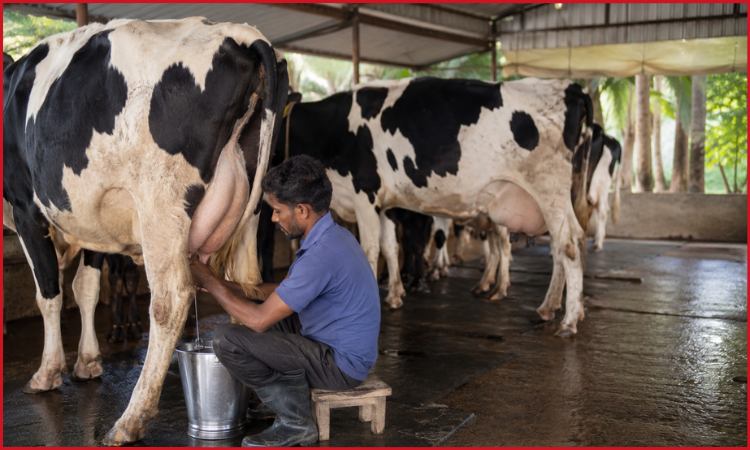
Dairy farming has long been one of the most sustainable village businesses because milk is in demand every day. India remains the world’s largest milk producer, supported by consistent demand from households, restaurants, sweet shops, hotels, and the food processing industry.
Government initiatives for animal husbandry, improved veterinary infrastructure, dairy cooperatives, and entrepreneurship schemes continue to support dairy farming as a reliable source of income for rural households.
Initial Investment
The primary expenses include:
- Purchasing cows or buffaloes
- Animal sheds
- Feeding equipment
- Milking machines
- Water facilities
- Veterinary care
Income Sources
Dairy entrepreneurs can earn from:
- Fresh milk
- Curd
- Paneer
- Butter
- Ghee
- Cow manure for organic fertilizer or biogas production.
Producing value-added dairy products generally offers higher profit margins than selling raw milk alone.
Risks
- Feed costs, livestock diseases, veterinary expenses, and seasonal fluctuations in milk production can all affect profitability.
- Proper vaccination and effective farm management can help reduce these risks.
3. Poultry Farming
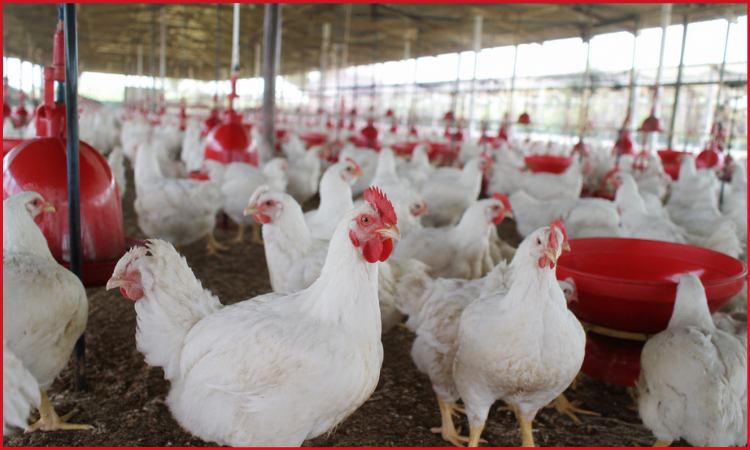
Poultry farming is one of India’s fastest-growing livestock businesses, driven by increasing demand for eggs and chicken. Rising protein consumption, the expansion of restaurant chains, and the growth of the retail sector continue to fuel this market.
Business Models (Investment and Market Potential): Entrepreneurs can choose from different business models, including broiler farming, layer farming, backyard poultry, and hatcheries. The right model depends on the available investment and local market demand.
Startup Requirements
A poultry farm generally requires:
- Poultry shed
- Chicks
- Feed
- Vaccination
- Water systems
- Electricity
Revenue Streams
Income can come from:
- Chicken meat
- Eggs
- Poultry litter
- Organic manure
Potential Challenges
- Disease outbreaks, fluctuating feed prices, temperature management, and changing market prices are some of the key operational risks.
- Proper vaccination and efficient farm management can significantly reduce these risks.
4. Flour Mill (Atta Chakki)
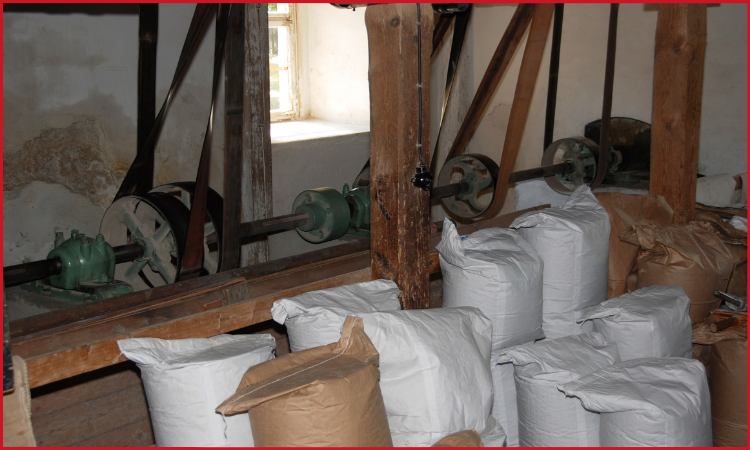
A flour mill is one of the most practical village businesses because there is consistent demand for grinding wheat, rice, millets, and spices into flour. This creates a steady flow of repeat customers.
Compared to many manufacturing businesses, a small flour mill is relatively easy to operate and can gradually expand into selling branded packaged flour.
Investment Needs
Starting a flour mill typically involves:
- Flour milling machine
- Commercial space
- Three-phase electricity connection (where required)
- Weighing machine
- Storage containers
- Packaging materials
Revenue Opportunities
Business owners can earn through:
- Wheat flour
- Rice flour
- Millet flour
- Spice grinding
- Custom grain processing
Business Advantages
- A flour mill benefits from repeat customers, relatively low inventory requirements, and simple day-to-day operations.
- As the customer base grows, the business can expand into branded flour products and home delivery services to generate additional revenue.
5. Kirana Store with Digital Services
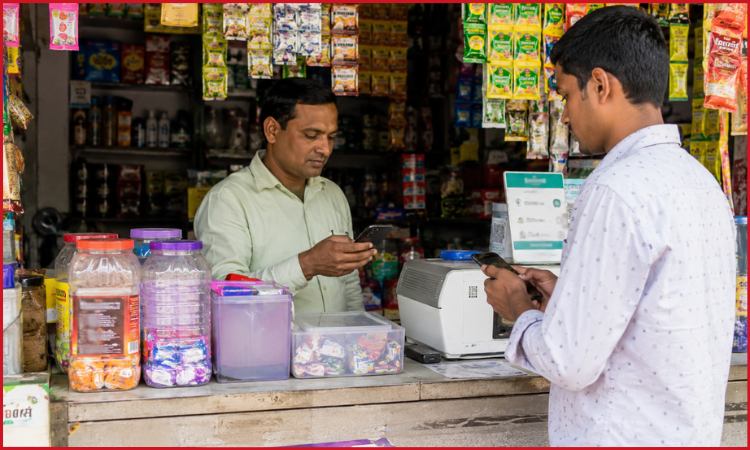
While traditional kirana stores continue to meet the daily needs of village communities, many successful shopkeepers are now expanding their businesses by offering digital services such as UPI payments, mobile recharges, Aadhaar-enabled banking, bill payments, and money transfers.
This combination of grocery retail and digital services creates multiple income streams while making the store an essential service hub for the local community. With a relatively low investment, the business can attract regular customer footfall throughout the day.
Products and Services
A modern village kirana store can offer:
- Groceries
- Household essentials
- Personal care products
- Mobile and DTH recharge
- Electricity bill payments
- Mini ATM services
- UPI transactions
- Stationery items
Revenue Sources
Income is generated through:
- Grocery sales
- FMCG products
- Digital service commissions
- Banking transactions
- Seasonal products
Growth Opportunities
Entrepreneurs can further expand the business by introducing WhatsApp ordering, home delivery, selling locally sourced products, and partnering with e-commerce platforms. These additional activities increase convenience for customers and can boost margins accordingly.
6. Mobile Repair & Accessories Shop
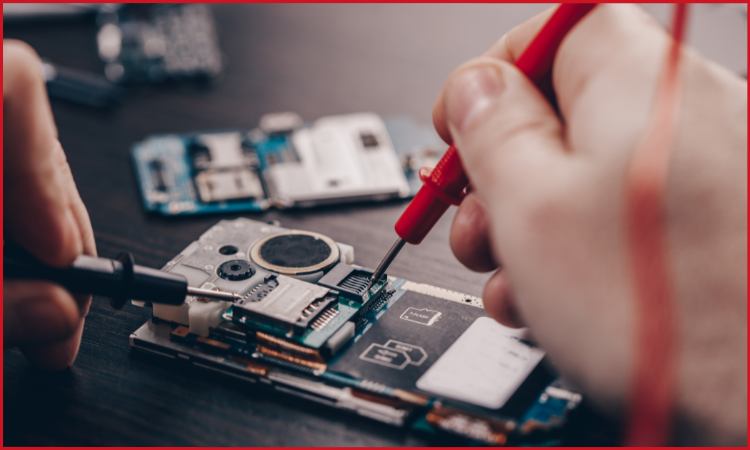
With smartphone adoption increasing rapidly across rural India, the demand for mobile repair services has grown significantly. As smartphones are now widely used for digital payments, online education, government services, and entertainment, quick and affordable repair services have become increasingly important. Since authorized service centres are often unavailable in villages, local mobile repair shops have become the preferred choice for many customers.
Entrepreneurs can also increase their earnings by selling mobile accessories and offering digital services alongside repair work. This business also involves low investment.
Investment Requirements
A small mobile repair shop generally requires:
- Mobile repair toolkit
- Workbench
- Spare parts inventory
- Computer and software tools
- Basic repair training
- Shop space
Many entrepreneurs begin this business with a minimal investment, adding to their stock as customer requirements grow.
Revenue Opportunities
Income can be generated through:
- Screen replacement
- Battery replacement
- Charging port repairs
- Software installation
- Mobile setup and data backup
- Accessory sales
- SIM activation
- Mobile recharge services
- Refurbished phone sales
Growth Potential
Entrepreneurs can further expand their business by offering computer repairs, digital services, CCTV installation, laptop repairs, and printer servicing.
7. Agarbatti Manufacturing
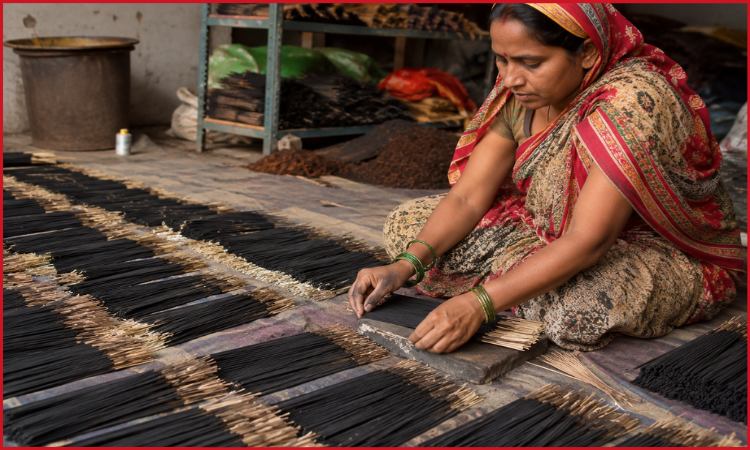
Agarbatti manufacturing is one of the most popular home-based businesses in rural India because incense sticks are used daily in homes, places of worship, and during festivals. This consistent demand throughout the year, combined with low startup costs, makes it a suitable business for self-help groups, women entrepreneurs, and small family-run enterprises.
Raw Materials Required
The primary raw materials include:
- Bamboo sticks
- Charcoal powder
- Jigat powder
- Fragrance oils
- Essential oils
- Packaging materials
Production can begin with manual or semi-automatic machines, while fully automatic equipment is suitable for larger-scale operations.
Revenue Streams
Business owners can supply products to:
- Local retailers
- Wholesale distributors
- Religious institutions
- Supermarkets
- Online marketplaces
- Export buyers
Premium herbal and organic incense sticks can further improve profit margins.
Challenges
Preserving fragrance quality, packaging, and maintaining production standards are essential factors for creating a well-established and trusted brand. In all, there might be stiff competition from other well-established manufacturers, and thus entrepreneurs need to focus on product differentiation and gaining consumer satisfaction.
8. Vermicompost & Organic Fertilizer Business
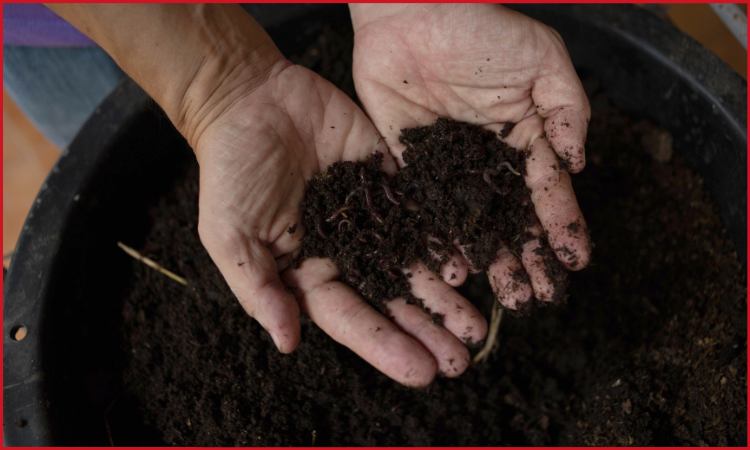
As organic farming continues to grow, the demand for vermicompost and bio-fertilizers has also increased. Many farmers are adopting organic and bio-fertilizers to improve soil health, reduce input costs, and support sustainable farming practices.
Government initiatives promoting natural farming have further strengthened the market for vermicompost, making it a promising long-term rural business opportunity.
Investment Requirements
A small vermicompost unit generally requires:
- Compost beds
- Shade net or shed
- Earthworms
- Water storage
- Sieving equipment
- Packaging bags
- Storage space
Compared to most manufacturing businesses, the initial investment required for a vermicompost unit is relatively low.
Revenue Opportunities
Entrepreneurs can generate income through:
- Vermicompost sales
- Vermiwash (liquid fertilizer)
- Earthworm sales
- Organic manure
- Bulk supply to Farmer Producer Organisations (FPOs)
- Retail garden packs
Future Growth
Demand is expected to continue growing as more farmers adopt sustainable agricultural practices. Branded compost, packaged greenery for nurseries, and organic gardening products will benefit the business.
9. Solar Panel Installation & Maintenance Services
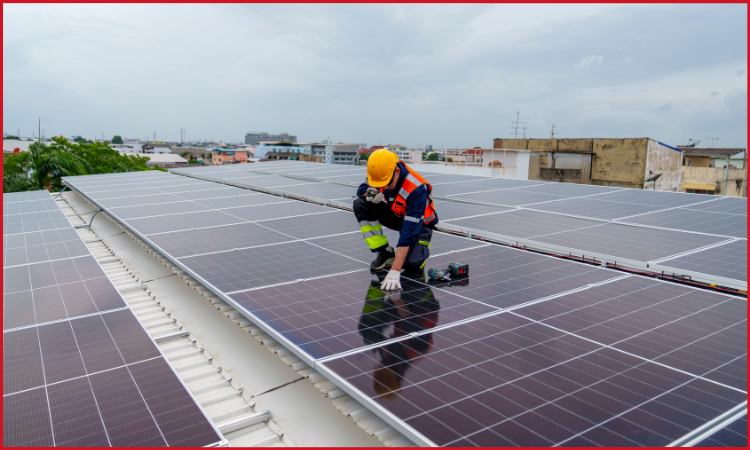
The growing adoption of renewable energy has created new business opportunities for rural entrepreneurs across India. The increasing installation of rooftop solar systems, solar-powered irrigation pumps, and rural electrification projects has generated strong demand for skilled professionals who can install and maintain solar systems.
Government initiatives such as PM Surya Ghar: Muft Bijli Yojana and PM-KUSUM continue to encourage the adoption of solar energy for homes and farms, creating long-term opportunities for service providers.
Skills and Investment
This business requires:
- Electrical tools
- Safety equipment
- Testing instruments
- Transportation
- Technical training
- Installation expertise
Solar services businesses usually need less investment than manufacturing businesses.
Revenue Sources
Income can be earned from:
- Solar panel installation
- Annual maintenance contracts
- Panel cleaning
- Inverter servicing
- Battery replacement
- Solar water pump installation
Business Opportunities
As India’s renewable energy sector continues to expand, entrepreneurs can diversify into related services such as EV charging infrastructure, battery backup systems, commercial solar projects, and solar street lighting.
10. Food Processing (Pickles, Papad, Masalas & Millet Products)
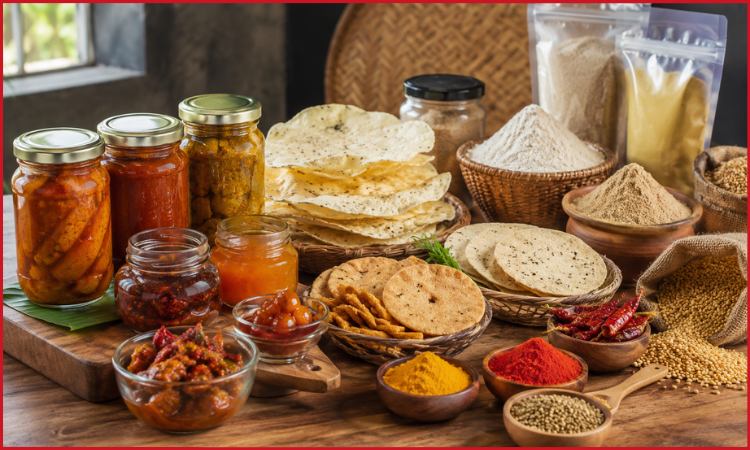
Food processing is one of the most profitable businesses in village because it adds value to locally grown agricultural produce. Instead of selling raw crops at lower prices, entrepreneurs can process, package, and brand their own food products to achieve higher profit margins.
The demand for packaged regional foods, millet-based products, ready-to-cook mixes, and traditional Indian snacks continues to grow, creating significant opportunities for rural entrepreneurs. This makes food processing a promising business for villages across India.
Popular Products
Food processing businesses can manufacture:
- Pickles
- Papad
- Spice powders
- Millet flour
- Ready mixes
- Snacks
- Jams
- Chutneys
- Dehydrated vegetables
Investment Requirements
Initial investment generally covers:
- Processing equipment
- Packaging machines
- Storage facilities
- Raw materials
- Labels
- Working capital
Depending on the scale of operations, businesses may also require FSSAI registration, GST registration where applicable, and other local regulatory approvals.
Revenue Opportunities
Food entrepreneurs can sell through:
- Retail stores
- Wholesale markets
- Supermarkets
- Online marketplaces
- Corporate gifting
- Export channels
A strong brand, attractive packaging, and direct-to-consumer sales can help small businesses compete effectively while achieving better profit margins than bulk wholesale sales.
Why 2026 Is the Best Time to Start a Village Business
There are many reasons 2026 is a perfect year to launch your village idea:
- Government support: Several schemes, including PMEGP, MUDRA, PMFME, PM-KUSUM, and the National Mission on Natural Farming, provide eligible entrepreneurs with financial assistance, training, and subsidies.
- Growing demand for regional products: Organic produce, dairy products, millet-based foods, and locally made products continue to witness rising consumer demand, creating new business opportunities in rural India.
- Improved digital access: Smartphones, WhatsApp Business, UPI payments, and e-commerce platforms are helping village entrepreneurs reach customers beyond their local markets.
- Emerging business opportunities: Government initiatives promoting renewable energy, natural farming, and food processing continue to create opportunities in sectors such as solar services, vermicomposting, and value-added food products.
- Low investment with long-term growth potential: Many village businesses can start on a small scale and gradually expand as customer demand increases.
Conclusion
The landscape of village entrepreneurs is transforming fast. Better infrastructure, connectivity in the digital space, and government initiatives are opening up several clean business opportunities in rural India, such as organic farming, dairy, poultry, food processing, solar services, and so on. Most of these businesses require relatively low investment while offering sustainable income and long-term growth potential.
Before jumping into any business, weigh the local demand, resources, competition, and your capacity to become involved. Select a business that is suited to the needs of your area, and concentrate on providing top-quality products, excellent customer service, and high efficiency. With a lot of planning and perseverance, these village business ideas could lead to a solid business for the would-be entrepreneur.
Frequently Asked Questions (FAQs)
1. Which village business is the most profitable in 2026?
Some of the most profitable village businesses in 2026 include organic farming, dairy farming, food processing, solar panel installation services, and vermicompost production. The right choice depends on your investment budget, local market demand, and skills.
2. What is the best low-investment business to start in a village?
A flour mill, a mobile repair shop, agarbatti manufacturing, vermicompost business, and a kirana store with digital services can be started with relatively low investment while providing a steady source of income.
3. Are there government schemes that support village businesses?
Yes. Depending on the type of their business and qualification, entrepreneurs can avail benefits through programs such as PMEGP, MUDRA, PMFME, PM-KUSUM, National Mission on Natural Farming, etc.
4. Which village businesses have the highest growth potential?
Enterprises in natural farming, food processing, clean energy services, dairy farming, and cyber services are likely to witness a good volume of growth mainly because of rising consumer demand, state support, and growing rural markets.
5. How do I choose the right village business?
Evaluate factors such as local market demand, available resources, initial investment, competition, your skills, and long-term growth potential. Choosing a business that aligns with both your strengths and local demand can significantly improve your chances of long-term success.