Every year, lakhs of NEET aspirants chase a handful of seats at India’s best-known medical institutions, and the gap between hope and reality keeps getting wider. Picking from the top 10 medical colleges in India 2026 is not simply a matter of checking a ranking list and moving on. Fees, hostel life, clinical exposure, faculty strength, research output and long-term career opportunities all shape whether a college is genuinely the right fit for a student. Medical college fees in India can range from a few thousand rupees a year at government institutes to several lakhs annually at private universities, which is exactly why cost deserves as much attention as rank. This guide walks through the leading names in Indian medical education, along with realistic notes on NEET UG admission, fee ranges and the MBBS admission 2026 process, so that students and parents can build a preference list based on facts rather than hearsay.
How We Ranked These Colleges
This list draws on a mix of publicly available indicators rather than a single data point. Reputation and track record in national rankings such as NIRF, clinical exposure through hospital bed strength and patient inflow, research output and faculty credentials, and consistency in NEET UG demand over recent admission cycles were all weighed together. Government medical colleges in India and specialised postgraduate centres were considered separately from private medical colleges in India, since their fee structures, admission routes and objectives differ. When shortlisting the top medical colleges in India, the final selection favours institutions with a long-standing academic reputation and strong clinical training, rather than short-term popularity or marketing visibility.
Quick Glance: Top 10 Medical Colleges in India 2026
Before going into detail, here is a snapshot table of the institutions covered in this article, offering a fast reference to the best medical colleges in India 2026 profiled below.
| Rank | Medical College | Location | MBBS Admission | Fee Level |
| 1 | AIIMS New Delhi | New Delhi | NEET UG + AIIMS counselling | Very Low |
| 2 | Christian Medical College, Vellore | Vellore, Tamil Nadu | NEET UG + CMC selection process | Low to Moderate |
| 3 | JIPMER, Puducherry | Puducherry | NEET UG + JIPMER counselling | Very Low |
| 4 | Institute of Medical Sciences, BHU | Varanasi, Uttar Pradesh | NEET UG + central counselling | Low |
| 5 | NIMHANS, Bengaluru | Bengaluru, Karnataka | No direct MBBS intake (PG/research focus) | Not applicable |
| 6 | SGPGIMS, Lucknow | Lucknow, Uttar Pradesh | No direct MBBS intake (PG/super-speciality focus) | Not applicable |
| 7 | Amrita School of Medicine, Kochi | Kochi, Kerala | NEET UG + Amrita admission process | High |
| 8 | Kasturba Medical College, Manipal | Manipal, Karnataka | NEET UG + Manipal counselling | High |
| 9 | Maulana Azad Medical College, New Delhi | New Delhi | NEET UG + central counselling | Low |
| 10 | King George’s Medical University, Lucknow | Lucknow, Uttar Pradesh | NEET UG + UP state counselling | Low |
A quick clarification before moving further: NIMHANS and SGPGIMS are not conventional MBBS destinations. Both are best known for postgraduate medicine, super-speciality training and research, and they don’t run an MBBS admission pathway comparable to the other institutions on this list. They still feature here because of their standing in Indian medical education and their influence on where NEET-qualified students eventually pursue their postgraduate studies.
Top 10 Medical Colleges in India 2026
1. AIIMS New Delhi
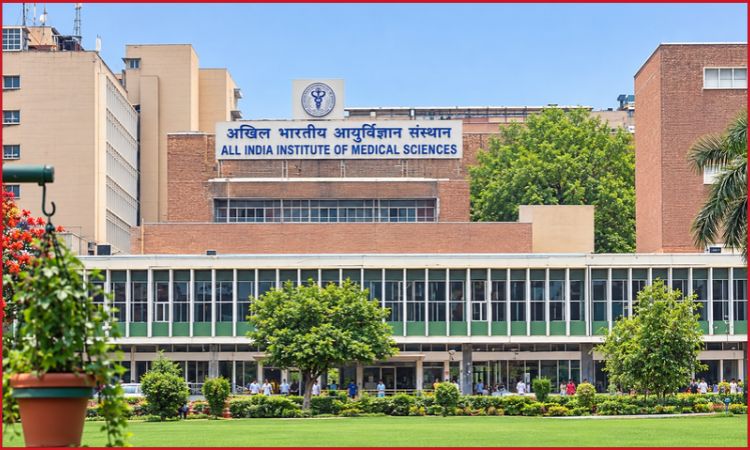
Ask any NEET topper where they’d want a seat, and AIIMS New Delhi comes up first more often than not. It offers MBBS alongside MD, MS, DM, MCh and several nursing and allied health programmes, all built on a public hospital system that handles an enormous patient load every single day.
Admission runs through your NEET UG score followed by AIIMS’ own centralised counselling, and because it’s a fully government-funded institute, MBBS fees stay among the lowest in the country. Cracking it is a different story the cutoff has historically demanded an extremely high All India Rank, and 2026 isn’t likely to be an exception, though the exact figure will only be clear once counselling data comes in. What keeps drawing students back is the sheer clinical volume and a degree that opens doors well beyond India.
2. Christian Medical College, Vellore
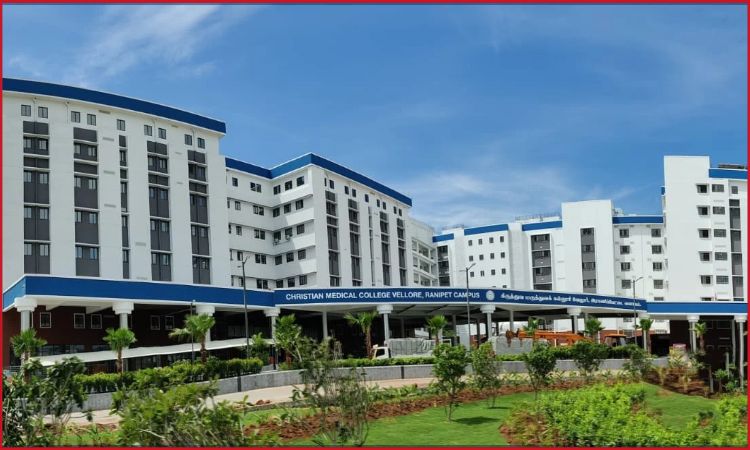
CMC Vellore doesn’t chase headlines the way some newer colleges do, but its 100-plus-year legacy and mission-driven approach to medicine still pull in some of the country’s strongest applicants. MBBS, MD, MS, nursing and allied health sciences are all on offer here.
A NEET UG qualifying score gets you in the door, after which CMC runs its own selection process one that includes weightage for certain community and church-affiliated quotas, a detail many applicants miss until they’re deep into the process. Fees are comparatively reasonable for a private institution, though the exact figure shifts by category. The college’s community medicine focus and hospital infrastructure remain its biggest draws.
3. JIPMER, Puducherry
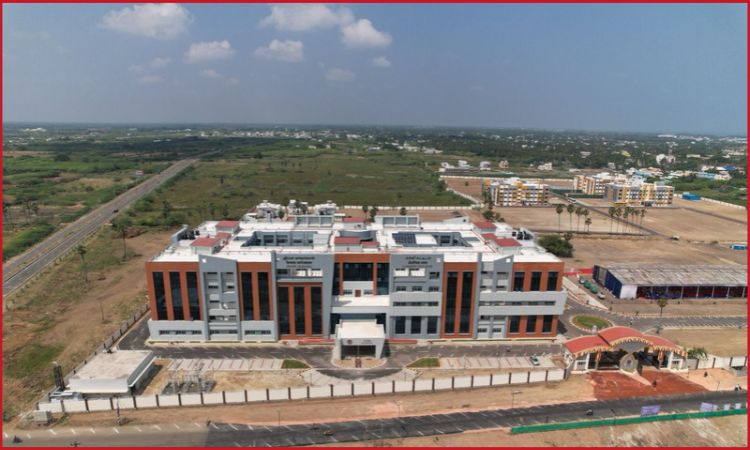
JIPMER sits in the same league as AIIMS when it comes to academic rigour, and it’s run entirely by the central government. MBBS through to DM and MCh, plus nursing, are all part of its offering.
The route in is NEET UG followed by JIPMER’s own centralised counselling round, and fees stay very low, much like other central institutes. Competition for a seat is fierce; category and quota play a big role in where the cutoff lands but the payoff is exposure to some genuinely strong emergency and trauma care units.
4. Institute of Medical Sciences, BHU

Tucked inside Banaras Hindu University’s sprawling campus, IMS-BHU is often the practical first choice for students from Uttar Pradesh and nearby states who want a central-institute education without moving too far from home. MBBS, MD, MS, DM and MCh are all taught here.
Admission works through NEET UG and central counselling, with a State Quota set aside for domicile candidates, and that quota’s cutoff tends to run lower than the All India Quota, which is worth knowing before you rule the college out. Fees stay on the affordable side, and the attached multi-speciality hospital gives students plenty of hands-on exposure early.
5. NIMHANS, Bengaluru
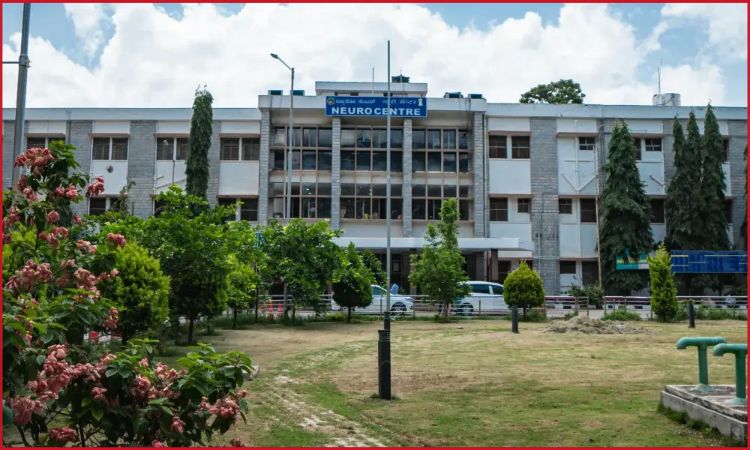
Here’s an important correction to a common assumption: NIMHANS does not offer direct MBBS admission through NEET UG. It’s India’s leading centre for neurosciences and mental health, but its programmes are almost entirely postgraduate and doctoral psychiatry, neurology, neurosurgery and related mental health fields.
Entry happens through postgraduate entrance routes rather than an undergraduate medical admission process, so there’s no MBBS fee structure to speak of. Most NEET UG aspirants encounter NIMHANS later in their careers, once they’ve finished MBBS elsewhere and are eyeing a postgraduate seat in one of its highly regarded specialities.
6. SGPGIMS, Lucknow
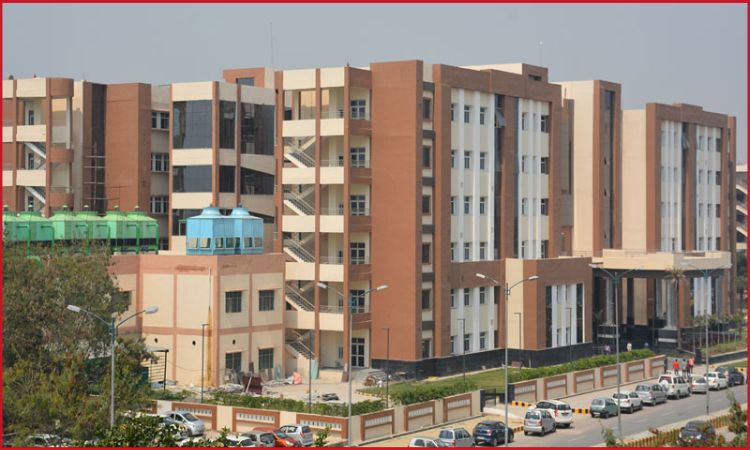
Sanjay Gandhi Postgraduate Institute of Medical Sciences shows up in a lot of searches for medical colleges in India, but like NIMHANS, it isn’t an MBBS destination. Its strength lies in super-speciality postgraduate and doctoral programmes such as DM and MCh, along with select fellowships.
There’s no conventional MBBS admission pathway here; entry is through postgraduate-level entrance exams instead. What makes SGPGIMS worth knowing about, even at the MBBS-planning stage, is its advanced organ transplant and super-speciality units, which many students set their sights on years down the line.
7. Amrita School of Medicine, Kochi
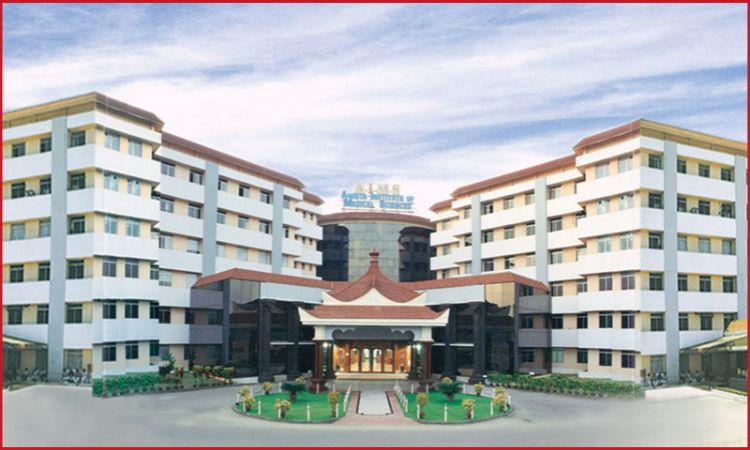
Amrita School of Medicine represents the newer wave of private medical education heavy investment in infrastructure, simulation-based teaching, and a genuinely modern hospital campus backing it all up. MBBS, MD, MS and select super-speciality programmes are on the table.
A NEET UG score gets you into Amrita’s own admission and counselling process, and fees run on the higher side, as is typical for a well-resourced private college. The cutoff is competitive but generally more approachable than the government institutes at the top of this list, which makes it a realistic fallback for students who don’t quite make a government cut.
8. Kasturba Medical College, Manipal
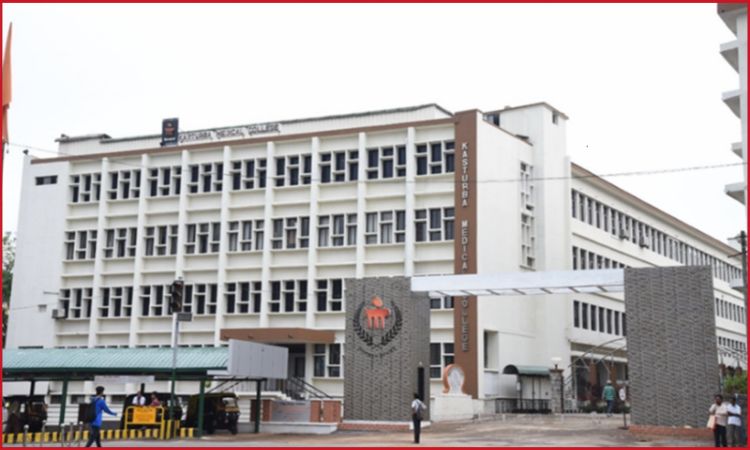
KMC Manipal has been around long enough to be considered an institution in its own right it’s part of the well-known Manipal Academy of Higher Education group and one of India’s oldest private medical colleges. Courses span MBBS, MD, MS and several super-speciality and allied health programmes.
NEET UG scores feed into Manipal’s own counselling and seat allotment process, and fees are high, in line with most established private colleges. What sets KMC apart is scale: a large multi-campus hospital network and a notably international student body, plus fairly flexible NRI and management quota options for those who can afford them.
9. Maulana Azad Medical College, New Delhi
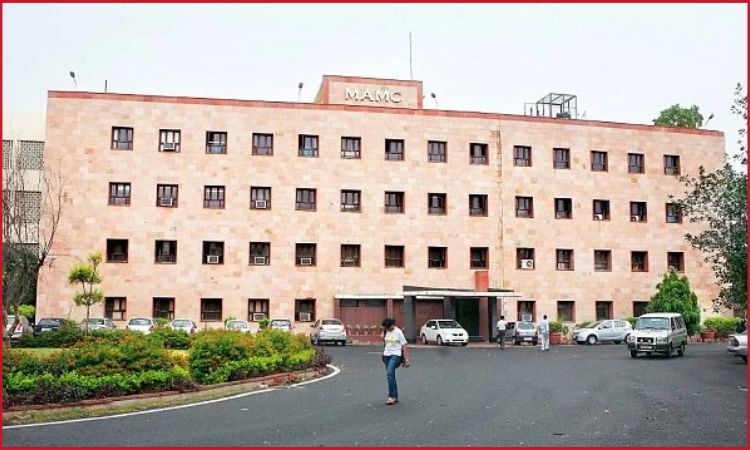
MAMC is one of Delhi’s steadiest government medical colleges, consistently near the top of the list for students chasing an affordable, well-connected MBBS seat. MBBS, MD, MS and a handful of diploma courses round out its offerings.
NEET UG feeds into central counselling under the Delhi/Central quota system, and fees stay low, as with most government colleges. Delhi’s central location and MAMC’s ties to large government hospitals with heavy patient turnover keep the cutoff highly competitive year after year.
10. King George’s Medical University, Lucknow
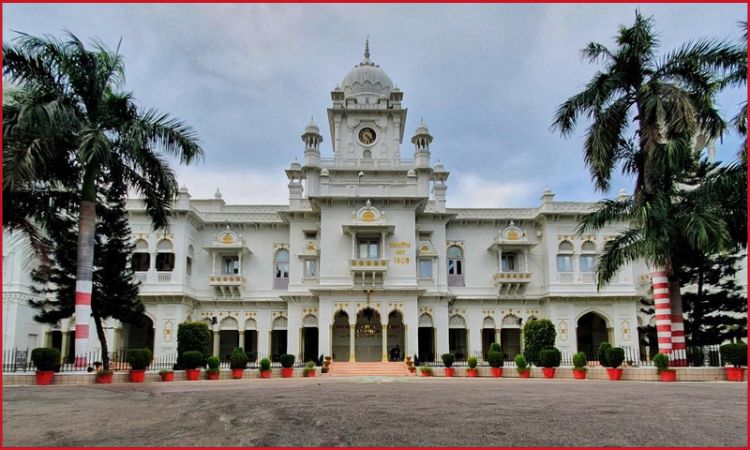
KGMU is one of Uttar Pradesh’s oldest medical institutions and still one of its most trusted, offering both undergraduate and postgraduate medical education under one roof. Its course list runs from MBBS through MD, MS, DM and MCh, plus nursing and paramedical programmes.
Admission works through NEET UG and Uttar Pradesh’s state counselling process, alongside a limited All India Quota intake, and fees remain low as a state-run university. Cutoffs within the UP State Quota vary quite a bit by category, but KGMU’s large patient base and broad range of postgraduate specialities keep it firmly on most UP students’ preference lists.
Government vs Private Medical Colleges
Understanding the trade-offs between government medical colleges in India and private medical colleges in India is often the deciding factor for families weighing an MBBS admission 2026 preference list.
| Factor | Government Medical College | Private Medical College |
| Fees | Significantly lower, often subsidised | Considerably higher, especially in management/NRI quota |
| Competition | Extremely high, especially for top-ranked colleges | Comparatively lower, though top private colleges remain competitive |
| Clinical Exposure | Very high due to large patient inflow | Varies by institution; newer colleges may have lower patient volume |
| Infrastructure | Strong in established institutes, though ageing in some | Often modern, with newer equipment and campuses |
| ROI | Very high given the low fee investment | Lower, since tuition costs are significantly higher |
| Admission | Based purely on NEET UG rank and quota | NEET UG rank plus institutional counselling, sometimes with management seats |
Government colleges usually win on long-term value the fees are low enough that the return on investment is hard to beat, and the clinical exposure starts from day one. Private colleges make up for the higher cost with newer infrastructure and, in many cases, a slightly more forgiving admission bar. Which one makes sense really comes down to a student’s rank, budget and how comfortable they are settling into a particular city or state for five-plus years.
Conclusion
There’s no shortcut here. Shortlisting from the top 10 medical colleges in India 2026 works best when rank, fees, clinical exposure, infrastructure, location and long-term career goals are all weighed together, rather than chasing whichever ranking list happens to show up first in a search. NEET cutoffs, fee structures and admission policies can all shift from one academic year to the next, so it’s worth double-checking the latest official notifications from NTA, MCC and individual colleges before locking in a final preference list for MBBS admission 2026.
Frequently Asked Questions
1. Which exam is required for MBBS admission in India?
NEET UG. It’s the mandatory entrance examination for MBBS admission across almost every medical college in the country, government or private.
2. Which medical college has the lowest fees in India?
Central and state government colleges AIIMS and JIPMER among them generally charge the lowest MBBS fees in India.
3. What NEET score is required for a top medical college?
There isn’t a fixed number. It depends on the college, category, quota and how tough that year’s paper was. For somewhere like AIIMS Delhi, expect to need a very high All India Rank.
4. Is AIIMS Delhi difficult to get into?
Yes, it’s one of the most competitive medical colleges in India, and it demands an exceptionally strong NEET UG rank.
5. Can I get an MBBS seat with only the NEET qualifying score?
Qualifying NEET UG only makes you eligible for counselling it doesn’t guarantee a seat. That comes down to your rank, category, available seats and quota.