Less than a week ago, Nvidia’s board was looking for a new chief executive. On Monday, November 23, it brought back the man it had decided not to reinstate.
Jensen Huang is once again running Nvidia after the company’s directors unanimously voted in favour of his return. The decision followed a series of discussions with the founder and assurances from senior US government officials over national security concerns.
US President Donald Trump also confirmed that he had personally spoken to the board.
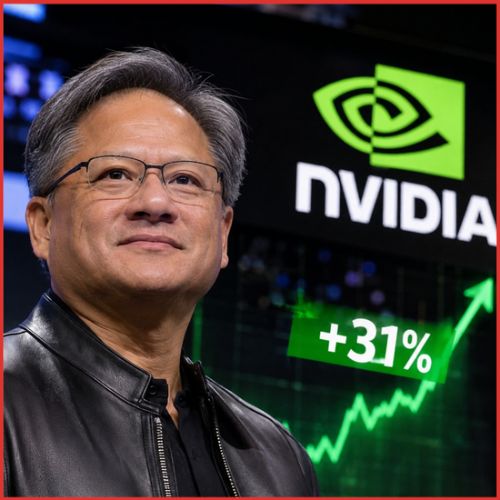
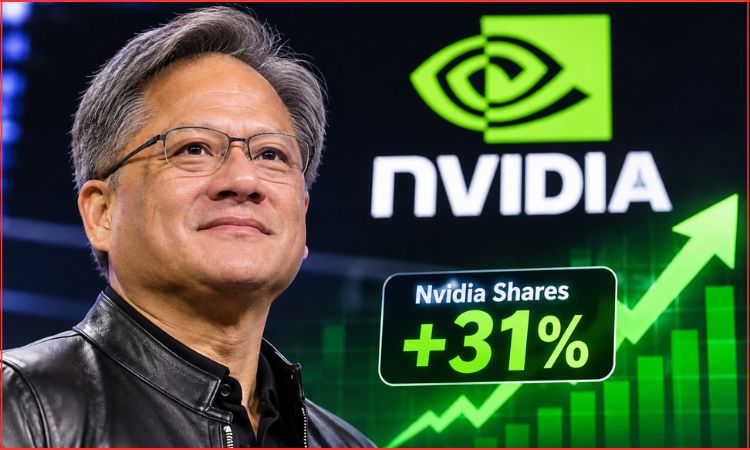
The news sent Nvidia shares soaring by more than 31% on Monday. Technology stocks elsewhere on Wall Street recovered sharply, giving investors some breathing room after a particularly difficult week.
Huang, meanwhile, returns to a company that still has several uncomfortable questions to answer.
An Unexpected U-Turn From Nvidia’s Board
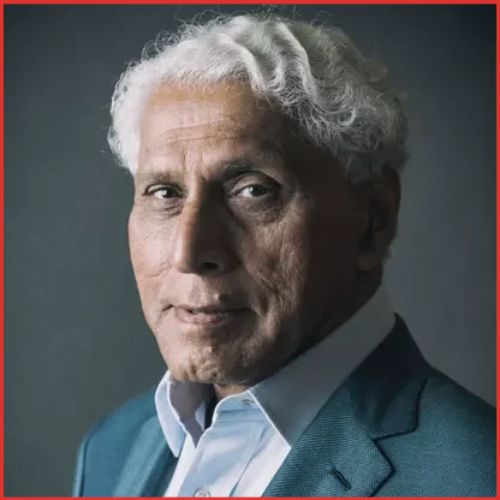
Few would have predicted Monday’s announcement after listening to Nvidia chairman Harvey C. Jones during the company’s recent earnings call. At the time, Jones had made it clear that the board had no plans to bring Huang back.
An executive search was already underway.
Behind the scenes, however, conversations continued. Industry executives voiced their support for Huang, shareholders grew increasingly concerned about falling stock prices, and the White House became involved.
Eventually, the Nvidia board of directors changed its position.
The company said its directors were satisfied with Huang’s openness during their discussions and his ability to run the business. Information received from the US government also helped address their concerns about his return.
Colette Kress, who had taken over as interim chief executive during the leadership crisis, will remain Nvidia’s chief financial officer. Jones will continue as board chairman.
Huang thanked employees, shareholders and industry partners for standing by him during his absence.
Trump Takes Credit For Bringing Huang Back
Trump had hardly concealed his preference for Huang’s return. What became clearer on Monday was how personally involved the president had been in getting it done.
During an interview with CNBC, Trump said he had contacted Nvidia’s directors because he was worried about the company’s situation following Huang’s departure.
He acknowledged that the recent losses on Wall Street had probably influenced his decision. His bigger concern, though, was the future of one of America’s most important technology businesses.
There is a wider economic consideration here. Nvidia supplies the computing hardware that many American businesses need to develop and operate AI products.
Billions of dollars in data centre investments depend, directly or indirectly, on the availability of its processors.
Losing the company’s founder at such a sensitive point for the artificial intelligence industry was evidently something the administration wanted to avoid.
Vice President JD Vance was also reportedly involved in weekend efforts to convince Nvidia’s directors.
Huang’s Return Does Not End The Investigation
Away from Monday’s celebrations, the circumstances that prompted Huang’s resignation remain under investigation.
The executive had admitted to an extramarital affair following reports concerning his relationship with a woman suspected of having connections to Chinese intelligence.
US authorities have not reached a definitive conclusion regarding those suspected connections.
Nvidia has kept its independent investigation open. A committee of directors, working with external lawyers, will continue examining the matter. Huang has agreed to cooperate.
There are changes taking place elsewhere within the company’s management structure, too.
Nvidia has formed a separate committee to supervise national security and export control compliance. It is also looking to appoint a chief compliance officer, a newly created position within the organisation.
For a company selling advanced processors under increasingly complicated trade restrictions, these are important appointments.
Trump said on Monday that the US government had no evidence of unlawful conduct by Huang, citing information from Attorney General Todd Blanche. He nevertheless backed the continuation of Nvidia’s internal investigation.
Wall Street Welcomes The Comeback
Anyone holding Nvidia shares over the past few weeks has had a rough time.
Monday was different. Nvidia stock climbed from Friday’s closing price of $125.53 to $165.05. The company recovered hundreds of billions of dollars in market value during a single trading session.
Buying spread across other technology businesses. The Nasdaq Composite gained approximately 6.5%, the S&P 500 rose 4.7%, and the Dow Jones Industrial Average finished 3% higher.
Those are unusually large movements for major American stock indices.
It is worth putting Nvidia’s recovery into perspective, however. Its shares had reached $239.24 in October. Even after Monday’s extraordinary rally, the stock remained well below that level.
Huang’s return gave investors a reason to buy again. It did not necessarily change their earlier concerns about technology valuations or the amount of money businesses are pouring into artificial intelligence.
Nvidia’s Competitors Have Not Been Standing Still
While attention has been fixed on its boardroom, competition within the semiconductor business has continued.
Some of Nvidia’s biggest customers are increasingly interested in building their own chips. Amazon and Google, for instance, have invested heavily in processors designed around the requirements of their respective cloud platforms.
The economics are fairly straightforward. Buying specialised hardware from another company can become expensive when operating data centres on a massive scale.
Developing processors internally gives cloud providers greater control over those costs.
Another area worth watching is AI inference. Training an artificial intelligence model is expensive, but running that model for millions of customers creates recurring costs.
Companies operating in the AI semiconductor market are consequently paying closer attention to power consumption, processing speeds and the cost of completing individual computing tasks.
Nvidia has an established advantage through its hardware and software ecosystem. Huang will now have to defend that advantage while managing the fallout from his brief departure.
Congress Still Wants Answers
The reception in Washington was considerably less enthusiastic than the one on Wall Street.
Democratic Senator Elizabeth Warren questioned the board’s decision and called for further scrutiny of Nvidia’s adherence to American semiconductor export rules.
Lawmakers also want to understand precisely what information the Trump administration supplied before directors reversed their position.
According to the Associated Press, Huang is scheduled to face questions from three House committees next week.
His return may have settled Nvidia’s immediate leadership problem, but the next few weeks could prove equally demanding. The company must keep its customers supplied, respond to investigators and reassure shareholders that its directors can exercise independent judgement.
By Monday evening, Nvidia had its founder back and a considerably higher share price. What it did not have was a resolution to the controversy that started it all.