India has more than 149 million citizens aged 60 and above, yet fewer than 20,000 organised senior living homes. For nearly a decade, this gap has remained one of the country’s most significant and underserved residential opportunities.
Cut to 2026, Hyderabad. Vera Vita, a ₹250-crore senior living venture, is building Amaya, a hospitality-led senior living community in Medchal. Set beside a 700-acre reserve forest, the development enters a category where organised supply serves less than 1% of demand.
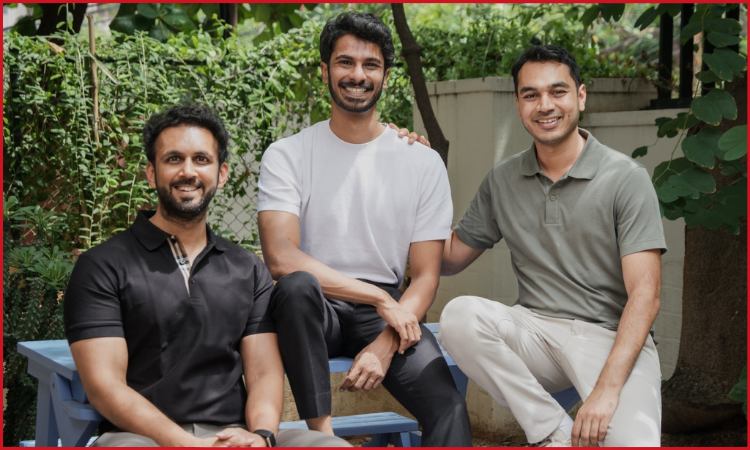
Vera Vita, founded in Hyderabad by Arudradev Rao, Dhruv Badruka and Tanay Saboo — all three in their early to mid-thirties, is among the ventures choosing to address this gap.
At a time when much of India’s entrepreneurial energy is directed towards technology, fintech and quick commerce, they have chosen a category that demands patient capital, thoughtful development and a long-term commitment to operations.
Their flagship project, Amaya, is coming up on Hyderabad’s Medchal corridor Phase I comprises 256 residences, supported by hospitality-led services, emergency healthcare assistance and wellness infrastructure.
A personal beginning
Amaya began with the founders observing the lives of their own parents
Their parents were healthy, active and financially independent. What had begun to weigh on them was not age itself, but the effort required to manage everything around daily life: maintaining large homes, coordinating domestic help, following up with repair services, arranging hospital appointments and navigating insurance paperwork.
None of these was, in isolation, a medical concern. Together, they created a persistent operational burden.
“We saw a clear disconnect in the way urban housing was being imagined,” Arudradev Rao, Co-founder of Vera Vita, told Business Outreach.
“Most homes are designed around young professionals and nuclear families. At the other end of the spectrum, aging is often addressed only through critical care or institutional formats. Between the two is a large and important group of independent seniors who want privacy, choice and a full life, with the everyday friction taken away.”
That distinction became the founding thesis for Vera Vita. The intention was not to create a place where seniors would be managed or looked after. It was to build an environment that could help them remain independent for longer, with support present quietly and dependably when required.
The numbers behind the opportunity
According to the United Nations Population Fund’s India Ageing Report 2023, India is home to over 149 million people aged 60 and above, representing roughly 10.5% of the population. By 2050, that number is projected to more than double to 347 million and account for over 20% of the country’s population.
Organised supply has not kept pace. Industry estimates cited by NITI Aayog place current national demand at over 300,000 senior living units, compared with an organised supply of fewer than 20,000 units. Penetration remains below 1%.
The wider Silver Economy, encompassing housing, healthcare, wellness and senior-focused consumer products, is estimated to cross USD 12 billion, or approximately Rs 1 lakh crore, over the next decade.
Three broader shifts are shaping this opportunity: retirees with meaningful disposable income, the decline of the joint-family structure in metropolitan India, and the growing number of adult children living in another city or country.
Inside Amaya
Approximately 65% of the Amaya campus is planned as open space, with landscaped grounds and a 35,000 sq ft clubhouse anchoring community life. The residences range from 1 BHK to 3.5 BHK homes.
With over 100 lifestyle amenities and services that include chef-prepared dining, the community has been conceived with the attentiveness of hospitality rather than as a conventional residential development. This is intentional. In senior living, the true measure of a community is not simply the quality of the home on the day it is handed over, but the consistency of the experience in all the years that follow.
“Every detail must contribute to confidence, comfort and ease,” said Dhruv Badruka, Co-founder of Vera Vita. “That includes the quality of construction, but it also extends to circulation, safety, accessibility and how naturally the built environment supports everyday life. Our responsibility is to create a community that remains considered and dependable well beyond completion.”
Each founder leads a distinct part of the enterprise. Arudradev Rao oversees corporate strategy, institutional framework and business operations. Dhruv Badruka leads land acquisition, development and project execution. Tanay Saboo drives customer experience, hospitality integration, brand and service operations.
Vera Vita has remained privately funded through its foundation phase. The company has taken no venture capital and diluted no equity.
For the founders, this has allowed the early decisions around design, safety, service and operations to be made with a long-term view rather than against aggressive capital or expansion timelines.
Senior living is, fundamentally, a trust-led business. Decisions concerning architectural design, safety standards and operating systems have consequences that extend well beyond construction and possession. The quality of the promise rests in the details, from safety provisions and response protocols to staffing and everyday service.
Remaining privately funded during this phase has allowed Vera Vita to retain close control over those decisions while establishing the model on which it intends to grow.
“In senior living, real estate provides the physical foundation, but hospitality and healthcare are what allow that foundation to serve people meaningfully,” said Tanay Saboo, Co-founder of Vera Vita.
“The value of the community depends on the consistency of its service long after the buildings are complete. We are therefore treating the operating framework as part of Amaya’s original design, not as something to be introduced after possession.”
This is one of the central challenges in the category. A well-designed building alone cannot sustain a senior living community. Dining, emergency response, wellness, maintenance, resident engagement and service quality must continue to function with care and consistency over time, said the founders.
What comes next
Following Hyderabad, Vera Vita is evaluating its next set of markets, including secondary, coastal and leisure destinations such as Vizag, Chennai, Goa and Coonoor.
For the three founders, the ambition extends beyond completing a real estate project. Selling 256 homes would mark the delivery of one development. Creating a place that seniors actively choose for themselves would represent something more enduring.
India’s senior living category is likely to become considerably more competitive over the coming decade. Today, however, the gap between the lives seniors want and the homes available to them remains substantial.
Amaya is Vera Vita’s response to that gap: a community designed around independence, nature, hospitality and the freedom to continue living entirely on one’s own terms.