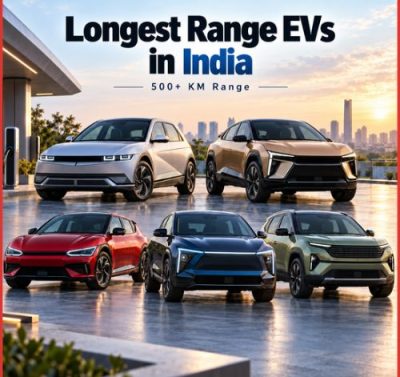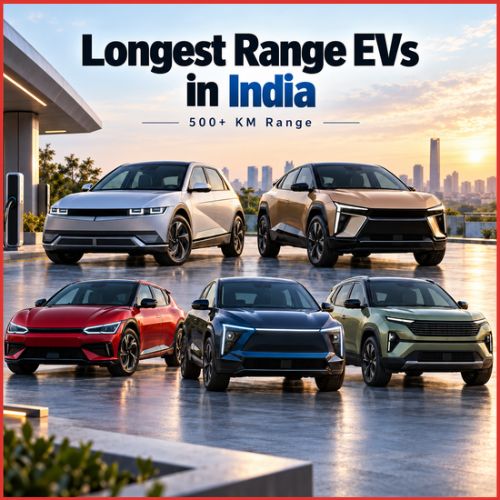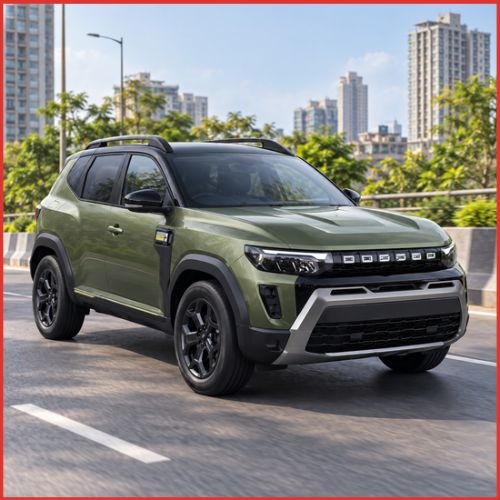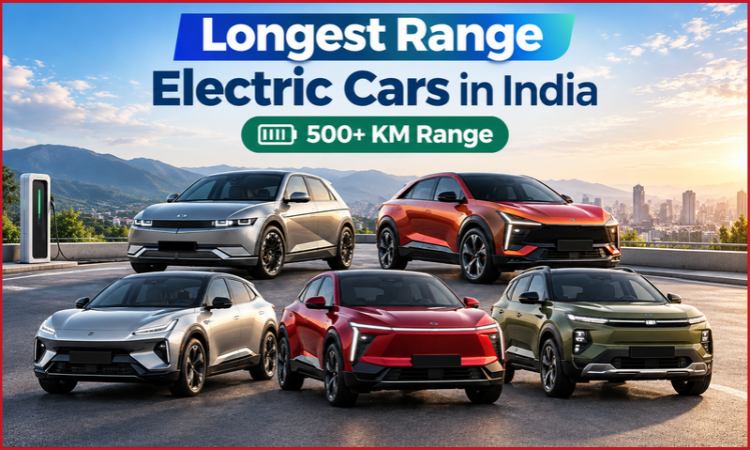
A decade ago, buying an electric car in India meant planning your week around a charging point and rarely venturing outside city limits. That’s changed faster than most buyers expected. The longest range electric cars in India 2026 can now cover 500 to 690 km on a single charge, which is enough for a Delhi-to-Jaipur run or a monsoon weekend drive to Lonavala without a single top-up. Bigger battery packs, dedicated EV platforms and smarter motors have pushed range anxiety further down the list of reasons to avoid an EV. This article explores five of the strongest long-range electric cars in India in 2026, comparing their claimed range, battery capacity, pricing and features to help buyers choose the right EV for long-distance driving.
Longest Range Electric Cars in India 2026
Here’s a comparison of five long-range electric cars in India in 2026, covering their battery capacity, claimed range, starting price and key features.
| Car / Model | Battery Capacity | Claimed Range (ARAI) | Starting Price* | Key Highlight |
|---|---|---|---|---|
| Hyundai IONIQ 5 | 84 kWh | Up to 690 km | ₹55.70 lakh | Premium cabin, rear-wheel drive and long driving range |
| Mahindra BE 6 | 79 kWh | Up to 683 km | ₹19.45 lakh | Sporty coupe-SUV design and strong performance |
| Kia EV6 | 84 kWh | Up to 663 km** | Verify current price | Premium features, fast charging and AWD option |
| Mahindra XEV 9e | 79 kWh | Up to 656 km | ₹21.90 lakh | Triple-screen dashboard and spacious coupe-SUV design |
| Tata Harrier.ev | 75 kWh | Up to 627 km | ₹21.49 lakh | AWD option and lifetime battery warranty for the first owner |
*Ex-showroom, base/entry variant of the long-range battery option. Prices and variant line-ups can change, so it’s worth checking with a dealership before you finalise anything.
1. Hyundai IONIQ 5: Up to 690 KM
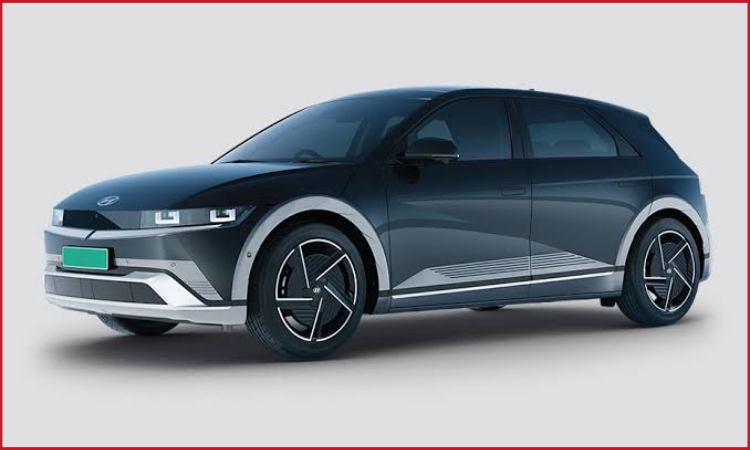
Hyundai gave the IONIQ 5 a proper mid-life update in 2026, and the headline change is the battery. It’s grown from 72.6 kWh to a much larger 84 kWh pack, paired with a single rear-mounted motor putting out 229hp and 350Nm good enough for an ARAI-certified range of 690 km, making it the longest range EV in India among mainstream-availability models right now.
Charging is handled through Hyundai’s E-GMP platform, which supports fast DC charging alongside the usual home AC options. Inside, you get dual 12.3-inch screens, a wireless charging pad, heated and ventilated front seats, and a fairly generous 527-litre boot plus a 57-litre front trunk. Priced from ₹55.70 lakh ex-showroom, this isn’t a car for first-time EV buyers on a budget it makes more sense for someone upgrading from a premium SUV who wants genuine highway range without constantly checking a charging app.
2. Mahindra BE 6: Up to 683 KM
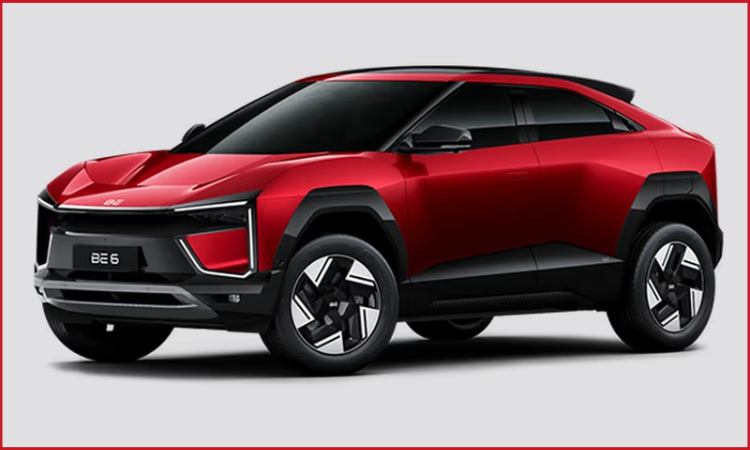
The BE 6 is the more affordable of Mahindra’s two INGLO-platform EVs, and it’s also the quickest off the line. The top-spec Pack Three trim gets a 79 kWh battery (sourced from BYD) driving a 282hp motor, with 0-100 kmph done in 6.7 seconds properly quick for anything with a five-seat cabin. ARAI certifies its range at 683 km, while the entry-level 59 kWh pack manages a more modest 556 km.
DC fast charging tops out at 175kW, taking the battery from 20 to 80 percent in about 20 minutes when you find a charger that can actually deliver that speed. Prices start at ₹19.45 lakh ex-showroom for the base variant, climbing to roughly ₹26.90 lakh for the long-range Pack Three. It’s aimed squarely at buyers who want EV performance and genuine 500 km range electric cars territory without stepping into luxury SUV pricing.
3. Kia EV6: Up to 663 KM
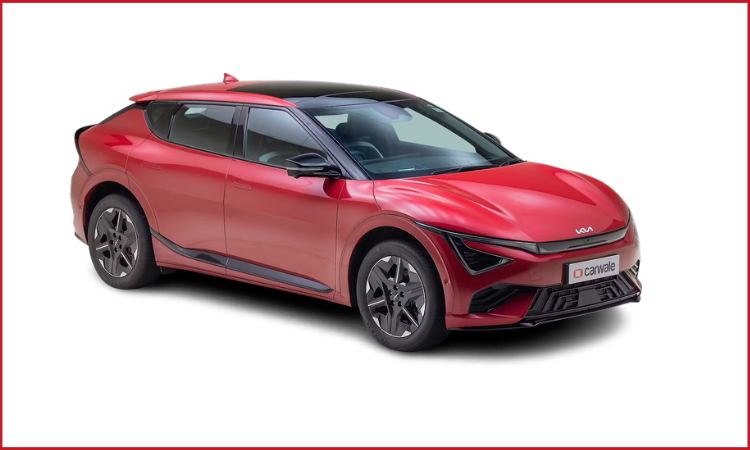
The Kia EV6 is a premium electric crossover that combines long driving range, quick acceleration and advanced technology. Its 84 kWh battery pack delivers an ARAI-certified range of up to 663 km, making it a strong addition to this list of the longest-range electric cars in India in 2026.
The EV6 features a dual-motor all-wheel-drive system producing 325 PS and 605 Nm of torque. It can accelerate from 0 to 100 kmph in around 5.3 seconds. The car also supports DC fast charging, with a claimed 10–80% charging time of approximately 18 minutes using a compatible 350 kW charger.
With its premium cabin, dual 12.3-inch displays and advanced driver assistance features, the Kia EV6 suits buyers looking for a luxury electric car with long-distance driving capability. Its higher price makes it more suitable for premium EV buyers than those looking for an affordable long-range electric SUV.
4. Mahindra XEV 9e: Up to 656 KM
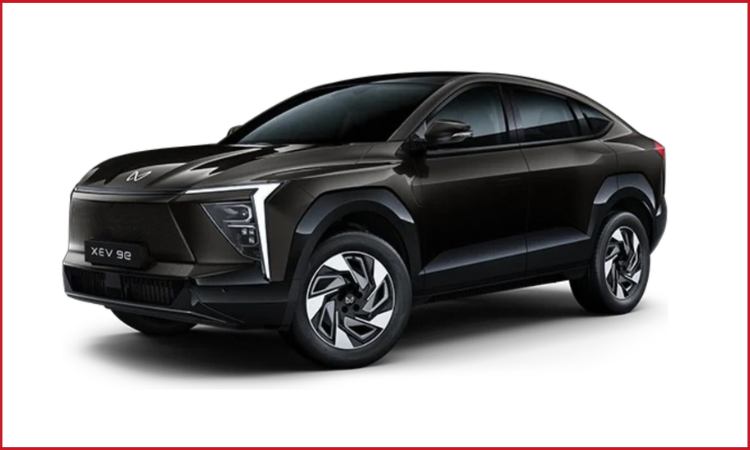
Think of the XEV 9e as the BE 6’s bigger, plusher sibling. Built on the same INGLO platform, it’s a coupe-styled SUV that’s nearly 95mm longer than Mahindra’s own XUV700, with a 79 kWh battery good for an ARAI-rated 656 km placing it comfortably in electric SUV with 600 km range territory.
The single rear motor makes 282hp and 380Nm, enough for a 0-100 kmph sprint in 6.8 seconds, and DC fast charging peaks at 180kW. Inside, there’s a triple-screen dashboard, a 16-speaker Harman Kardon system and, on higher trims, Level 2 ADAS. Ex-showroom prices start around ₹21.90 lakh and stretch past ₹31 lakh for the fully loaded version. It suits buyers who want flagship EV presence and don’t mind paying a premium over the BE 6 for extra length, features and cabin space.
5. Tata Harrier.ev: Up to 627 KM
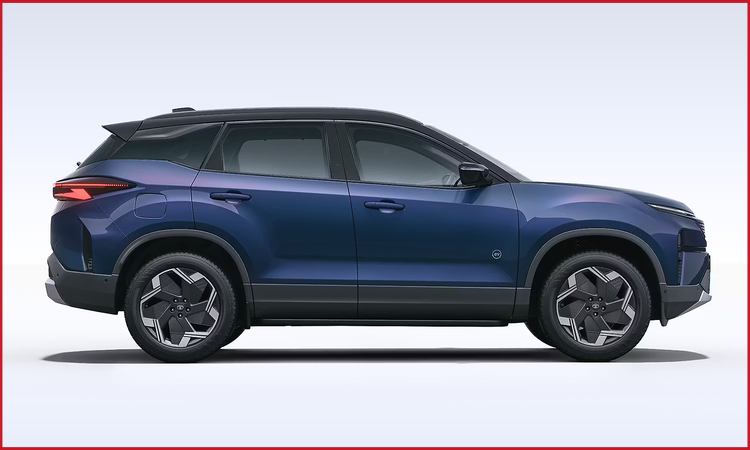
Tata’s electric take on the Harrier keeps the ICE model’s road presence but adds a genuinely capable EV underneath. The 75 kWh RWD variant is the range champion of the lineup at 627 km ARAI-certified, while the dual-motor all-wheel-drive version badged QWD trades a little range (622 km) for a combined 313hp, 504Nm and a 6.3-second 0-100 kmph time.
A 120kW DC fast charger takes the battery from 20 to 80 percent in around 25 minutes, and Tata backs the pack with a lifetime warranty for the first owner a detail that matters when you’re planning to keep a car for the long haul. Prices start from roughly ₹21.49 lakh ex-showroom. Among electric SUV with 600 km range options, the Harrier.ev is worth a look if all-wheel-drive traction and a familiar, family-SUV shape matter as much to you as outright range.
Why Are 500+ KM EVs Becoming More Common?
A few years back, a 300 km range was considered respectable for an Indian EV. The jump to 500-plus km hasn’t happened by accident it’s the result of several things coming together at once, and it explains why long range EVs in India have gone from a rarity to a genuine shopping category in just a couple of years.
- Larger battery packs: manufacturers are fitting 75-84 kWh batteries where 40-50 kWh was once standard, directly extending range
- Dedicated EV platforms: skateboard architectures like Hyundai’s E-GMP and Mahindra’s INGLO are built for batteries from the ground up, rather than adapting a petrol car’s chassis
- Better battery chemistry: improved cell density means more usable energy without a proportional jump in weight or size
- Improved motor efficiency: newer permanent-magnet motors extract more distance from every kWh consumed
- Faster charging: 120-180kW DC charging cuts top-up time, making a bigger battery practical rather than just a spec-sheet number
Certified Range vs Real-World Range: What Should Buyers Expect?
Every range figure quoted in this article 690 km, 683 km, 656 km, 627 km is an ARAI-certified or manufacturer-claimed number, tested under standardised laboratory conditions. It’s a useful way to compare cars, but it isn’t a promise of what you’ll see on your own odometer.
Real-world range in India typically runs 25-35 percent lower than the certified figure. A handful of factors explain the gap: sustained highway speeds above 100 kmph, running the air-conditioning through a north Indian summer, stop-start city traffic, cold or wet weather, aggressive acceleration, a full load of passengers and luggage, and hilly or uneven terrain all draw more from the battery than a lab test ever will. None of this means the certified number is misleading; it’s simply a best-case figure, and treating it as a guaranteed outcome is where a lot of first-time EV buyers get caught out. Knowing this gap upfront is really the whole trick to judging EV range in India sensibly, rather than being disappointed by the number on your dashboard.
How to Choose the Best Long-Range EV in India
Range alone shouldn’t decide your purchase. A few other factors matter just as much once you’re comparing the best electric cars in India 2026 has to offer.
- Maximum range vs your actual usage: a 690 km car is wasted if your longest regular drive is 80 km don’t pay for range you won’t use
- Price and value: compare what each lakh of rupees buys you in features, not just kilometres of range
- Performance: 0-100 kmph times vary from 6.3 to 6.8 seconds among these four, which matters more on highways than in city traffic
- Charging speed: a 175-180kW-capable car recovers charge faster than a 120kW one, provided you can actually find a charger that fast
- Practicality: boot space, cabin room and ground clearance affect daily usability far more than the last 50 km of range
- Long-distance usability: check the manufacturer’s fast-charging network along routes you actually drive, not just the spec sheet
Is a 500+ KM Range EV Worth Buying?
For someone who drives long distances regularly sales professionals, frequent inter-city travellers, or families that take highway trips every month a 500+ km range EV genuinely cuts down on charging stops and range anxiety. Among electric cars with 500+ km range, the extra battery capacity also tends to mean a slightly gentler charging routine, since you’re not topping up from empty as often.
If your driving is almost entirely within city limits, a daily commute under 50 km, occasional weekend errands a smaller-battery EV or even a plug-in hybrid could serve you just as well for meaningfully less money. Not every buyer needs a 500 km range electric car; the extra battery makes the most sense when it replaces genuine long-distance trips, not when it’s bought purely for peace of mind you’ll rarely need to draw on.
The Future of Long-Range EVs in India
EV range in India is likely to keep climbing over the next few years. Battery technology is improving on two fronts at once energy density is rising, and cell chemistries like LFP are getting cheaper to produce at scale, which should eventually bring 600 km-plus range within reach of more affordable cars, not just the ₹20 lakh-plus segment covered here.
Charging infrastructure is the other half of the equation. As more highway charging corridors go live and DC fast chargers above 150kW become common outside metro cities, the real-world gap between certified and actual range will start to matter less. Competition is doing its part too with Hyundai, Mahindra, Tata and soon others pushing 600-plus km claims, expect the best EV cars 2026 has introduced to look modest next to what launches in 2027 and beyond, and expect the definition of a longest range EV in India to keep shifting upward.
Conclusion
The longest-range electric cars in India in 2026 offer different benefits for different buyers. The Hyundai IONIQ 5 focuses on premium comfort and driving range, while the Mahindra BE 6 offers sporty performance at a comparatively lower starting price. The Kia EV6 is another premium option for buyers who value advanced features and fast charging. The Mahindra XEV 9e provides a spacious, feature-rich cabin, while the Tata Harrier.ev combines SUV practicality with an available all-wheel-drive option. Before choosing, compare the latest prices, verified range figures, charging facilities and features to find the EV that best suits your driving needs.
FAQs
1. Which electric car has the longest range in India in 2026?
The Hyundai IONIQ 5 is listed with a claimed range of up to 690 km in this comparison. Buyers should check the latest India-specification figures with the manufacturer before making a purchase.
2. Which Indian electric SUV offers more than 650 km of range?
The Mahindra XEV 9e and Mahindra BE 6 both cross 650 km, with ARAI-certified figures of 656 km and 683 km respectively on their 79 kWh battery packs.
3. Does a 600 km certified EV range mean the car will always travel 600 km?
No. Certified figures come from standardised lab tests. Real-world range is usually 25-35 percent lower once you factor in highway speeds, air-conditioning, traffic and terrain.
4. Which Tata EV has more than 600 km of certified range?
The Tata Harrier.ev’s 75 kWh RWD variant is ARAI-certified at 627 km, making it the brand’s longest range EV in India currently on sale.
5. How important is fast charging when buying a long-range EV?
Quite important if you drive long distances often. A car that supports 150kW-plus DC charging can add well over 200 km of range in 20-25 minutes, which matters far more on a highway trip than the last few kilometres of claimed range.
6. Should I buy a 500+ km EV for city driving?
Not necessarily. If your daily driving stays under 50-60 km, a smaller-battery EV will do the job for meaningfully less money a 500+ km range electric car pays off mainly when you’re covering long distances regularly.