The IPL, an invention of the BCCI Board of Control for Cricket in India in 2008, perfectly represents the interrelation of sport, entertainment, and business. It makes Indian cricket very innovative, with the action in the matches being high-octane and an ultimate glitz presentation. Besides providing a huge platform to the brands, millions are taken on the board. Title sponsorships of IPL, in particular, have become a high-profile opportunity for companies aiming to increase their brand visibility in reaching diverse audiences.
Source: Policy Corner JSGP
The range and dynamics of title sponsorships have changed tremendously from its early years to date, and they are in line with the league’s rising stature and international appeal. This article traces the history of IPL title sponsorships and explains the trends and implications of such deals on sports and the business world.
IPL sponsorship mirrors the rapid growth of the fan base as well as its financial muscle. From its humble beginnings, where the league’s potential was still being tested, to its eventual billion-dollar sporting spectacle that it has become today, the fees paid by title sponsors have much to say about escalating brand valuation and strategic corporate collaborations. In the above text, we have attempted to elaborate on the course of the deals, the sponsors’ strategic goals, and how remarkably IPL (Indian Premier League) turned into a commercial enterprise across the years.
1. DLF (2008–2012)
Source: Google Images
DLF has been the title sponsor of IPL and paid INR 200 crores for that five-year sponsorship deal, which amounts to Rs 40 crore as an average price per season. A considerable amount at that time laid the IPL foundation and ensured it was the most significant commercial product. Through the association, DLF can advance its brand visibility among Indians and others around the globe.
Key Take-Aways from the Deal
- The deal made DLF a household name during the infancy of IPL.
- Investment in the game became a bold call, given that the tournament’s first year was uncertain.
- This period of success of IPL created space for future sponsors to realize that it had all the marketing opportunities.
DL was its sponsor, but this gave the league the much-needed money and the precedence of how IPL could be a mass engagement tool for brands. It was one of the initial investments in the league that had barely taken its baby steps as IPL gained unprecedented popularity among viewers and advertisers overnight.
2. PepsiCo (2013–2015)
Source: Google Images
In 2013, PepsiCo replaced DLF as the title sponsor by securing the rights for INR 396 crore for five years, averaging INR 79.2 crore per season. However, PepsiCo ended its association prematurely in 2015, following controversies involving spot-fixing scandals and the perception of brand mismatch.
Key Highlights of the Deal:
- Pepsi’s sponsorship reflected IPL’s growing value as a marketing platform.
- The annual fee almost doubled from the previous sponsor’s agreement.
- Pepsi leveraged IPL to promote soft drinks among cricket-loving youth.
Pepsi wanted to acquire market share through IPL since it is a leading beverage brand in India. The company has launched several ads with IPL. It was about the innovative branding of cricket with youth appeal.
Why Pepsi Left Early:
- The poor image of IPL in the spot-fixing scandal led Pepsi to quit early.
- The judgment brought in the aspect of reputation and ethics in the brand association.
Though it exited early, the sponsorship of PepsiCo established how IPL can magnify a brand’s voice and consumer interface through high-decibel visibility and marketing.
3. Vivo (2016-2017, 2018-2019)
Source: Google Images
Vivo is an all-Chinese brand that came on board after PepsiCo’s exit. Vivo signed a two-year contract with BCCI from 2016 to 2017 for Rs 100 crores per annum, amounting to Rs 200 crores. Then, Vivo furthered their commitment by signing for five years, 2018–2022, in an INR 2,199 crores contract, which would mean Rs 440 crores a season.
In Brief:
- The deal indicates that IPL is gaining more and more financial value.
- Vivo bought the Indian smartphone market, where cricket is unmatched in popularity through IPL.
- The five-year deal was a giant leap in terms of sponsorship fees, signifying the considerable growth of the league.
Vivo’s brand sponsorship was a marketing masterstroke as the brand used IPL’s enormous reach to strengthen its position in the highly competitive Indian smartphone market. It became synonymous with cricket and entertainment during IPL seasons through event branding, merchandise promotions, and targeted advertisements.
Problems:
- It withdrew its sponsorship from Vivo during the 2020 season when tensions between India and China hit a new peak.
- This is an example of how the interest of a sports franchise can sometimes be outmaneuvered by geo-political agenda.
Vivo’s association with IPL is a testimony to how a high-technology brand uses the marketing vehicle of sports to get quick branding and connect with consumers.
4. Dream11 (2020)
Source: Google Images
The year 2020 was the most challenging year for IPL since it was shifted to the UAE due to the COVID-19 pandemic. Vivo pulled out and opened doors for the fantasy sports website Dream11. Dream11 came up with a one-year INR 222-crore sponsorship deal.
Some key takeaways of the deal
The deal showed the iron-clad might of IPL that can capture such massive sponsorship when the world is facing a crisis.
- Dream11 rapidly became popular amongst cricket enthusiasts, increasing users to an extent.
- The Pandemic proved a turning point for the online domains, which was trying to harness the potential of IPL.
The Association of Dream11 with IPL has shown that due to the Pandemic, people have changed their preferences for digital spaces. The Brand was using the IPL fan base and the fantasy of cricket and digital engagement for promotions and was standing atop the sports-tech space.
5. Vivo’s Return (2021)
Source: Google Images
The company returned as a title sponsor in 2021 through its five-year deal, but the brand continued to attract geopolitical concerns, leading to an exit from the sponsorship early in 2022. This was the transition phase of IPL title sponsorships.
Important Points
- The intermittent presence of Vivo was one example of the challenges brands were exposed to while navigating public sentiment and geopolitical dynamics.
- IPL was a lucrative asset for international and domestic brands even under uncertainty.
The comeback and going out of the brand have depicted how fragile the sponsorship deal was and how external forces, public opinion, and international politics can destroy all the structures.
6. Tata Group (2022–2028)
Tata Group became the IPL title sponsor in 2022 and completely transformed the commercial scale of the tournament.
Initially replacing Vivo, Tata later secured the IPL title sponsorship rights through 2028 with a massive deal reportedly worth around ₹2,500 crore for the 2024–2028 cycle.
Investment Value
- Nearly ₹500 crore per year
- Estimated total deal: ₹2,500 crore
The Tata sponsorship represents the growing dominance of Indian corporate giants in global sports marketing.
The partnership also strengthened IPL’s image as a premium entertainment and business platform rather than only a cricket tournament.
IPL 2026: Bigger Than Ever
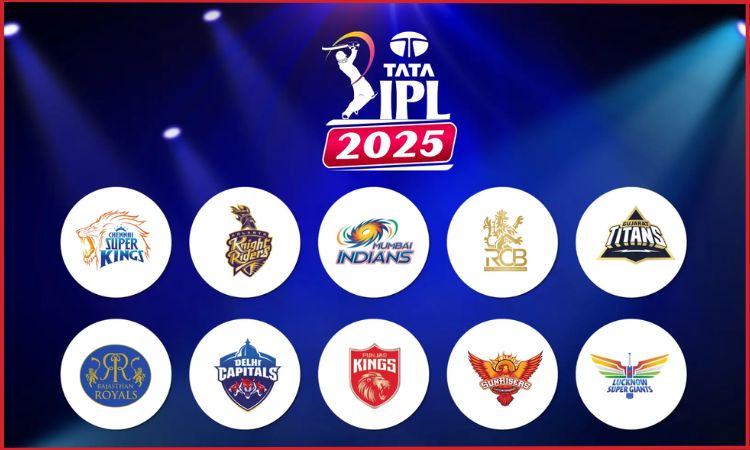
The 2026 season further proved why IPL is one of the biggest sporting leagues in the world.
TATA IPL 2026 reportedly crossed more than 1 billion screen reach across television and digital streaming platforms. Brands from technology, fintech, aviation, AI, cement, automobiles, and consumer sectors heavily invested in IPL advertising and sponsorships.
Major companies continued using IPL as their biggest annual marketing platform due to its unmatched reach and audience engagement.
Major Commercial Highlights of IPL 2026
- Tata remains the title sponsor till 2028
- Digital streaming viewership continues to rise
- AI and technology brands increased sponsorship presence
- IPL franchise valuations reached new highs
- JioStar reportedly secured more than 27 sponsors for IPL 2026
- IPL became one of the world’s most valuable cricket leagues
The tournament’s commercial growth in 2026 showed how sports, entertainment, and digital business are now deeply connected.
IPL Title Sponsors and Investment Table
| Sponsor | Years | Approximate Value |
|---|---|---|
| DLF | 2008–2012 | ₹40 crore/year |
| PepsiCo | 2013–2015 | ₹79.4 crore/year |
| Vivo | 2016–2017 | ₹100 crore/year |
| Vivo | 2018–2019 | ₹439.8 crore/year |
| Dream11 | 2020 | ₹222 crore |
| Vivo | 2021 | ₹439.8 crore |
| Tata Group | 2022–2023 | ₹439.8 crore/year |
| Tata Group | 2024–2028 | ₹500 crore/year |
Trend Analysis in Sponsorship Fees
The growth in IPL title sponsorship fees clearly shows the increasing value of the league over time.
In 2008, the IPL title sponsorship started at around ₹40 crore per year with DLF. By 2026, sponsorship values had increased to nearly ₹500 crore annually under Tata Group.
Why Sponsorship Values Increased
Massive Audience Growth
IPL attracts millions of viewers across television and digital platforms every season.
Digital Streaming Expansion
The rise of OTT streaming and mobile viewing increased IPL’s advertising value significantly.
Strong Brand Visibility
Sponsors receive nationwide recognition during the tournament.
Social Media Engagement
IPL trends dominate platforms like Instagram, YouTube, and X during every season.
Global Cricket Popularity
The IPL is now watched by audiences worldwide, increasing its international commercial appeal.
What Could IPL Sponsorship Look Like by 2030?
Looking ahead, IPL sponsorship deals may become even bigger by 2030.
Experts believe future IPL sponsorships could cross ₹700–₹1,000 crore annually due to:
- Growth of AI-driven advertising
- Expansion of global streaming audiences
- International brand partnerships
- Increased franchise valuations
- Higher digital advertising revenues
Technology companies, fintech brands, electric vehicle companies, and AI startups may become future IPL sponsors as India’s digital economy grows rapidly.
The IPL could also become one of the top five most valuable sports leagues globally in the coming years.
Conclusion
The journey of IPL title sponsorships from DLF to Tata highlights the incredible rise of the Indian Premier League as a global business and entertainment powerhouse.
What started as a cricket experiment in 2008 has become a billion-dollar sports ecosystem attracting major brands, investors, advertisers, and millions of fans worldwide.
In 2026, IPL is no longer just a cricket league — it is one of India’s strongest marketing and media platforms. With Tata continuing as the title sponsor till 2028 and sponsorship values reaching record levels, the future of IPL business looks stronger than ever.
For brands, IPL remains one of the most powerful platforms to connect with Indian audiences at scale.
FAQs
1. Who is the title sponsor of IPL 2026?
Tata Group is the official title sponsor of IPL 2026. The company holds the sponsorship rights till 2028 under a deal reportedly worth around ₹2,500 crore.
2. Who was the first IPL title sponsor?
DLF Limited was the first title sponsor of the Indian Premier League from 2008 to 2012. The company paid around ₹40 crore per year during the initial years of the tournament.
3. Why did Vivo leave IPL sponsorship?
Vivo temporarily stepped away from IPL sponsorship in 2020 due to geopolitical tensions between India and China. Later, Tata Group took over the title sponsorship rights permanently.
4. Why is IPL sponsorship so expensive?
IPL sponsorship is expensive because the tournament attracts millions of viewers across television, mobile apps, and digital streaming platforms. Brands receive huge visibility, nationwide marketing reach, and strong audience engagement during every IPL season.