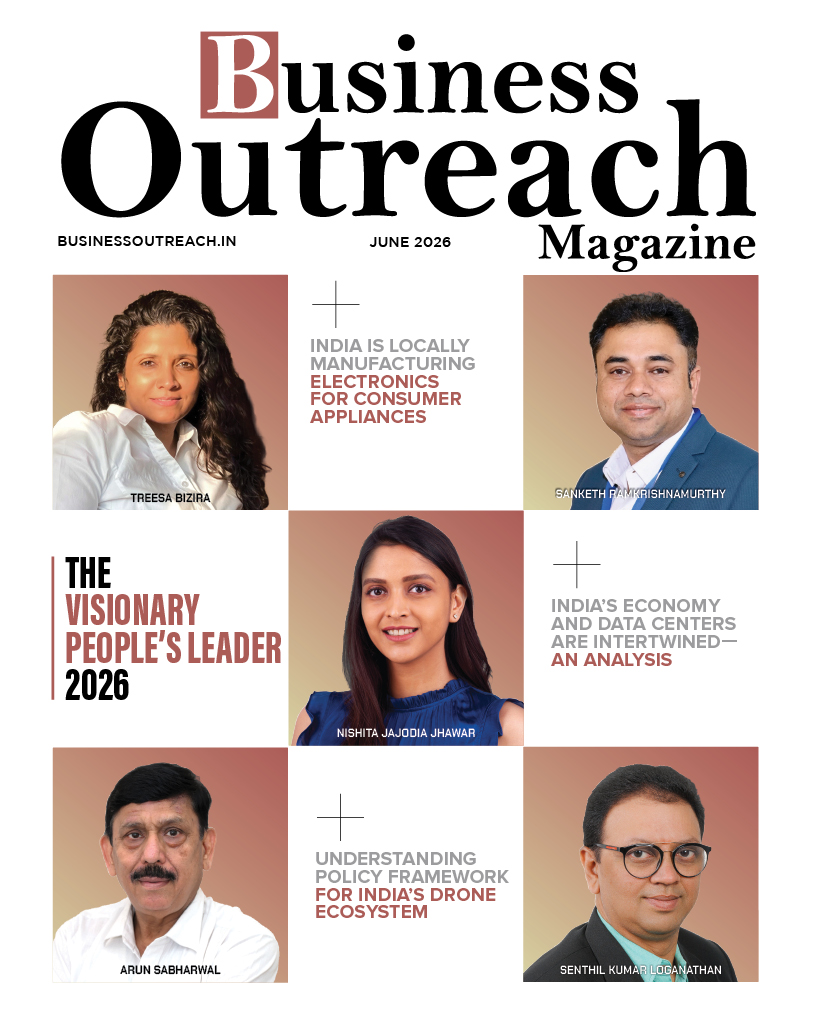
Given that we have over 159,000 DPIIT-recognized startups with an ecosystem worth $11 billion, visibility isn’t something you can opt for anymore – it’s mandatory. This is how digital media is changing the game in terms of which startups earn trust, investment, and traction.
India is perhaps the biggest startup ecosystem without us knowing it. Over 159,000 DPIIT-recognized startups operating in various industries like deeptech, fintech, D2C, and agritech mean that it’s not about building your brand anymore; it’s also about establishing credibility. Everyone, from investors to customers, from talent to partners, decides whether you should have their time based on one criterion – credibility.
This is where online business magazines and digital startup media platforms come into play as the most underused but potentially valuable tool in the Indian startup building arsenal. Inc42, YourStory, Forbes India, The Ken, Business Today, and Entrepreneur India have moved beyond being mere observers of the business world and have turned into the very architects of startup brand reputations and positioning.
The Indian Startup Media Landscape in 2026
The Indian ecosystem of media startups has seen a significant shift in structure in the last decade. While earlier, the media industry was dominated by print media focused on large capital businesses, today’s scenario is one where there are media startups designed specifically for the startup ecosystem. Media startups have an unmatched blend of credibility, search engine authority, social media reach, and investor audience.
| PLATFORM | MONTHLY REACH | DOMAIN AUTHORITY | KEY AUDIENCE | STARTUP FOCUS |
| Inc42 | 10M+ readers | High (60+) | Investors, Founders, VCs | Funding, Policy, Ecosystem |
| YourStory | 8M+ readers | High (65+) | Founders, Entrepreneurs | Storytelling, Impact, Scale |
| Forbes India | 5M+ readers | Very High (80+) | HNIs, CXOs, Investors | Wealth, Power, Innovation |
| The Ken | 3M+ readers | High (55+) | Business Analysts, Founders | Deep-dive Investigative |
| Business Today | 6M+ readers | High (70+) | Executives, Policy Makers | Corporate, Macro Trends |
| Entrepreneur India | 2M+ readers | Medium-High (50+) | SME Founders, Startups | Practical Guidance, Growth |
All of them combined have a combined monthly viewership equivalent to the most popular news channels in India, but their true power lies in the intention behind the viewers. Someone who’s browsing the funding section on Inc42 is no casual browser. They are active participants monitoring the ecosystem, and getting featured within the context has a unique value proposition that can’t be bought with money alone.
6 Powerful Ways Business Magazines Build Startup Brand Authority
1. Thought Leadership Platforms
The magazine provides articles that are opinions and expert views from entrepreneurs that help create domain authority for a founder via SEO. Being published in Forbes India or Entrepreneur India can be used by entrepreneurs to create long-lasting domain authority through SEO.
2. Interviews of Founders
YourStory is one of the platforms that help humanize the journey of any startup. A founder’s interview can make a brand story out of the numbers and facts, which is very helpful for both customers and investors, as the emotional connection is crucial for building consumer brand trust.
3. Lists of Awards and Recognitions
“30 Startups to Watch” by Inc42 and Forbes India 30 are some examples of awards that can give the necessary third-party recognition to a startup. These lists of awards are then referred to by entrepreneurs in various presentations for investors.
4. Coverage on Multiple Publications
In the event that a startup raises funds and is covered by several business magazines at the same time, then the power of publicity becomes a reality. A funding story featured in publications such as Inc42, YourStory, and the Economic Times becomes more valuable than its monetary worth through link building and social engagement.
5. Special Reports in Industries
Magazines such as The Ken and Inc42 produce lengthy sector-specific reports. In the event that the startup’s information appears in the report, then the brand will be given some of the magazine’s reputation. This helps in creating B2B brand authority and improving investor relations.
6. Vernacular Publishing
In the era of vernacular publishing, platforms such as YourStory publish content in regional languages. This allows Tier-2 and Tier-3 startups to create their brands locally, something which has not been possible before. This has led to success for startups from cities such as Indore, Jaipur, and Patna.
Real Case Studies: When Media Meets Momentum
Zerodha – From a Bootstrapped Startup to a Leading Fintech Brand Through Media Authority
One of the most inspiring stories of leveraging media brand authority within the Indian startup ecosystem comes from Zerodha, India’s biggest retail broker platform. Co-founded by brothers Nithin and Nikhil Kamath in 2010, the company adopted a unique approach of raising zero outside venture capital funding, which only gained credibility once business magazines started featuring the concept.
Over the first three years of operation, Zerodha managed to gain only 10,000 clients. However, the turning point was marked when popular magazines like Inc42, Economic Times, and Forbes India began reporting on the founder’s vision of financial education, his interviews as a leading entrepreneur, and how the bootstrapped business model had become profitable.
The absence of well-known venture capital firms behind such a fintech startup meant the media coverage acted as an alternative trust indicator for the public to rely upon. Currently, Zerodha claims over 10 million active users and has a valuation of over $2 billion. Meanwhile, Nithin Kamath continues to be listed as one of India’s top entrepreneurs based solely on media visibility.
Zomato – From Foodiebay to Forbes Cover: Media as a Brand Architect
From the time Deepinder Goyal created the website Foodiebay (now Zomato), India had less than 5% internet penetration. For the first two years, the brand saw little or no advertising spend, depending purely on organic mentions and early digital media coverage. The brand’s first round of funding, ₹4.7 crore from InfoEdge, happened only in 2010, once the startup media started recognizing how fast the site was listing restaurants in Delhi NCR.
The media coverage by Inc42, YourStory, and the country’s leading business newspapers, as they followed Zomato’s funding raises, international expansion, and strategic decisions, helped craft its story in real-time. Every new move, be it discovery, delivery, or Hyperpure, got highlighted in various business magazine write-ups, putting things into context for readers.
At the time of Zomato’s 2021 initial public offering (IPO), which became one of India’s most successful tech IPOs ever, there were already more than ten years of consistent media coverage that had created an established reputation in the minds of retail investors who had never used the app themselves but knew about it from the business news.
Key Marketing Trends Driving This Shift in 2026
Some key digital marketing trends driving the importance of an online magazine presence for Indian startups are:
1. The Era of Content-led Growth: Startups with significant editorial influence in industry publications have been known to have lower Customer Acquisition Costs (CAC) because of the built-up trust through inbound marketing and earned media practices.
2. Online Research by Investors: It has become a standard practice for venture capitalists and angel investors to do their online homework on the startup founders by conducting searches on Google. Having a robust digital PR presence can determine whether a cold email is read or deleted by investors.
3. Startup Branding: According to several LinkedIn and startup ecosystem reports, founder branding and startup branding now go hand in hand. Publications that publish stories about founders generate a multiplier effect, where the credibility of the founder builds the startup’s brand image, funding story, and customer trust.
4. AI-driven Reputation Management: With the use of generative AI increasing among discovery processes, startups mentioned in reputable business journals will find themselves mentioned by AI systems in answers, and their presence in featured snippets will become even more frequent, giving way to zero-click reputation management through every subsequent mention.
Conclusion
The startup ecosystem of India has entered a new era of maturing into a quality rather than quantity game. As venture funding becomes more discriminating, as investors become more sceptical, and as artificial intelligence revolutionizes discovery and evaluation for businesses, startups that will thrive in the coming decade are those that have a fundamental understanding: reputation is built publicly, and business magazines are the best arena for this.
For any Indian entrepreneur who asks, “How do I stand out?”, the solution is not found in their features or their rounds of funding, but in the narrative they create, the platforms they leverage, and the credibility they establish editorially.
FAQs
1. Why are online business magazines significant for Indian startups?
Online business magazines contribute towards building credibility, establishing trust, attracting investment, and improving online visibility by means of editorial recognition and thought leadership.
2. How can media coverage help in SEO for startups?
Media coverage provides valuable backlinks, brand mentions, referral traffic, and higher authority signals that benefit SEO.
3. What are the best business magazines for Indian startups?
Some popular magazines for startups are YourStory, Inc42, Forbes India, Entrepreneur India, and Business Today.
4. Define startup brand authority.
The brand authority of any startup can be defined as the credibility that it enjoys in its respective field.