In today’s automotive landscape, complexity is often seen as progress. Cars now come equipped with advanced infotainment systems, connected features, driver assistance technologies, and multiple electronic components. While these innovations enhance convenience, they also introduce a new layer of complexity in ownership.
Interestingly, a significant number of buyers continue to prefer simpler cars. The reason is straightforward—when it comes to long-term ownership, less can often mean more.
Understanding Ownership Complexity
Ownership complexity goes beyond the initial purchase. It includes everything that comes after:
- Maintenance and servicing
- Repair costs
- Ease of use
- Reliability over time
As cars become more feature-rich, these aspects can become more complicated. More electronics and systems often mean more potential points of failure.
Simpler cars, on the other hand, are designed to minimise these complexities.
Fewer Components, Fewer Problems
One of the biggest advantages of simpler vehicles is the reduced number of components.
Modern cars rely heavily on electronic systems, sensors, and software. While these features offer convenience, they can also increase the likelihood of issues over time.
Simpler vehicles focus on proven mechanical systems. With fewer electronic dependencies, they are generally:
- Easier to diagnose
- Less prone to unexpected failures
- More predictable in performance
This directly reduces the stress associated with ownership.
Ease of Maintenance
Maintenance is a key factor in long-term car ownership.
Feature-heavy vehicles often require specialised tools and trained technicians to service advanced systems. This can increase both cost and downtime.
In contrast, simpler cars are easier to maintain. Their straightforward engineering allows for:
- Faster servicing
- Lower repair costs
- Wider availability of service support
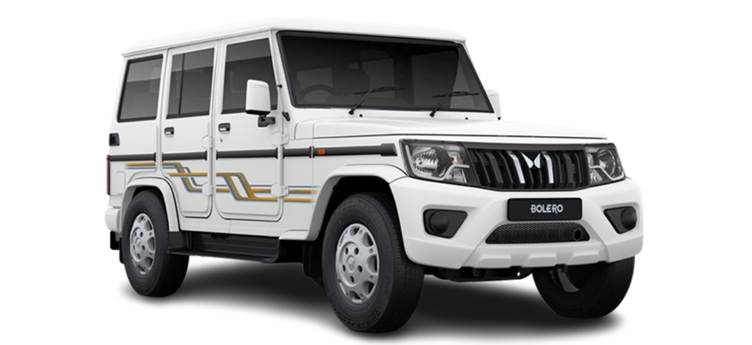
Vehicles like the Mahindra Bolero reflect this approach, with a design that prioritises durability and ease of maintenance over complexity.
Reliability Through Simplicity
Reliability is often closely linked to simplicity.
With fewer complex systems, there are fewer things that can go wrong. This makes simpler cars more dependable in everyday use.
The Bolero’s robust construction, including its high-strength frame-based body, described as “built like a fortress,” reinforces this reliability-focused approach.
This kind of engineering ensures consistent performance across different conditions.
Lower Long-Term Costs
Ownership costs extend far beyond the purchase price.
Simpler cars help reduce:
- Maintenance expenses
- Repair costs
- Replacement of expensive electronic components
Over time, these savings can make a significant difference, especially for buyers who use their vehicles extensively.
This makes simplicity not just a design choice, but a financial advantage.
Reduced Learning Curve
Modern cars often come with complex interfaces, touchscreen controls, and multiple driving modes. While these features can be useful, they can also make the driving experience more complicated.
Simpler cars offer:
- Intuitive controls
- Straightforward functionality
- Minimal distraction
For many users, this makes driving more comfortable and less stressful.
Better Adaptability to Real-World Conditions
In markets like India, cars are used across a wide range of conditions—from urban traffic to rough rural roads.
Simpler vehicles are often better suited to handle these variations. Their focus on durability and practical engineering ensures consistent performance.
Features like the Bolero’s RideFlo technology, which enhance ride stability and handling, highlight how simplicity can still deliver meaningful improvements without adding unnecessary complexity.
Less Dependence on Technology
Another important aspect of simpler cars is reduced dependence on technology.
In highly connected vehicles, issues with software or electronics can affect multiple systems. Simpler cars avoid this dependency, ensuring that core functions remain unaffected.
This independence adds to their reliability and ease of ownership.
Peace of Mind for Owners
Ultimately, the biggest advantage of simpler cars is the peace of mind they offer.
Owners of such vehicles often experience:
- Fewer unexpected issues
- Lower maintenance concerns
- Greater confidence in daily use
This psychological comfort plays a major role in why simpler cars continue to remain relevant.
Role of Digital Platforms in Decision-Making
As buyers evaluate their options, online car-buying platforms like ACKO Drive help highlight the trade-offs between feature-rich and simpler vehicles.
By providing insights into ownership costs, usability, and long-term reliability, these platforms allow buyers to make decisions based on what truly matters to them.
Final Thoughts
In a world where automotive technology is advancing rapidly, simplicity offers a different kind of value.
Simpler cars reduce ownership complexity by focusing on reliability, ease of maintenance, and cost efficiency. They demonstrate that innovation is not always about adding more—it can also be about refining what already works.
For many buyers, this balance makes simpler cars not just a practical choice, but a smarter one.