Introduction: How L’Oréal Became a Beauty Powerhouse
Have you ever used a shampoo, face cream, or lipstick with the name “L’Oréal” on it? If so, you are not alone. It is one of the most famous beauty brands in the world and sells products like skincare, makeup, haircare, and fragrances in more than 150 countries.
The L’Oréal success story began more than 100 years ago as a small company in France. It was created by a young chemist who simply wanted to develop better hair dye products. Today, it has grown into a major corporation with many well-known brands, including Maybelline, Garnier, Lancôme, NYX, and L’Oréal Paris.
So, how did this little French brand grow to become a household name in the beauty industry?
In this article, we will take you through:
- How L’Oréal began
- Who established the brand and the inspiration behind it
- The global expansion of the brand
- Business strategies that helped grow the corporation
- Challenges it faced and how it responded
- Most importantly, what has enabled it to remain a trusted brand today
Let’s explore the L’Oréal success story, from its humble beginnings to becoming the world’s largest beauty company.
How L’Oréal Started: The Birth of Innovation
L’Oréal began in 1909 when a young French chemist named Eugène Schueller founded the company. At the time, most hair dye products were unsafe and damaging to hair. He wanted to change that. Using his scientific knowledge, he created a hair dye formula that was safer and more effective. He started selling it to local hairdressers in Paris, who quickly noticed excellent results. This early success gave him the confidence to innovate further and expand his product line.
Although L’Oréal started as a small business, Eugène’s focus on building consumer trust allowed the company to grow steadily over time. He believed that scientific innovation in beauty was essential — a belief that became the foundation of the company. Over the years, this small lab idea transformed into one of the world’s largest beauty corporations.
L’Oréal’s Timeline
| Metric | Value |
| Founded | 1909 |
| Headquarters | Clichy, France |
| Global Presence | 150+ countries |
| Employees | 87,000+ |
| Revenue (2023) | €41 billion+ |
| No. of Brands Owned | 35+ |
Global Growth: How L’Oréal Became a Worldwide Name
L’Oréal started with a simple hair dye but quickly expanded into multiple areas of beauty, such as skincare, makeup, haircare, and perfumes. Today, it’s trusted by customers in over 150 countries. Its global success can be attributed to several key strategies:
Smart Acquisitions
One of the most important factors in L’Oréal’s international growth is its strategic acquisitions. Instead of creating new brands from scratch, L’Oréal acquired popular brands and grew quickly with the help of names like Maybelline, Garnier, NYX, Kiehl’s, Urban Decay, and Lancôme. Even The Body Shop was once part of L’Oréal’s portfolio.
Focus on Science and Research
L’Oréal believes that science is the foundation of effective beauty products, which is why it invests heavily in research and development (R&D). The company operates six research centers globally and employs over 4,000 scientists, all focused on creating safe and effective products for diverse skin and hair types.
Understanding Local Needs
L’Oréal’s strength as a global beauty brand comes from its understanding of customer preferences. Instead of selling the same product everywhere, the company offers localized versions. For example, it provides lighter formulations in humid regions and specific sunscreens for tropical climates. This personalized approach helps customers feel seen and valued. Products help consumers get a personalized version of a product.
L’Oréal’s Most Popular Brands
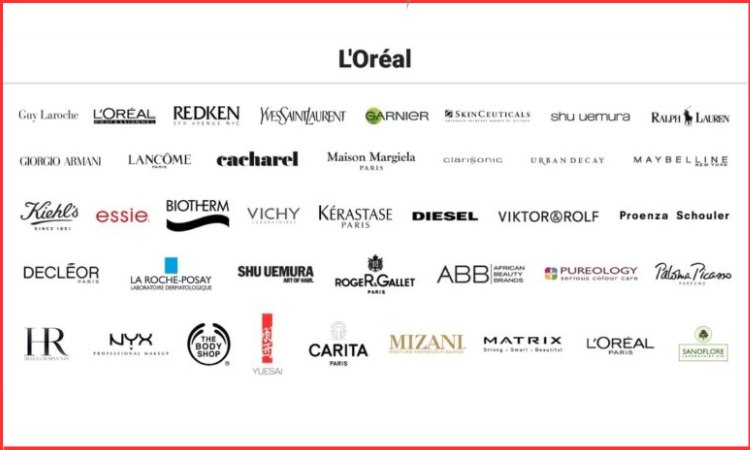
(Image Source: ecole)
| Brand | Focus Area | Price Range |
| Garnier | Skincare & Hair | Affordable |
| Maybelline | Makeup | Mid-range |
| Lancôme | Luxury Beauty | Premium |
| L’Oréal Paris | Makeup & Hair | Mid-range |
| Nyx | Trendy Makeup | Affordable |
| Kiehl’s | Skincare | Premium |
L’Oréal Business Strategy: What Makes It So Successful?
1. Diverse Product Range
They produce products for all types of customers. If a customer wants their daily-use products at the budget price point, they have them available. An example would be Garnier, which is go buy. If someone wants a high-end product, they have the Lancôme brand for people who appreciate high-end skin care and cosmetics.
2. Omnichannel Marketing
Their products are sold almost anywhere people buy their beauty items, in supermarkets, beauty stores, salons, and all the main online shopping websites. The brand connects with customers through social media. They work with influencers, run ads, and provide beauty tips and tutorials across Instagram and YouTube to reach younger buyers and maintain popularity with the next generation.
3. Sustainability focus
They would also like to help the environment. Under a plan called “L’Oréal for the Future,” the company has made some serious commitments:
- They want to only use recycled plastic in their packaging
- They want to be carbon neutral by 2030, with the goal of their operation causing no additional harm to the environment.
- They want to optimize water and energy use in their factories.
4. Beauty for All
They create products for different skin tones and hair types. For example, L’Oréal has foundations for light to deep skin shades and hair products for curly, straight, or wavy hair. This emphasis on inclusion makes all customers feel represented and valued, no matter their backgrounds.
Challenges Faced by L’Oréal
Despite being one of the largest beauty companies, L’Oréal still faces tough competition. Well-established brands like Unilever, Estée Lauder, and P&G continuously launch new products. Additionally, smaller beauty start-ups are gaining popularity by offering natural and handmade alternatives. In such a fast-moving and ever-changing market, L’Oréal must keep innovating and introducing new concepts to maintain its competitive edge.
L’Oréal is facing growing concern about its ethics and environmental practices. In the past, it has received criticism for animal testing and excessive use of plastic. However, L’Oréal is addressing these issues by phasing out most animal testing and progressing toward sustainable goals, such as using recycled packaging and reducing waste. Moreover, as the beauty industry continues to shift toward clean, safe, and cruelty-free practices, the company continues to evolve its approach and make conscious decisions for both people and the planet.
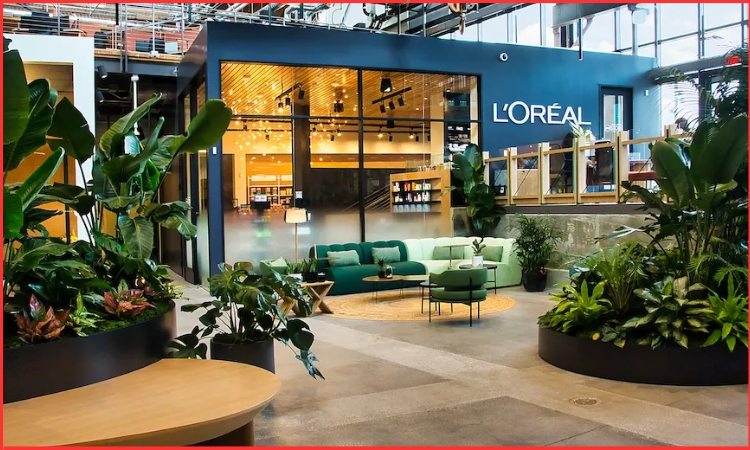
Digital Transformation of L’Oréal
Sources: glossy
Along with beauty products, it’s a tech-savvy brand. It uses:
- AI-based skin diagnosis tools
- Virtual try-on apps for makeup
- AR and VR for online shopping
- AI to analyze customer feedback
L’ORÉAL even refers to itself as a “beauty tech company.”
Conclusion
The L’Oréal success story showcases how great ideas, combined with strong effort and decision-making, can shape a truly global legacy. From the invention of one man to a company loved by millions, this journey shows how important it is for businesses to keep evolving and innovating with time. Today, L’Oréal stands not just for beauty, but also for trust and care. Its story is a reminder that with vision and determination, no matter how humble the beginning, we can build something meaningful for the entire world.
FAQs: L’Oréal success story
1. How did L’Oréal become a successful brand?
Answer:
L’Oréal became a successful brand through a combination of innovation, smart acquisitions, scientific research, and a deep understanding of global customer needs. By offering a diverse range of products across all price segments and investing in sustainability and technology, L’Oréal has built a strong global presence and earned consumer trust over the decades.
2. What is the history behind L’Oréal’s success?
Answer:
The L’Oréal success story began in 1909 when French chemist Eugène Schueller developed a safer hair dye formula. Starting as a small business in Paris, L’Oréal grew through research-driven products, strategic brand acquisitions, and international expansion to become the world’s largest beauty company.
3. Which brands are owned by L’Oréal?
Answer:
L’Oréal owns over 35 popular beauty brands, including Maybelline, Garnier, Lancôme, NYX, Kiehl’s, and L’Oréal Paris. These brands cater to various segments, from affordable to premium, and are trusted by consumers worldwide.