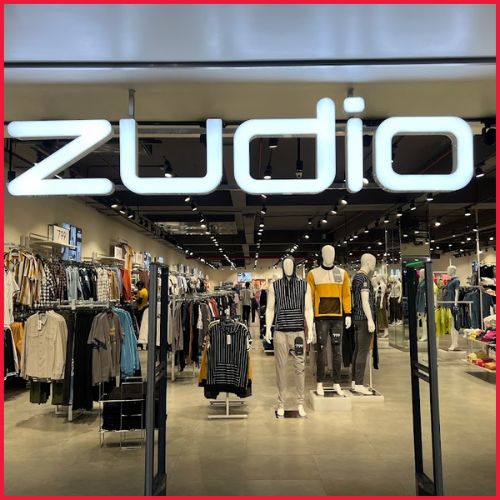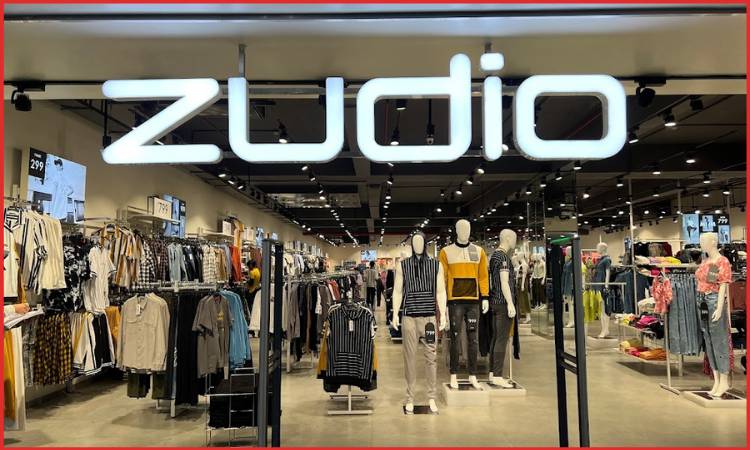
India’s fashion retail market is extremely competitive and price-sensitive. Consumers want clothing that looks good, lasts reasonably well, and fits into everyday budgets. While many international and domestic brands focus on premium pricing or heavy discount-driven sales, Zudio, a fashion brand from the Tata Group, chose a different path.
Zudio focused on affordable pricing, fast trend availability, and physical store presence, especially in smaller cities. Instead of trying to reinvent fashion, the brand simplified it. This practical approach helped Zudio emerge as one of the fastest-growing budget fashion brands in India.
What Is Zudio? Understanding Tata’s Budget Fashion Brand
Zudio is a value-fashion retail brand operated by Trent Limited, the retail arm of the Tata Group. The brand was created to serve mass-market Indian consumers who want trendy, everyday clothing without paying premium prices.
Zudio offers clothing for men, women, and children, along with footwear and basic accessories. The designs are trend-inspired, practical, and meant for regular wear rather than special occasions.
Most products sold at Zudio fall within the ₹199 to ₹999 price range, making the brand highly accessible for middle-income and value-conscious households across India.
Who Owns Zudio? Tata Group and Trent Limited
Zudio is owned by Trent Limited, a Tata Group company that also operates well-known retail brands like Westside and Star Bazaar. Trent’s long experience in Indian retail helped Zudio scale quickly while maintaining cost control.
Instead of chasing high margins, Trent positioned Zudio as a low-margin, high-volume business. This allowed the brand to focus on store expansion, efficient sourcing, and consistent pricing—key factors behind its rapid growth.
Why Zudio Was Launched: Identifying a Pricing and Consistency Gap
The Problem with Indian Fashion Retail
India already had affordable fashion brands such as Reliance Trends, Max Fashion, Pantaloons, and V2 Retail before Zudio entered the market. However, many customers still faced challenges.
Zudio identified a gap in pricing consistency, freshness of designs, and simplicity. While affordable options existed, customers often experienced fluctuating prices, excessive discounting, or inconsistent quality.
Zudio addressed this gap by offering clear pricing, frequent design refreshes, and predictable in-store experiences, which helped build trust among repeat customers.
Zudio’s Core Idea
Zudio’s philosophy is straightforward: good-looking clothes should be affordable and easy to buy.
The brand avoids complicated promotions, seasonal sales pressure, or premium positioning. Instead, it focuses on delivering value every day. This clarity has helped Zudio attract a wide customer base, including students, families, and working professionals.
Zudio Business Model: How the Brand Operates
Zudio follows a trend-responsive, fast-moving inventory model. Instead of producing large quantities of a single design, the brand releases limited batches and refreshes collections frequently. This keeps stores feeling new and reduces unsold inventory.
The brand also minimizes spending on traditional advertising. Store visibility, high-footfall locations, and word-of-mouth play a major role in attracting customers. These cost-saving measures help Zudio maintain low prices without sacrificing operational sustainability.
Zudio Company Overview
| Aspect | Details |
| Brand Name | Zudio |
| Parent Company | Trent Limited (Tata Group) |
| Industry | Fashion & Apparel Retail |
| Target Segment | Mass-market consumers |
| Price Range | ₹199 – ₹999 (most products) |
| Store Format | Offline-first retail model |
Zudio primarily operates through physical stores, with a strong focus on walk-in customers. While digital expansion is possible in the future, physical retail remains the brand’s core strength
How Zudio Keeps Prices So Low Without Losing Appeal
Zudio maintains affordability through strict cost control and operational efficiency. Centralized sourcing, large-scale manufacturing partnerships, and minimal packaging help reduce expenses.
Designs are inspired by current trends rather than expensive collaborations, which lowers design and licensing costs. Zudio also avoids heavy markdowns, choosing instead to price products affordably from the beginning.
Zudio vs Other Fashion Brands in India
| Brand | Price Positioning | Sales Channel |
| Zudio | Budget / Value | Offline-first |
| Westside | Mid-Premium | Offline + Online |
| H&M | Mid-Premium | Offline + Online |
| Reliance Trends | Mid-Range | Omnichannel |
Zudio clearly differentiates itself by focusing purely on value fashion for everyday wear, rather than aspirational or premium branding.
Rapid Store Expansion Across India
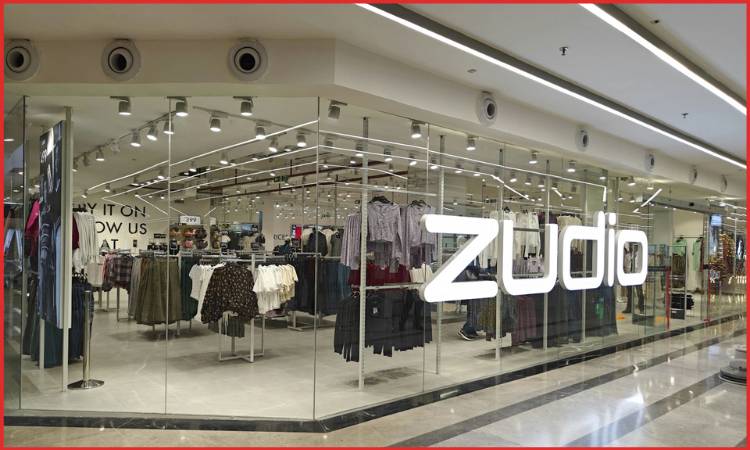
Zudio’s growth strategy relies heavily on physical store expansion, especially in tier-2 and tier-3 cities. These regions have strong demand for affordable fashion and less saturation from premium brands.
By opening stores in residential areas and local markets with high footfall, Zudio ensures consistent daily traffic. By 2025, the brand had expanded to several hundred stores across India, making it one of the fastest-growing retail chains in the country.
Why Zudio Has Limited E-Commerce Presence
Unlike many fashion brands, Zudio has chosen not to aggressively pursue e-commerce. Operating mainly offline helps the brand avoid costs related to logistics, returns, and deep online discounting.
In-store shopping also allows customers to see and try products immediately, improving satisfaction while giving Zudio better control over inventory and pricing.
Challenges Faced by Zudio
Zudio operates in a highly competitive market and faces challenges such as rising raw material costs and increasing competition in the budget segment. Maintaining low prices while scaling operations requires constant efficiency.
However, backing from the Tata Group and Trent’s retail expertise gives Zudio the ability to manage these challenges effectively.
Impact of Zudio on India’s Fashion Retail Industry
Zudio did not create a new fashion category, but it redefined and scaled the budget fashion segment. The brand proved that affordable clothing can be stylish, reliable, and consistent.
Its success has encouraged other retailers to rethink pricing strategies, inventory cycles, and store-focused growth models.
Future of Zudio: What Lies Ahead
(Image Source: entertales)
Zudio’s future growth is expected to come from deeper penetration into smaller cities and continued expansion of its physical retail network. While limited digital experiments may occur, affordability and accessibility will remain the brand’s core strengths.
With strong backing from the Tata Group, Zudio is well-positioned to remain a leader in India’s value fashion market.
Conclusion
Zudio’s success story shows that innovation does not always require premium pricing or heavy marketing. By understanding Indian consumers and executing a focused, disciplined strategy, Zudio has built a powerful brand in the budget fashion space.
Its journey highlights how simplicity, scale, and consistency can drive long-term success in one of the world’s most challenging retail markets.
FAQs
Q1. Is Zudio part of the Tata Group?
Yes, Zudio is operated by Trent Limited, which is part of the Tata Group.
Q2. Why is Zudio cheaper than many other brands?
Zudio follows a low-margin, high-volume model with strong cost control.
Q3. Does Zudio sell online?
Currently, Zudio focuses mainly on physical stores.
Q4. Who is Zudio’s target audience?
Zudio caters to mass-market consumers across all age groups.
Q5. Will Zudio expand outside India?
As of now, the brand’s focus remains on domestic expansion.