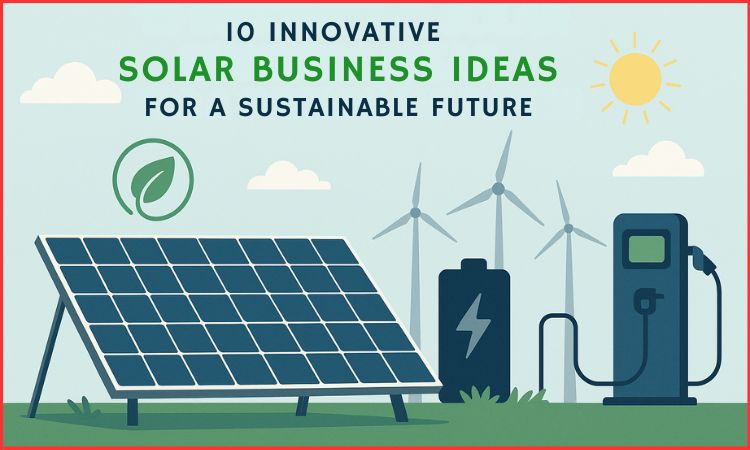
As society comes to terms with the pace of climate change, increasing fuel prices, and rising energy demand, renewable energy is increasingly being seen as a necessity rather than a choice. Of all clean energy sources, solar is likely to be the cheapest, most scalable, and sustainable energy source. Indeed, according to the International Energy Agency (IEA), by 2050, solar is projected to be the biggest source of electricity in the world, accounting for over 22% of global power generation.
In addition to the need for solar energy in the energy transition, the speed of this restructuring of the energy system suggests golden opportunities for entrepreneurs, start-ups, and investors to develop and establish businesses across the sector. Unlike traditional industries, the solar energy sector not only offers the opportunity to generate profits but also provides socially and environmentally positive effects. From urban homes to rural villages, from technology devices to mega-sized solar farms, the potential applications for solar are endless.
This article will discuss 10 disruptive solar business ideas to consider as part of the energy future, along with case examples, data insights, and growth opportunities.
1. Installation of Solar Panels for Homes
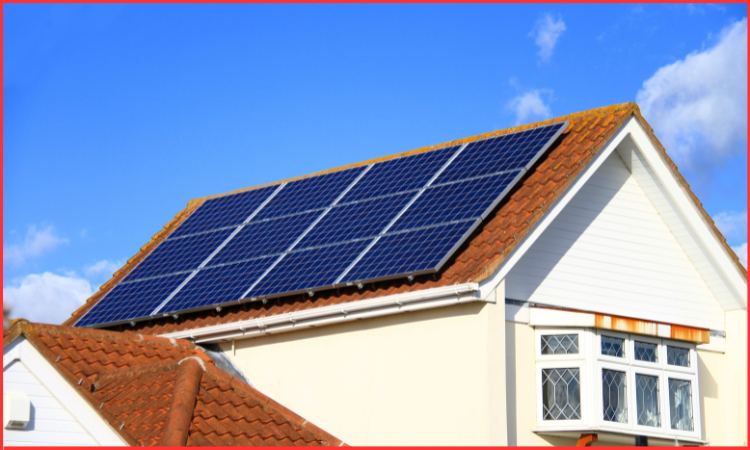
One of the fastest-expanding segments of renewable energy is rooftop solar installation for homes.
- Why it’s popular / factors driving growth: Utilities are charging increasingly higher electric bills, and governments are providing tax rebates and incentives for living in a solar home.
- Scope of service: Companies can provide end-to-end solutions, including site surveys, installations as per customer specifications, financing options, and post-installation maintenance.
- Market data: As part of its energy transition process, the Government of India has a target of achieving rooftop solar capacity of 40 GW by 2030, and the US residential solar market is growing by a CAGR of 16%.
Tip: You may want to associate your installation business with a smart solar monitoring app to enhance the consumer experience and value.
2. Solar-Powered EV Charging Stations
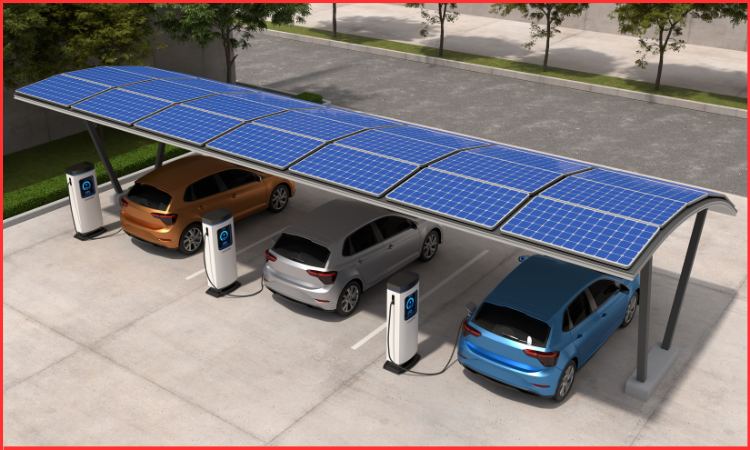
With the increase in EV adoption on a global scale, the demand for green charging infrastructure is a hot subject matter.
- Concept: Energy companies to set up solar-powered chargers in parking lots, highways, and residential societies.
- Why that will be important: Currently, a majority of EV charging has and will still rely on the grid. Although utilities provide electricity to charge EVs, existing renewable energy may not even be related to fossil fuels. Solar panels will provide a cleaner, separate, and more expense-effective option to charge an EV on location.
- Opportunity: India is expected to have 10 million EVs on the road by 2030, representing a multi-billion dollar market in charging services.
The entrepreneurial community may partner with EV manufacturers, local governments, or commercial real estate developers to turn this idea into a viable business.
3. Solar Microgrids for Electrifying Rural Areas
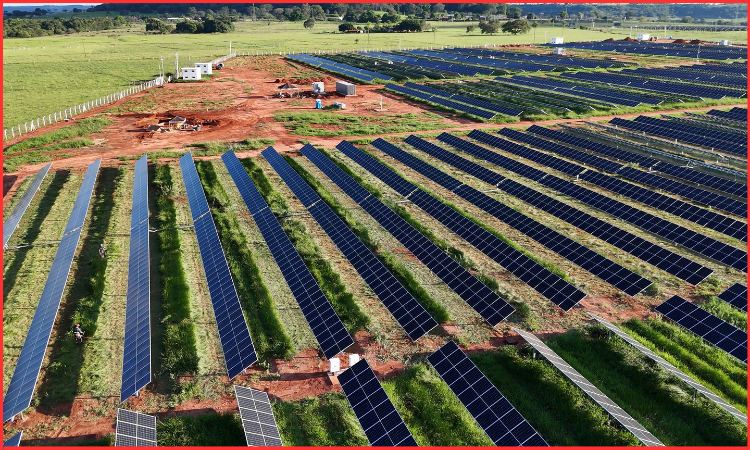
Approximately 770 million people worldwide lack access to electricity, largely in Africa and Asia. Solar microgrids could change that.
- What is it? A decentralized solar energy supply that meets electricity consumption needs in small communities.
- Impact: Benefits poor households, schools, hospitals, and businesses in off-grid areas.
- Business model: Microgrid projects are typically financed by the government, NGOs, and impact investors (so entrepreneurs can create a social enterprise business model).
For example, companies such as Oorja and Mera Gao Power have had great success creating solar microgrids for poor villages in India.
4. Solar-Powered Appliances
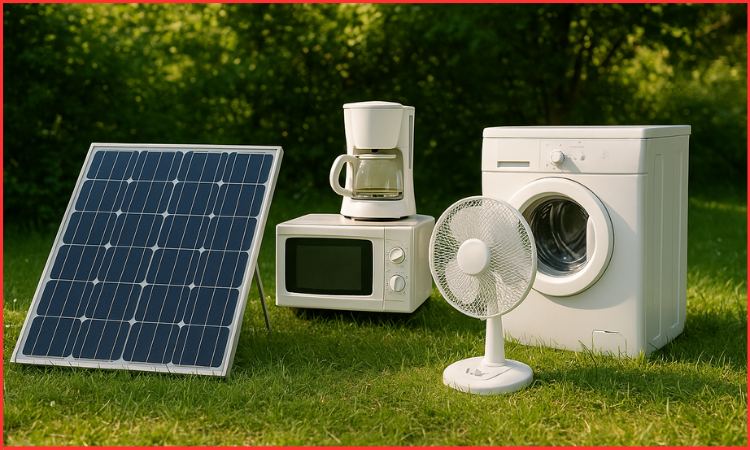
There is a consistent global demand for solar-powered appliances for both urban and rural markets!
Examples of which could include:
- Solar hot water heaters
- Solar cookers
- Solar refrigerators
- Solar lights/streetlights
- Urban markets: Eco-conscious households that want to limit energy consumption.
- Rural markets: Affordable solar appliances purchased by families that do not have a 24/7 electricity supply.
Tip: If you want to grow your company quickly, explore partnerships with e-commerce platforms (e.g., Amazon or Flipkart) to sell appliances.
5. Solar Farm Development
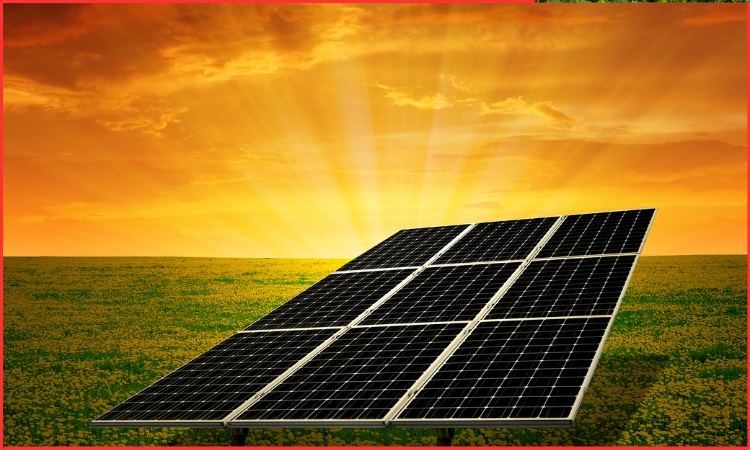
If you possess ample capital, then solar farms are an excellent business opportunity for developing a utility-scale solar project.
- Concept: Large expanses of solar panels generate energy for sale to the grid or to an industrial partner.
- Growth statistics: The solar farm market could be worth approximately $458 billion by the year 2030.
- Example: The Bhadla Solar Park (2,245 MW) in Rajasthan, India, is one of the largest solar parks in the world.
Governments around the world are providing land leases, subsidies, and incentives for solar farms.
6. Solar-Powered Desalination Plant or System
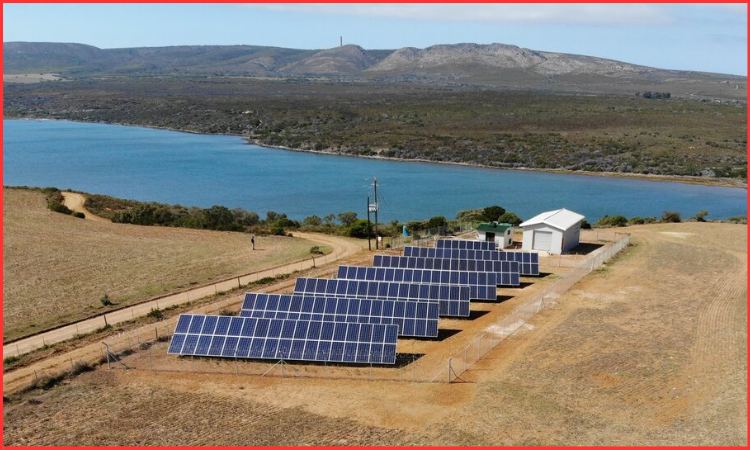
Image source- Earth.org
The issue of water is going to be an increasingly important one, and it is predicted that by 2025, one-half of the population of the world will live in a distressed area for water availability. Solar desalination may be part of a sustainable solution.
- How Solar Works: Solar thermal energy generates fresh water from seawater.
- Where it helps: Coastal cities, islands, and dry regions that exist in arid climates.
- Business Case: Ties renewable energy to water sustainability, of interest to governments and NGOs, for example.
Example: Saudi Arabia is exploring solar desalination plants as a way to reduce dependence on fossil fuels.
7. Solar-Powered Cold Storage for Agriculture
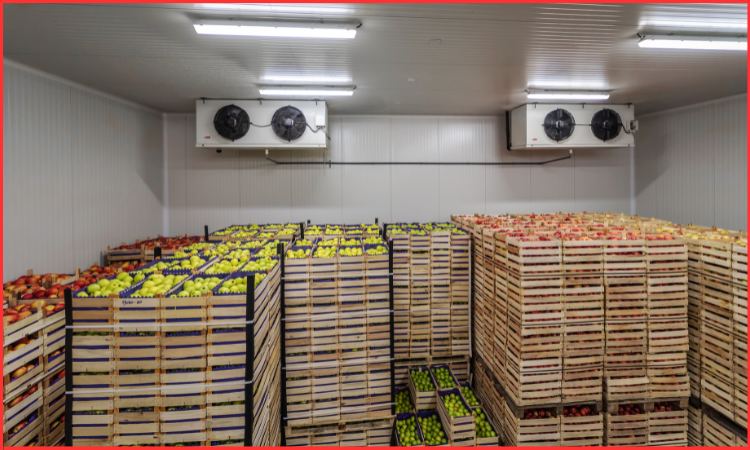
In developing countries, postharvest agricultural losses on average are significant, with estimates of losses of 30-40%. A major cause is poor refrigeration or lack of refrigeration.
- The solution is solar-powered cold storage containers that will freeze or chill fruits, vegetables and dairy, and fish.
- Impact: Reduce food waste and improve income sustainability for farmers, and help ease some food insecurity.
- Business Model: It may work as a pay-per-use service to smallholders.
Example: Startups such as Ecozen in India are providing similar solutions to rural settings.
8. Solar-Powered Smart Gadgets
Millennials and Gen Z are driving the demand for portable solar gadgets.
Specific products that are beginning to rise are
- Solar mobile phone chargers
- Solar smartwatches
- Solar lanterns for camping
- Solar backpacks that have charging ports
- Market trend: Outdoor enthusiasts, as well as eco-aware youth, are prompting a purchase of these gadgets.
- Business benefit: Solar gadgets may be low-cost to start a sale without having high-level sales through online distribution.
9. Hydro Solar Farms
Because of our limited land, hydro solar projects are on the rise on lakes, reservoirs, and dams.
Here are the advantages you can add up:
- Reduced land costs
- Reduced evaporation of your water supply
- Natural cooling benefits that improve efficiency
- Growth potential: The installed capacity of global float solar could reach over 13 GW by 2030.
One of the case studies: The India NTPC Ramagundam Project, is one of the biggest floating solar projects in our world.
10. Solar Consultancy & Financing Services
There are many companies and/or individuals who want to go solar but do not have the technical understanding and/or finances.
- Opportunity: A firm providing a site-specific feasibility study with regulatory compliance consulting and system design consulting services.
- Financing device: A firm creating financing through leasing mechanisms or EMIs (or pay-as-you-go mechanisms).
- Growth scope: As demand grows exponentially, demand for consulting services will also grow.
This is an ideal model for professionals for a low-investment, governance-knowledge business model.
Comparative Table: Solar Business Ideas
| Business Idea | Investment Level | Target Market | Growth Potential |
| Residential Solar Installation | Medium | Homeowners | High |
| EV Charging Stations | Medium-High | EV Owners, Cities | Very High |
| Solar Microgrids | High | Rural Communities | High |
| Solar Appliances | Low-Medium | Urban and Rural Consumers | High |
| Solar Farms | Very High | Utilities, Industries | Very High |
| Solar Desalination | High | Coastal & Water-Scarce Regions | Medium |
| Solar Cold Storage | Medium | Farmers, Agri-Businesses | High |
| Solar Gadgets | Low | Youth, Travelers | Medium |
| Floating Solar | High | Power Sector | High |
| Consultancy & Financing | Low | Businesses, Homes | High |
Guide: Steps to Launching a Solar Startup
- Choose a niche: product (devices, appliances and systems) versus infrastructure (installers, farms).
- Conduct a market analysis: demand, competition, and local policy analysis.
- Build connections: suppliers, technology partners, and/or the local government.
- Raise capital: loans, investors, and/or government rebates for your startup.
- Begin the compliance process: safety, quality, and/or renewable portfolio standards.
- Build a team: executive and skilled workers (technicians and engineers).
- Market and brand your startup: digital marketing, public education, and/or eco-friendly branding.
- Scale when appropriate: start small, test and validate your model, then scale.
Conclusion
The solar industry is not merely a trend; it is the backbone of the future energy economy. The opportunities presented by solar-industrial solutions and products for homes and businesses involve everything from utility-scale solar developments to smart technologies for everyday life and convenience. One of the best aspects of the enormous potential in the solar industry is the ability to innovate, make money, and make a difference. Entrepreneurs who explore Solar Business Ideas today can create profitable ventures while contributing to a sustainable future.
For marketers, the winning formula is innovation + cost + accountability. Those who are first to deploy solar solutions and implement creative Solar Business Ideas will do well in business while simultaneously leading the way toward a cleaner, greener, and more sustainable planet.
FAQs: Solar Business Ideas
1. Which solar business requires the least upfront investment?
Businesses that do not involve system installation, such as solar gadgets, consulting, and selling small solar appliances, require the least capital and are easiest to scale online.
2. What are the government incentives for solar businesses?
Most governments offer tax credits and subsidies for adopting solar energy.
3. Is solar energy profitable in rural areas?
Yes, especially for microgrids, cold storage, and appliances in areas with inconsistent grid electricity.
4. Are there risks in the solar business?
Challenges include high upfront costs, software upgrades, and regulatory compliance. However, long-term returns are strong.
5. How large is the global solar market?
The global solar energy market was valued at $170 billion in 2023, with a projected CAGR of 20% through 2030.