Source: themorningcontext
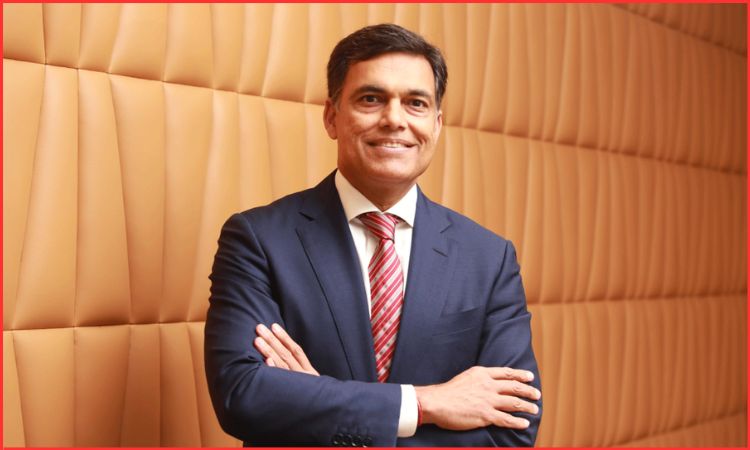
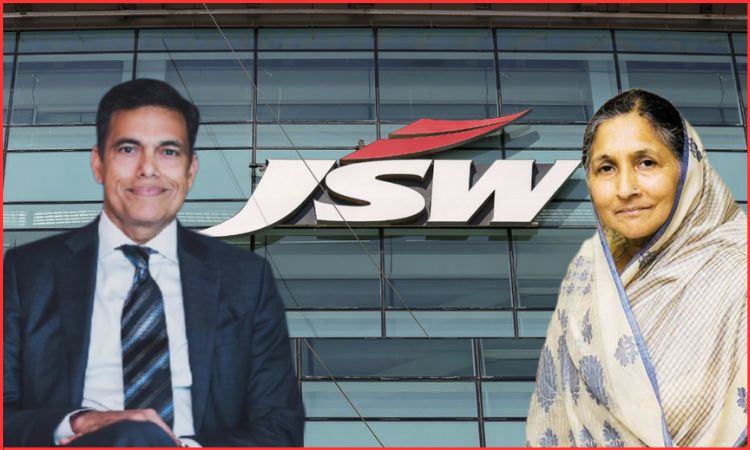
Sajjan Jindal is the genius behind JSW Group, which is one of India’s fastest-growing industrial conglomerates. JSW has pivoted, under his guidance, from a small steel producer into an empire of diverse interests, from steel and energy to cement and infrastructure and other emerging industries. Sajjan has been able to mesh an industrial scale of production, technological innovation, and sustainability to make JSW a household name in India and globally. This article will cover the emergence of the empire, detail the unique mesh of operations, and outline key takeaways from Sajjan’s journey.
Early Life & Entry into Business
Family Background and Business Perspective
Sajjan Jindal comes from a Jindal business family already active in the steel business. He came to the business with a perspective for scale and innovation. Instead of only continuing a legacy, he pushed to modernize or upgrade modernizing plants, move into value-added steel products, and develop a global footprint.
Initial Strategic Moves
- Capacity Expansion: Increasing production capabilities across India.
- Mergers and Acquisitions: Building a foundation for diversification.
- Efficiency Improvements: Optimizing operations for scalability and global competitiveness.
JSW Steel Strategic Ventures Under Sajjan Jindal
Source: financialexpress
Enhancing Capacity and Expanding Product Lines
- JSW Steel has several manufacturing facilities located in Karnataka, Tamil Nadu, and Maharashtra, with an installed capacity of approximately 18 MTPA of steel.
- Nearly 40% of its steel products are sold with a “value-added” STEEL (specialty steels, coated steels, electrical steels, etc.) focus and JSW Steel’s future target is 50% value-added steel.
Global Business Reach and Exports
- JSW Steel has a strong export business, exporting steel to over 100 countries on 5 continents, making it one of the largest exporters of steel from India.
- JSW also has an international business in mining (e.g., iron ore/mining properties) and value-added operations outside India.
Diversification Beyond the Steel Industry
- JSW Group is a US$23 billion in assets conglomerate, with business segments comprising Energy, Cement, Infrastructure, Paints, Realty, Sports and more segments.
- As part of a combination strategy, JSW has entered non-steel metal industries to benefit from the downturn in demand or pricing in the steel industry (e.g., copper mining in Jharkhand).
Focus on Technology and Sustainable Practices
- JSW Steel has adopted a number of modern methods of producing steel, such as Corex, DRI (Direct Reduced Iron), Blast Furnaces and others.
- Sustainability is also a key pillar of JSW Steel’s operation: the company has joined the responsible steel standard, committed to carbon-neutral goals by 2050, and practices environmental governance.
Growth, Size, and Recent Achievements of JSW Group
| Metric | Figure/Achievement |
| Annual Revenue | Approximately US$23 billion for JSW Group. |
| Employees | ~ 37,000 – 40,000 across businesses. |
| Export Markets | Presence in over 100 countries across 5 continents for steel products. |
| Awards/Recognition | Sajjan Jindal was awarded Business Leader of the Decade by AIMA for his leadership. |
Challenges Faced by Sajjan Jindal and JSW
- Raw Material Cost Volatility: The instability of raw material costs, raw materials for steelmaking, and steel demand from around the world made it uncertain what margins they could make for margins. JSW was proactive in accepting this obstacle by diversifying their production with value-added products with better margins.
- Compliance with Global Regulations: “Dealing with the requirements of environmental compliance worldwide.” JSW is a member of ResponsibleSteel and is committed to working together to solve environmental requirements related to sustainability.
- Diversifying Risk Across Industries: New markets such as cement, energy, non-ferrous mining, and electric vehicles necessitate the development of new practices and technologies. JSW does this by drawing on its core competencies and investing in technologies and partnerships with others.
- Ensuring Raw Material Supply: Steel uses inputs (iron ore, coal, etc.). JSW has backward integrated (mining, resource) the value chain to ensure that they have a supply of all the necessary inputs.
Impact and Legacy of Sajjan Jindal
Source: bwhindi
- Leadership in India’s Steel Industry: JSW Steel, under the leadership of Sajjan Jindal, has become a low-cost producer and the largest exporter of steel in the country.
- Job Creation and Skill Development: The expansion of JSW has brought thousands of direct and indirect jobs to many parts of the country, even in some remote areas. Also, JSW has invested significantly in technology, operations, and research and development, raising the skill levels within the communities.
- Advancing Sustainability: JSW will become a leader in steel industry expectations with regard to compliance with the environmental laws and regulations, in the face of any decisions to reduce emissions in the industry, and as a responsibly charitable corporate citizen in following in all of the communities in which they reside.
- Model for Industrial Diversification: Many other industrial companies look at JSW as a role model for growth, starting from a structure of steel and then expanding into other industries, while still maintaining the core identity of steel.
Conclusion
Sajjan Jindal has taken JSW from a focused steel company to a billion-dollar conglomerate, holding onto three primary principles: to grow wisely, innovate, and lead sustainably. He built a strong export business, spread the risk of the business, and continued to see sustainability as important. To many observers, Jindal’s contorts and business model reflect how to develop an industry with sustainability in mind. JSW represents more than a brand in the steel industry; it is emblematic of India’s journey toward a diversified, environmentally conscious, and globally focused future in industry.
FAQs
Q1. What does Sajjan Jindal propose to create profit for JSW in steel?
He is proposing value-added steel, secure backward integration (mining and captive raw materials), global exports, and low-cost technology.
Q2. How entrenched is JSW outside India?
JSW exports to 100+ countries and value-added facilities and mining assets outside India, thereby making them a true global player in steel.
Q3. What is JSW doing to be more sustainable?
They are members of ResponsibleSteel, they are committed to carbon neutrality by 2050, they are utilizing green technologies, and they are complying with global ESG (Environmental, Social, Governance) frameworks and practices.
Q4. Why has JSW made investments in copper mines?
JSW made sure not to have risk concentrated in steel alone; they obtained access to non-ferrous metals, and they are focused on strengthening their portfolio of industrial segments. Copper will be a driver in electrical infrastructure, EVs, and the green transition.
Q5. What awards or recognition has Sajjan Jindal received?
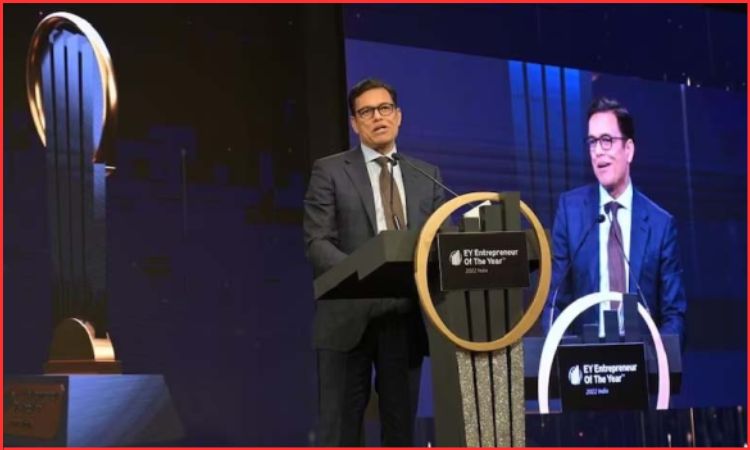
He was awarded Business Leader of the Decade at the 15th AIMA Managing India Awards, EY defined him as “Entrepreneur of the Year 2022,” and others.