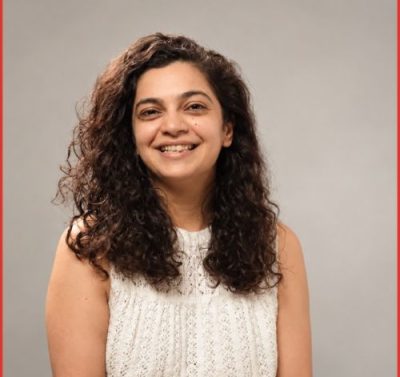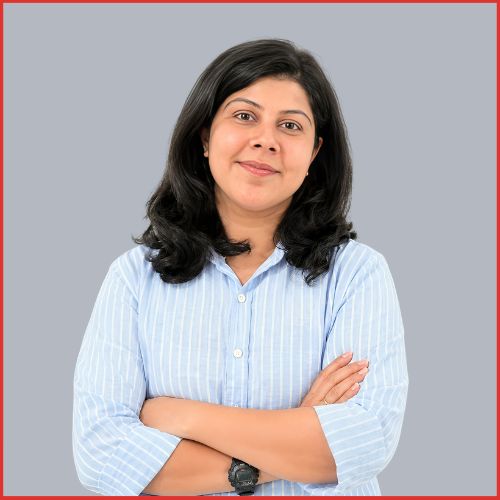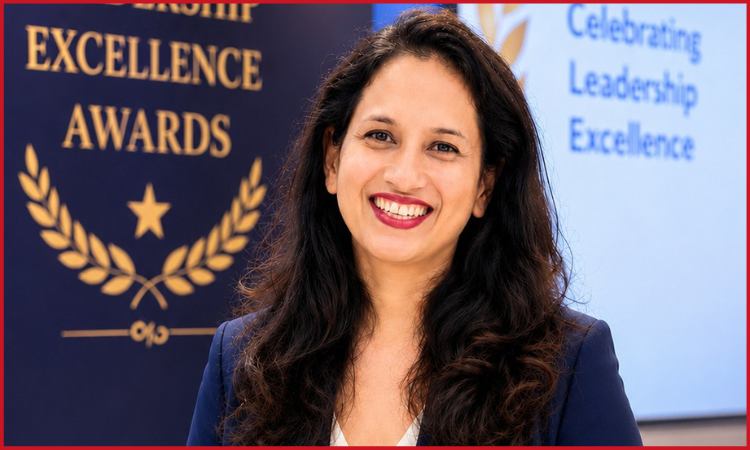
With over 14 years of HR leadership across diverse industries, Rashmi Shrinivas Parkar is shaping future-ready workplaces where technology and human potential grow together.
In an era where technology is redefining the workplace, organizations need leaders who can balance innovation with human connection. Rashmi Shrinivas Parkar has spent more than 14 years doing exactly that—building high-performing teams, fostering inclusive cultures, and aligning people strategies with business success.
Companies are built by brilliant minds that tend to exceed boundaries for the best possible products and services. Sometimes these visionaries go the extra mile and open their doors to new ideas that could evolve the systems. That is when talented employees get into the shoes of a founder and lift the company as their own. It is of utmost importance for a company to hire a skilled individual, and a human resource professional plays a vital role in this case.
We are collaborating with Rashmi Shrinivas Parkar, who has been an HR leader for over 14 years. She has worked in industries like information technology, automation, oil & gas, infrastructure, marine engineering, telecommunications, banking, and manufacturing. Her expertise allowed her to lead organizations with 100 to 3,000 employees. While Rashmi was working at J.P. Morgan, the employee strength was about 9,000. Most importantly, she believes in the power of a creative and skilled mind. And that is why her professional prowess has always leaned towards trust and empathy for a company’s biggest investment, its employees.
Rashmi Parkar: “Today, as HR Head at Feat Systems, I am focused on building future-ready workforces that can thrive in an era driven by artificial intelligence, automation, and digital transformation.”
While trying to understand a little more about her career, Rashmi shared how she navigated intricate HR systems that handled people of diverse cultures and nationalities, especially in the Middle East. She has experienced firsthand how her trust in employees gave them the confidence to progress in their careers and transform themselves into valuable assets for the company. Today, Feat Systems is powered by technologies such as AI, Agentic AI, automation, and data analytics, enabling greater efficiency and streamlined workflows. Complementing her professional experience is an impressive academic foundation. Rashmi holds an MBA in Human Resources from Symbiosis Institute of Management, along with an LLB, M.Com, Advanced Diploma in Training & Development, Diploma in Human Resource Management, and a B.Com degree.
Rashmi Parkar has built high-performing teams, strengthened leadership development programs, strategized business expansion, and built a culture of collaboration. Her forward-thinking approach has helped transform HR into a strategic function that nurtures talent, develops leaders, and creates opportunities for future professionals to thrive. There were numerous times when her resilience was tested, and she kept on being an advocate of continuous learning and adapted to changing labor laws. The true measure of a leader lies in the impact they create and the people they inspire.
The testimonials about Rashmi Parkar speak for themselves:
“Rashmi possesses a rare combination of strategic thinking and people-centric leadership. Her ability to align HR with business objectives has consistently delivered exceptional results.”
“Her commitment to employee development and organizational excellence creates a positive impact across all levels of the organization.”
“Rashmi is a transformational HR leader who brings structure, innovation, and empathy to every initiative she undertakes.”
As workplaces continue to evolve through AI, automation, and digital transformation, Rashmi Shrinivas Parkar remains committed to creating environments where innovation and people thrive together. Her journey stands as a testament to the power of strategic leadership, resilience, and a people-first mindset in shaping the organizations of tomorrow. Reflecting on the future, she shares, “Technology may drive the future, but people will always remain the heart of every successful organization.”