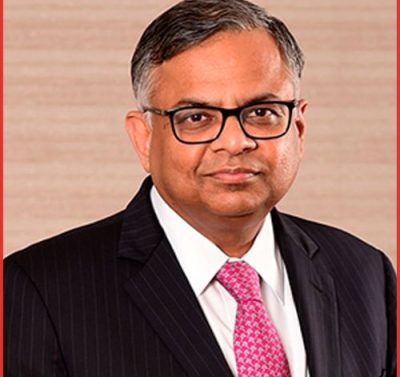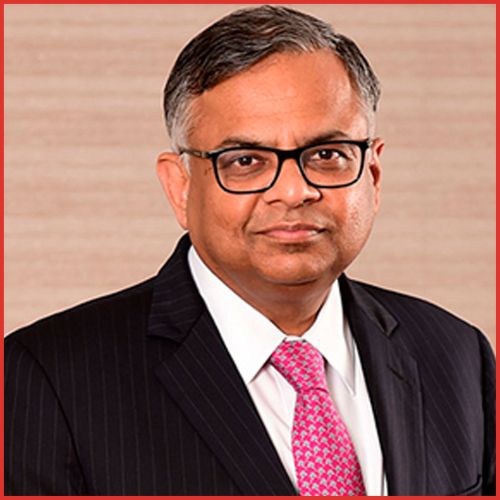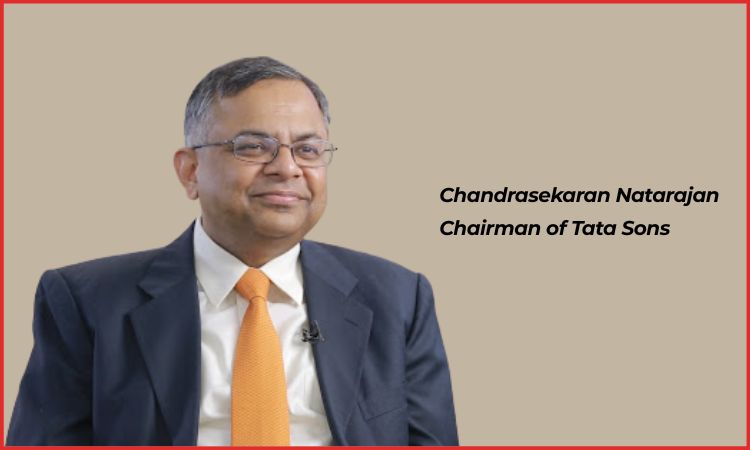
Chandrasekaran Natarajan commonly known as N Chandrasekaran, has one of the most inspiring stories of corporate leadership in India today. His career began as a young engineer at Tata Consultancy Services (TCS), and he has since become the Chairman of Tata Sons, the holding company of the over $100 billion Tata Group. He has exemplified discipline, long-term thinking, and leadership that reflect the values of the Tata Group throughout his journey to this point.
Chandrasekaran is also unique because he built his career over 40 years of loyalty to the Tata ecosystem, which is rare in today’s corporate world, where people change jobs every two or three years. Chandrasekaran serves as an example of how loyalty, capability, and trust can be achieved through continuous growth and development within the same organisation.
Early Life and Education of N Chandrasekaran
Chandrasekaran Natarajan grew up in a humble home in Tamil Nadu. He had been instilled with values of honesty and hard work from his family. These have all helped shape how he has led others since that time.
He completed:
- A Bachelor’s degree in Applied Sciences
- A Master’s degree in Computer Applications (MCA)
He began his professional journey in the world of technology at a time when the Indian IT industry was still very new. This demonstrates his ability to look ahead and plan for the future.
Joining TCS: The Beginning of a Transformational Journey
Chandrasekaran entered the ranks of Tata Consultancy Services (TCS) as a Software Engineer in 1987 and helped build the firm into one of the most reputable global IT services firms over the course of a few decades.
The growth of his career at TCS was always consistent and was based on merit; he focused on execution, building client relationships and operational excellence while establishing the trust of senior leaders instead of focusing mostly on his own promotion.
Chandrasekaran as CEO of TCS: A Defining Era
As CEO & MD of TCS since 2009, Chandrasekaran has led TCS through very difficult times, including recovering from a financial disaster, as well as steadily growing the company at a high pace in a very turbulent IT market.
Under his leadership:
- TCS crossed $20 billion in annual revenue
- Became India’s most valuable listed company for a period
- Expanded aggressively into digital transformation, cloud, and AI services
- Strengthened long-term relationships with global clients
Under Chandrasekaran’s leadership, TCS has adhered to a leadership principle of managing “scale” along with “stability.” This has helped TCS achieve its impressive revenue growth, while preserving TCS’s unique culture.
Key Achievements at TCS
| Area | Impact |
| Revenue Growth | Multi-fold increase during his tenure |
| Global Presence | Expanded operations across continents |
| Digital Strategy | Early focus on cloud, analytics & AI |
| Talent Management | Built strong leadership pipelines |
| Market Value | Positioned TCS as a global IT leader |
Appointment as Chairman of Tata Sons
In 2017, Chandrasekaran was appointed Chairman of Tata Sons, becoming the first person from within the group’s professional management to lead the entire Tata conglomerate.
This appointment was significant because:
- Tata Group operates across steel, automobiles, IT, aviation, retail, power, and consumer goods
- The group was undergoing structural and strategic changes
- Stability and credibility were critical at that moment
Chandrasekaran’s Leadership at Tata Sons
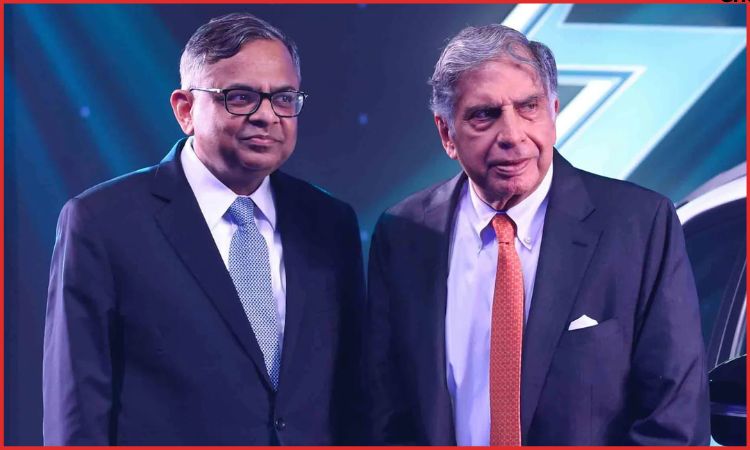
As Chairman, Chandrasekaran focused on simplifying complex group structures, improving capital allocation, and strengthening governance.
His key priorities included:
- Consolidating businesses to improve efficiency
- Reviving legacy companies like Tata Steel and Tata Motors
- Scaling high-growth areas such as digital, EVs, and aviation
Major Strategic Moves Under His Chairmanship
| Initiative | Outcome |
| Tata Airlines Revival | Formation of Air India Group |
| Digital Push | Strong focus on AI, data, and platforms |
| EV Strategy | Accelerated electric vehicle investments |
| Retail Expansion | Growth of Tata Digital & Tata Neu |
| Governance Reforms | Clear accountability across companies |
Leadership Style: What Makes Chandrasekaran Different
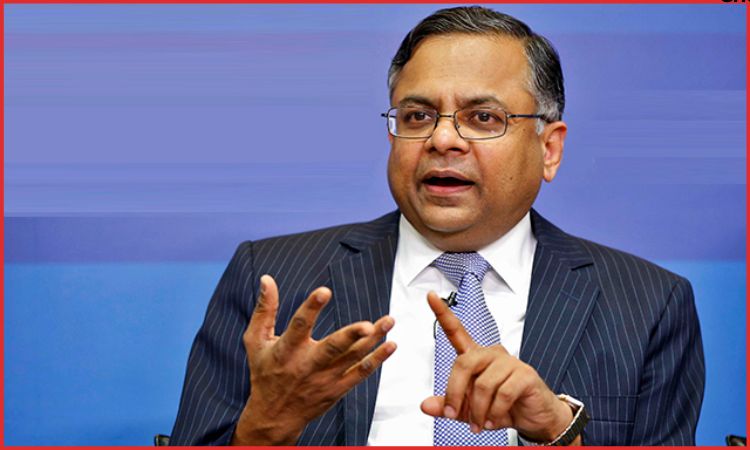
(Image Source: vccircle)
Chandrasekaran is known for his low-profile yet high-impact leadership. He avoids the media spotlight and focuses on outcomes rather than narratives.
Key traits of his leadership include:
- Calm decision-making under pressure
- Data-driven thinking
- Respect for institutional values
- Long-term strategic vision
N. Chandrasekaran Net Worth and Recognition
The N. Chandrasekaran Net Worth reflects his long and successful corporate leadership journey. Natarajan Chandrasekaran, the Executive Chairman of Tata Sons, is counted among India’s highest-paid corporate executives.
In FY25, his total compensation was reported at around ₹155 crore (approximately US$18.5 million). This package includes his fixed salary along with commissions based on company profits. The N. Chandrasekaran Net Worth is largely influenced by his leadership role within the Tata Group and his decades of contribution to India’s corporate sector.
His earnings and recognition highlight the value placed on experienced leadership and strategic decision-making in one of India’s most respected business conglomerates.
Why Chandrasekaran’s Journey Matters Today
In a world obsessed with quick success, Chandrasekaran’s story highlights the power of:
- Patience
- Capability-building
- Ethical leadership
- Institutional trust
His rise from a TCS engineer to Chairman of Tata Sons is especially relevant for professionals aiming for long-term careers in large organizations.
Lessons Professionals Can Learn from Chandrasekaran
- Growth comes from consistency, not shortcuts
- Leadership is about enabling others
- Values matter more during crises
- Deep expertise beats frequent job hopping
Conclusion
Chandrasekaran Natarajan is an exemplary leader within India’s corporate world, which encompasses strong confidence, a clear strategic vision, and a strong commitment to values. His transformation from engineer at TCS to Chairman of Tata Sons is not only an individual accomplishment but also serves as a blueprint for creating sustainable enterprises that are driven by values.
As the Tata Group continues through its growth and expansion globally into the next phase, the impact of Chandrasekaran’s style of leadership will influence future generations of Indian businesses on the international landscape.
FAQs
Q1. Is Chandrasekaran the first Tata Chairman from TCS?
Yes, he is the first Tata Sons Chairman who rose entirely through professional management.
Q2. How long did Chandrasekaran work at TCS?
He spent nearly 30 years at TCS before becoming Tata Sons Chairman.
Q3. What industries does he oversee as Tata Chairman?
IT, steel, automobiles, aviation, retail, power, consumer goods, and more.
Q4. Is Chandrasekaran involved in day-to-day operations of Tata companies?
No, he focuses on strategy and governance while empowering CEOs.
Q5. Why is his leadership considered unique?
Because it combines technical expertise, humility, and institutional thinking.