Malavika Hegde: The Woman Who Revived Café Coffee Day is an inspiring story of power, persistence, and business transformation. When Café Coffee Day (CCD) was reeling in debt and uncertainty, it was Malavika, an unexpected but enormous source of strength, who made a means of bringing it back to life.
Following the untimely passing of her husband, V.G. Siddhartha, in 2019, the brand faced public criticism, insolvency, and the possibility of being shut down. However, Malavika was not going to let the dream of her husband die. Although she had never served as a CEO before, she joined CCD. It was a response of resilience, intention, and deep-seated knowledge of the brand’s foundation. She was not merely ‘saving’ a brand, but rebuilding trust in the brand, both internally and externally.
This article explores the inspiring story of Malavika Hegde, the woman who brought Café Coffee Day back to life, and how her leadership transformed the future of India’s most loved coffee chain.
History of Café Coffee Day
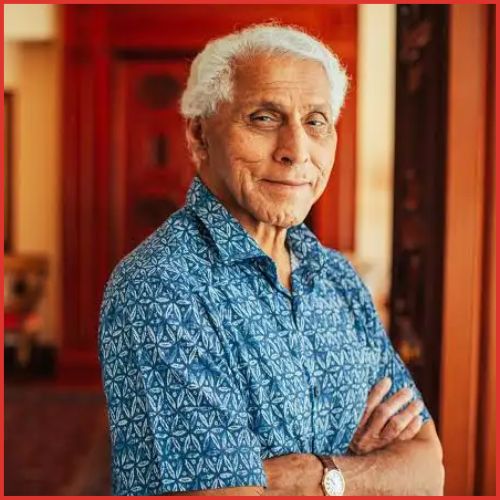
Before Malavika Hegde became a newsworthy event, the iconic café chain was in trouble. Founded in 1996 by V.G. Siddhartha, Café Coffee Day became the go-to spot for affordable coffee and a casual hangout with friends in India. With thousands of outlets nationwide, CCD has defined India’s urban café culture.

Source: Reuters
By the end of the 2010s. Issues began to arise. Debt continued to accumulate, there was poor financial management, and there was fierce competition from global brands like Starbucks and new start-ups.
This situation worsened when Siddhartha died tragically in 2019. The reputation of CCD had fallen sharply; the brand’s leadership credibility suffered significantly, and investors and customers had moved on and turned away.
At that point, CCD required more than business fixes; it needed to be completely revived from the ground up. Enter Malavika Hegde to restore the brand at its most challenging time.
Malavika Hegde’s Story to Become CEO of Café Coffee Day
Malavika Hegde rise represents not just a corporate turnaround but also a profound personal transformation. Before being of CEO of Café Coffee Day, Malavika was largely a supportive wife to V.G. Siddartha, the founder of CCD.
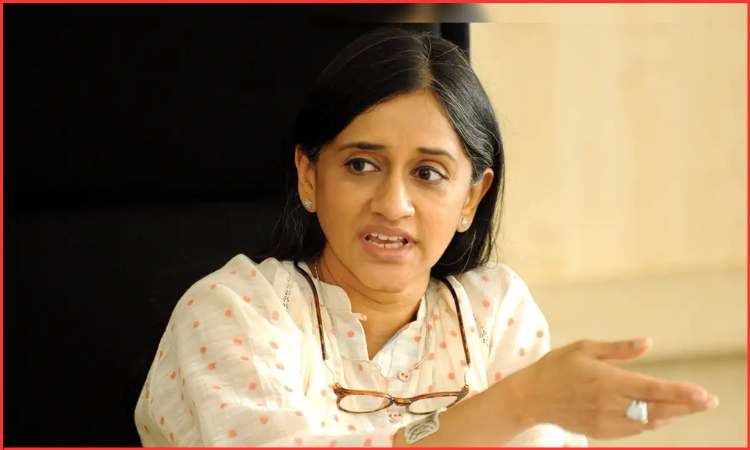
Source: Economic Times
With an engineering degree and a steady demeanor, she understood the people, values, and operations of the brand. That being said, no one could have prepared her for what developed after the untimely death of Siddhartha in 2019.
During this period of instability, leadership roles were uncertain and fragmented. Many expected an outside turnaround expert, but Malavika turned to lead the business. In December 2020, she officially took over the leadership of Coffee Day Enterprises Ltd.
Malavika’s decision was not just rooted in a sense of obligation, but rather it was a sense of duty to preserve her husband’s legacy and to protect the livelihoods of thousands of CCD employees. There is no doubt, she was the silent force behind an extraordinary turnaround.
7 Key Strategies Malavika Hegde Used to Revive Café Coffee Day
Here’s how Malavika Hegde transformed Café Coffee Day:
1. Huge Debt Reduction
- Cleared over ₹1644 crores in debt as of 2021
- Negotiated restructuring strategies and plans with bank and investor partners to reduce liabilities
2. Operational Efficiency
- Closed non-performing outlets
- Focused on high-traffic and profitable locations
3. Brand Repositioning
- Developed a brand strategy for CCD as a lifestyle café
- Positioned CCD from a budget café to a value-driven café
4. Sustainable Coffee Sourcing
- Raised awareness for the ethical and local sourcing of coffee from Indian estates
- Gained brand trust for eco-friendly practices
5. Digital Transformation
- Transformed CCD app for delightfully easy ordering and a new user experience
- Developed online loyalty programs to keep the customers enrolled
6. Customer-Driven Innovation
- Added healthy drink options for health-conscious customers
- As the pandemic came to a close, pleased to ensure hygiene and ambiance for the cafés
7. Employee Engagement
- Moved the internal morale through open dialogue with the café partners
- Awarded long-standing employee loyalty despite pandemic chaos
Results: Impact of Her Leadership on CCD
Malavika Hegde’s success story illustrates a tangible and measurable impact:
- Rebuilt consumer trust and re-engagement with millennials
- Positive media sentiment and stakeholder backing.
- Financial turnaround with reduced liabilities.
- CCD remains one of India’s most iconic D2C coffee brands.

Source: CCD
Challenges Faced by Malavika
Malavika Hegde faced many major challenges when implementing the turnaround plan for the company:
- Financing Forbearance: Malavika successfully managed and restructured more than ₹7,000 crore in debt without losing the necessary operational liquidity to keep the business running.
- Restoring Relationships: The brand was heavily damaged after the premature death of the founder, and Malavika was required to restore confidence with customers, investors, and partners who were sceptical of CCD’s future.
- Operational Consistency: Maintaining consistency in the quality and service amongst thousands of outlets became exponentially more difficult under the financial constraints and leadership transition at the company.
- Employee Motivation: Many employees had lost motivation due to the operational struggles of the company, and Malavika needed to keep the work environment positive while motivating employees during challenging circumstances.
- Market Competition: Malavika needed to maintain CCD’s competitiveness and relevancy in an extremely dynamic market, with new entrants, especially global players (like Starbucks), and a myriad of locales entering the café business.
- Supply Chain Disruption: Sourcing a range of quality coffee beans, eco-friendly and ethical, while still running a successful and socio-logistically responsible large business, was a monumental task.
- Leadership Change: Malavika moved into the CEO role without executive experience and had to show quickly that she could lead a large, complex organization.
Nonetheless, Malavika’s grit, strategic thought, and empathetic leadership ultimately stabilized Café Coffee Day and began to return it to growth.
Future Plans for Café Coffee Day Under Malavika’s Leadership
- Malavika Hegde’s ambition is to bring together the existing identity of the brand with the new zeitgeist to create a positive and dynamic future for the brand. One of her key tasks is to extend the CCD brand in tier-2 and tier-3 cities. By developing store formats and product offerings that reflect the expectations of the local markets, Malavika is looking to reach these important and fast-growing audiences outside the metro populations.
- Malavika is also focused on menu development. She intends to add more healthy and plant-based beverages to the menu to follow through on consumer trends in wellness and sustainability. These additions cater to growing consumer demand for healthier, plant-based options.
- Digital transformation is still the central part of Malavika’s plans. The new CCD app will enhance this commitment by creating a better, more personalized, mobile ordering experience and more definite loyalty features that will enhance consumer connections and convenience.
- Lastly, Malavika considers her workforce development and outreach to the neighbouring communities. Investments in ongoing training for new employees and potential themed coffee or café community events will help round out the customer experience and develop customer loyalty.
Conclusion: Malavika Hegde’s Lasting Impact on Café Coffee Day
Malavika Hegde has demonstrated that resilience, vision, and purposeful leadership can help to turn the most difficult times into success stories. In putting herself in the driver’s seat during one of CCD’s darkest times, not only did she stave off a collapse of the brand but also a re-invention of the future of CCD itself!
Through strategically reducing debts, repositioning the brand, upgrading digitally, and responsibly engaging in eco-friendly products, she sparked a chain reaction to reset CCD’s presence in the marketplace and re-establish confidence in the minds and hearts of customers. Beyond any economic or business measures, her leadership reinvigorated employee morale and redefined CCD’s internal culture.
As for the future, her roadmap to growth was clear in her innovative expansion plans, diversifying menus, and leading in community engagement. This is how Malavika Hegde’s story demonstrates what it looks like when a strong will and leadership full of purpose can restore, revive, and lead a legacy that inspires an entire industry.
In short, Malavika Hegde is not just a CEO; she remains the driving force behind Café Coffee Day’s strategic resurgence.
FAQs
Q1. What is Malavika Hegde’s position in Café Coffee Day?
A. Malavika Hegde is the Chief Executive Officer of Café Coffee Day. She led the revival of the brand after her husband passed away, and the brand went into a significant financial crisis.
Q2. How did Malavika Hegde revive Café Coffee Day?
A: Malavika Hegde was able to pay down debt, improve operational efficiencies, utilize digital solutions, and ultimately work to reposition the brand for new-age customers.
Q3. Is Café Coffee Day profitable again?
A: Although Café Coffee Day is not fully profitable yet, the company has gone through a phenomenal recovery through business restructuring and repaying down debt.
Q4. What is unique about Malavika Hegde’s leadership style?
A: Malavika Hegde’s leadership style is very calm, steady, and centered around her people. This is very contrary to the aggressive style of leadership that is usually associated with business and makes her leadership clearly identifiable.
Q5. Who owns Café Coffee Day?
A: Coffee Day Enterprises Ltd. owns Café Coffee Day, with Malavika Hegde as CEO.