Sidhant Keshwani’s first fashion startup sold Rs 5,000 T-shirts that almost nobody bought. When the business shut down, its leftover stock sold out in two days.
That contradiction taught him the lesson that would build Libas. The product was fine. The market simply was not ready, and the price was wrong. A few years later, he took over his family’s apparel business and applied that hard-won insight to a category with far deeper demand: affordable Indian ethnic wear for women, a space legacy players had left slow, repetitive, and mostly offline.
The transformation worked, and it worked fast. Today, the Libas success story is one of India’s most quoted D2C comebacks. From a family apparel business doing Rs 4 crore in sales, Keshwani built a fast-fashion brand that crossed Rs 600 crore in revenue and drew its first big cheque from ICICI Venture.
Quick Glance
| Company | Libas (owned by Zivore Apparel Pvt Ltd) |
| Founded | Family business since 1985; relaunched digital-first from 2013 |
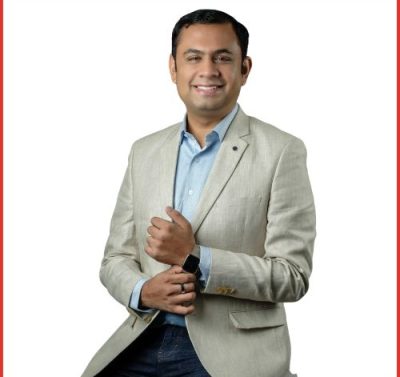
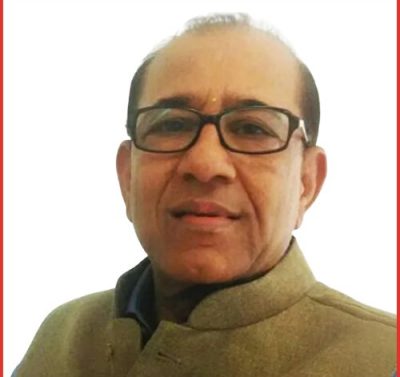
| Founder and CEO | Sidhant Keshwani (co-founder Sunil Keshwani) |
| Sector | Women’s ethnic and fusion wear; fast fashion and D2C |
| FY25 Revenue | Rs 609.1 crore (up 25% YoY) |
| FY24 Revenue | Rs 486.5 crore |
| FY26 Net Profit | Rs 13.18 crore (first full-year profit) |
| Funding | Rs 150 crore from ICICI Venture (May 2024), first external round |
| Ownership | Privately held by the Keshwani family |
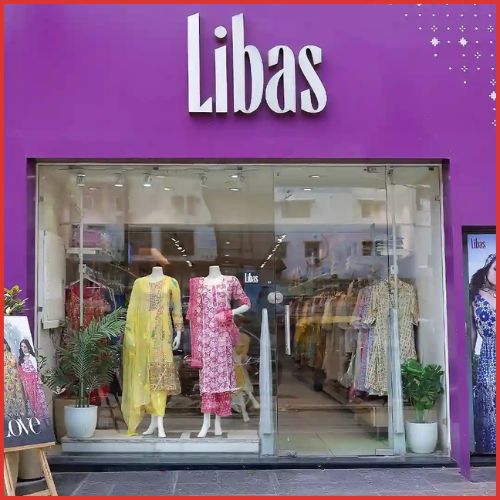
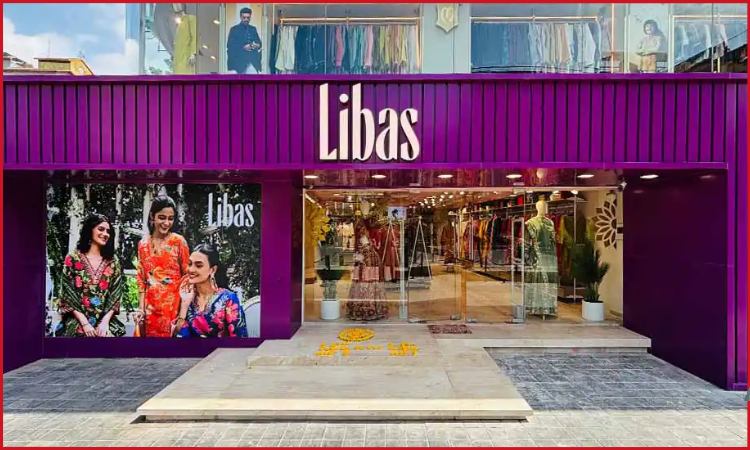
| Stores | 15 exclusive outlets at funding; targeting 200 by 2026 |
| Brand Ambassador | Kiara Advani |
| Sells On | Own website, Myntra, Flipkart, Amazon, plus offline stores |
About Libas
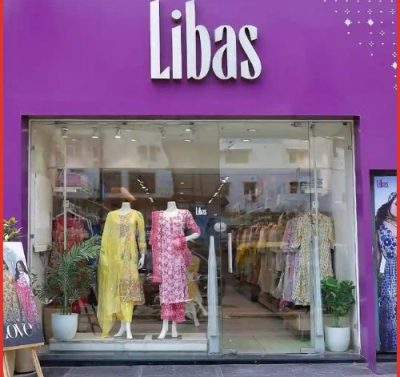
Libas is an Indian women’s ethnic and fusion wear fashion brand owned by Zivore Apparel Pvt. Ltd. Founded as a family business in 1985, the brand was transformed into a digital-first fashion company by Sidhant Keshwani in 2013. Today, Libas offers kurtas, suits, sarees, dresses, co-ord sets, and other women’s apparel through its official website, leading online marketplaces, and offline retail stores across India.
Who Is Sidhant Keshwani?
Keshwani grew up around fabric and fashion. His father, Sunil Keshwani, built the family’s apparel manufacturing business from nothing, and dinner-table talk was often about supply chains and trends rather than school.
He studied Economics at the University of Manchester, where he watched e-commerce take off across the West through Amazon and ASOS. That exposure shaped his first bet: a startup selling premium Rs 5,000 T-shirts from India to UK customers. It failed. But when the leftover stock sold out in days, he learned that the idea was not wrong, only early and overpriced.
From Family Business To Fast Fashion
In 2013, Keshwani took over Libas as CEO. The family brand was doing about Rs 4 crore in turnover and sold almost entirely offline.
He moved it online, listing on marketplaces and building the brand’s own website. The entry bet was deliberate: affordable workwear kurtas priced around Rs 600 to Rs 700, built for online buyers who would not spend more on an unfamiliar label.
The traction came quickly. Within eighteen months, Libas was the top-selling ethnic brand on Flipkart, and within four years it led the entire women’s fashion category there. By 2017, revenue had crossed the Rs 100 crore mark. He met customers where they already shopped, the channel-first instinct that now defines India’s booming D2C brands.
Libas’s Business Model
The engine of Libas is speed.
Keshwani borrowed openly from fast-fashion giants like Zara and rebuilt their playbook for Indian wear. Libas stopped working to seasonal calendars and instead treats social media as a live mood board, spotting a trend and putting a matching product on the shelf in as little as ten days. Libas’s real innovation was not the kurta but the clock: it compressed the gap between a trend surfacing online and a product reaching the customer to a matter of days.
This runs on a tech-enabled supply chain and an omnichannel footprint. The brand sells through Flipkart, Myntra, Amazon, and its own site, backed by exclusive outlets and large-format stores offline. The catalogue has widened well beyond kurtas to suits, sarees, dresses, lehengas, co-ord sets, plus-size, and loungewear. Bollywood actress Kiara Advani fronts the brand, and much of its marketing runs through influencers rather than traditional ads.
Revenue And Financials
Libas has grown fast for years, often at 100% annually in its earlier phase.
Revenue rose from Rs 486.5 crore in FY24 to Rs 609.1 crore in FY25, a gain of about 25%. The catch is on the bottom line. The company swung from a small profit to a Rs 16.5 crore loss in FY25 as it spent heavily on opening stores.
That loss was a choice, not a warning sign. Offline retail is capital-heavy, and Libas is funding a store rollout that pressures short-term profit. Keshwani has said the company is targeting close to Rs 1,000 crore in net revenue by FY26, led by both online and new offline channels.
Funding, Ownership And Net Worth
For most of its life, Libas took no outside money.
The bootstrapped brand raised its first external round only in May 2024, taking Rs 150 crore from ICICI Venture through its IAF Series 5 fund. The capital is earmarked for offline expansion and technology.
On ownership, Libas stays private and family-controlled through its parent, Zivore Apparel, with ICICI Venture holding a minority stake. Because the company has raised just one minority round and does not publish a valuation, Keshwani’s exact net worth is not public. What is clear is that the family still owns the large majority of a brand now generating more than Rs 600 crore in annual revenue.
Libas Growth Strategy For 2026 And Beyond
Libas is now spending its capital on physical stores.
The plan is to grow from around 15 exclusive outlets to roughly 200 by 2026, each store running 1,200 to 1,800 square feet at a capex of about Rs 1.3 crore. Alongside the rollout, the brand is widening categories and deepening its omnichannel systems while scaling its retail footprint.
The tailwind is real. Ethnic wear is the single largest slice of India’s women’s clothing, at about 71% of the segment, and the women’s ethnic market is projected to cross $22 billion by FY26 at roughly 8% annual growth (Wazir Advisors, 2024). The risks are real too. Discretionary spending softened through 2024 and 2025, and Libas competes in India’s crowded clothing market against Biba, W, Fabindia, and a wave of newer D2C rivals.
Business Lessons From Libas
- Timing beats enthusiasm. The same founder failed and then won, because the market had finally matured for online fashion.
- Sell where customers already are. Marketplaces gave Libas instant reach long before it built its own channels.
- Speed can be a moat. A ten-day trend-to-shelf cycle kept Libas ahead of slower ethnic-wear incumbents.
- Growth carries a cost. A rapid offline push turned profit into a planned loss, so know exactly why you are spending.
- Bootstrapping buys control. Ten years without outside money let Libas scale on its own terms before raising a rupee.
Conclusion
The Libas Success Story shows how the right timing, customer understanding, and a digital-first approach can transform a traditional family business into one of India’s fastest-growing fashion brands. Under the leadership of Sidhant Keshwani, Libas evolved from a ₹4 crore apparel business into a ₹600+ crore omnichannel brand by combining affordable ethnic wear, a fast-fashion business model, and a strong presence across online marketplaces and offline stores.
Looking ahead, Libas’s growth strategy is focused on expanding its retail network, strengthening its omnichannel presence, and reaching new customer segments while maintaining sustainable growth. Although rapid expansion brings challenges around profitability and competition, the brand’s ability to adapt to changing consumer trends has positioned it among the leading D2C fashion brands in India. As the company enters its next phase, the Libas journey offers valuable lessons for entrepreneurs, retailers, and anyone interested in building a scalable consumer brand.
Frequently Asked Questions
1. Who is the founder of Libas?
Libas is led by Sidhant Keshwani, who took over the family apparel business as CEO in 2013 and rebuilt it into a digital-first fashion brand. His father and co-founder, Sunil Keshwani, started the business in 1985.
2. What is Libas’s revenue?
Libas reported revenue of Rs 609.1 crore in FY25, up about 25% from Rs 486.5 crore in FY24. It slipped to a Rs 16.5 crore loss in FY25 due to heavy offline expansion and is targeting close to Rs 1,000 crore in revenue by FY26.
3. What is Libas’s business model?
Libas is a fast-fashion, omnichannel brand for women’s ethnic and fusion wear. It uses social media to spot trends and can move a new design to shelf in about ten days, selling across Myntra, Flipkart, Amazon, its own site, and offline stores.