India’s aviation sector is going through a rough patch this week. What started as serious operational problems at IndiGo, the country’s biggest airline, has now become a messy situation affecting everyone. The government has stepped in to cap airfares for the first time since the pandemic, while Air India has put its own limits on economy class prices. This whole episode has got people asking tough questions about how the aviation market works and whether passengers are properly protected.
The IndiGo Crisis
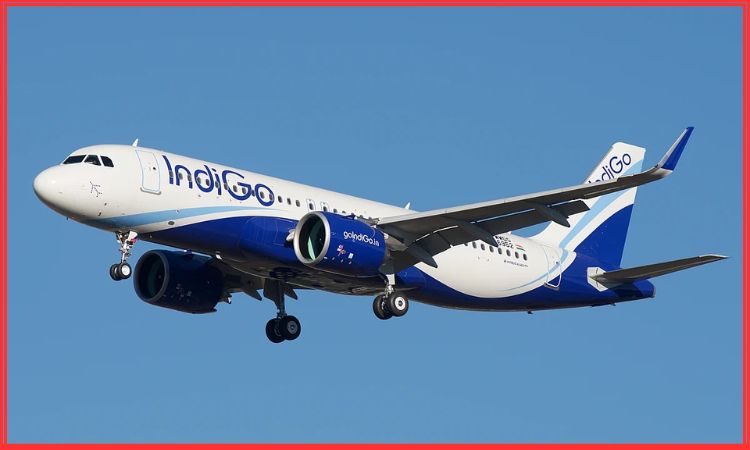
The situation began a few days ago when IndiGo started cancelling flights in large numbers. On Friday alone, they cancelled over 1,000 flights, more than half of what they had scheduled. Passengers were left stranded at airports everywhere, with angry scenes playing out at Delhi, Mumbai, and Bengaluru. The airline blamed operational reasons, but cancelling that many flights points to bigger problems behind the scenes.
For thousands of travelers, the immediate headache was finding other flights. And that’s where things got worse. Since IndiGo controls more than 60 percent of India’s domestic market, its sudden withdrawal created a huge gap. Other airlines, seeing a sudden rush of desperate customers, watched their booking systems automatically push prices up. Last-minute fares on busy routes went crazy. A Delhi-Bengaluru flight that usually costs around ₹7,000 was selling for ₹40,000. Some routes saw prices seven or eight times higher than normal.
Government Steps in the Ministry of Civil Aviation watched this happening and decided enough was enough. On Saturday, they used their regulatory powers and told all airlines they must stick to set fare limits. The official statement said they were protecting passengers from exploitative pricing. These caps will stay until things settle down properly.
The ministry also came down hard on IndiGo specifically. They ordered the airline to process all refunds for cancelled flights by Sunday evening, December 7. Passengers whose plans were ruined cannot be charged fees to reschedule. The airline has to set up special support teams to reach out to affected travelers. Any delays or half-measures will bring immediate regulatory action.
Air India’s Early Move
Air India, for its part, moved early. The Tata-owned carrier said it had been keeping economy class fares in check on all its non-stop domestic flights since December 4. They clarified that some expensive fares seen online were for connecting flights or mixed cabin bookings that their caps didn’t cover. This proactive approach helped Air India avoid the kind of criticism that hit other carriers.
Impact on the Sector
This whole mess has shown how vulnerable India’s aviation market really is. With IndiGo and Air India together controlling over 90 percent of the market, there’s a serious concentration risk. When the biggest player stumbles, everyone feels it. The government’s intervention, while needed to protect consumers, raises some awkward questions about regulation.
For airlines, the fare caps mean lost revenue at a time when they could have made serious money. Here’s how different groups are affected:
- Airlines lose out on premium pricing during peak demand periods
- Passengers benefit from capped fares but face limited options
- Travel agents deal with angry customers and complicated rebooking
- Tourism sector suffers as travel becomes unpredictable and expensive
- Business travelers face disrupted schedules and higher effective costs
The wider economic impact matters too. Air travel isn’t a luxury anymore in India. It’s crucial for business, tourism, and keeping the country connected. When the system breaks down, it doesn’t just upset holidaymakers. It disrupts supply chains, delays important meetings, and creates uncertainty for an economy that needs reliable air links.
What This Means for Aviation
Looking ahead, the immediate priority is getting things back to normal and making sure passengers aren’t ripped off. But beyond this crisis, policymakers need to think about deeper issues. Should India look again at how it regulates airfares? The fare bands during the pandemic worked fairly well in stopping unfair pricing. Maybe a permanent system to cap fares during emergencies makes sense.
The industry also needs to get serious about resilience. IndiGo’s size gives it huge market power, but also creates systemic risk. When the biggest player fails, everyone suffers. Airlines need better backup plans, and regulators need stronger oversight.
For passengers, this week has been a wake-up call that market forces don’t always work for them. The government had to step in, which was the right move. But it shouldn’t have taken a crisis this big to make it happen. The challenge now is to make sure that once things calm down, the lessons learned actually lead to a stronger, more competitive aviation sector that treats passengers better.
The fare caps are temporary. But the questions they raise about market power, consumer protection, and regulatory oversight will stick around long after flights get back to normal.