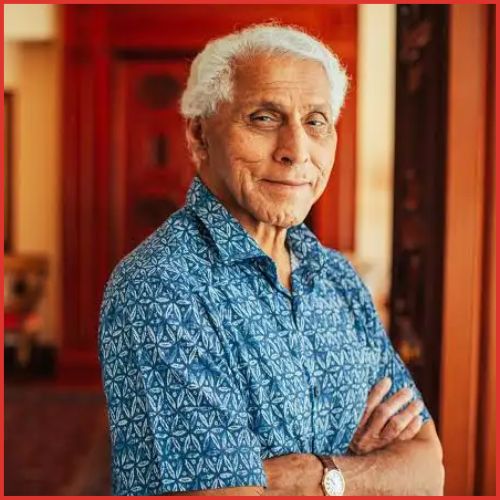
Harsh Mariwala was the founder of Marico, one of India’s top FMCG companies. He turned a small family-owned commodity company into an international company. While it was common to have businesses focused on unbranded oils, Mariwala focused his attention on brand, consumer trust, and packaging. He was visionary in his leadership and successfully led Marico to create legendary brands – Parachute and Saffola, which made their place in households.
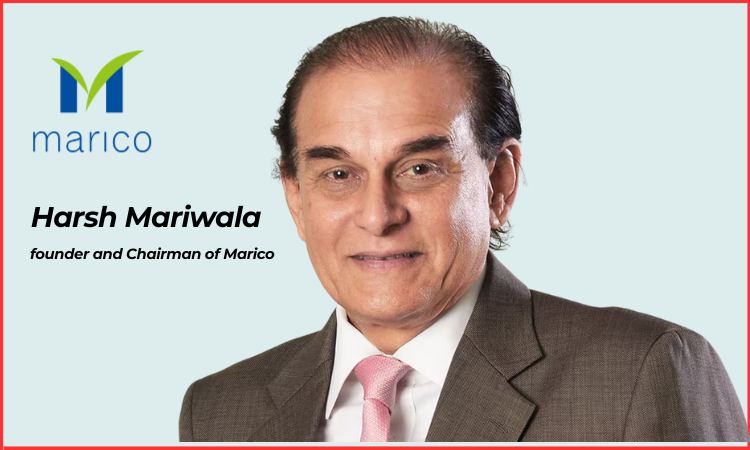
Mariwala wasn’t interested in competing in every space. He developed a strategy for driving leadership in selected niches. It is about consumer health, quality, and trust. Under Mariwala’s vision, Marico turned into a modern FMCG company from being just an oil company. Marico is now valued in billions and operates in more than 25 countries. Harsh Mariwala’s Leadership: How Marico Became an FMCG Giant illustrates Mariwala’s vision, initiatives, and dedication to quality.
Harsh Mariwala: Early Life and Entrepreneurial Journey
Harsh Mariwala came from a family business that was into spices and edible oils. While many family members were satisfied with trading, he sought more. He believed that by adding value, commodity goods could become branded and foster customer loyalty.
In the late 1970s, he took a bold step to modernize the business model. Instead of following the route of being a commodity trader, Mariwala focused on building strong brands. This vision and mission became the basis for Marico, an organization that eventually competed with global companies and built consumer trust.
The story of Marico: From Parachute to Saffola
Parachute Oil: A new approach to a commodity
Coconut oil used to be sold in cans that rusted and leaked. Mariwala developed a plastic bottle that increases shelf-life, eliminates rust and leaks, and is easier to dispense. This innovation established the buyer’s trust and ultimately ensured loyalty to Parachute, which became the market leader in hair oil.
Parachute’s success demonstrated that merely changing the packaging could create significant brand value. It was known for its purity and consistency among customers, and it became an often-used household name.
Saffola Oil: A health-based brand
Although Parachute was successful in the personal care space, Saffola based itself on health. Mariwala pitched Saffola as a doctor-recommended cooking oil. Saffola was not just cooking oil; it also pitched a healthy option to consumers. After ghee and other oil types, Saffola became the heart health oil in India.
Harsh Mariwala Leadership: Developing a Professional Culture
One of the hallmarks of Mariwala was his belief in professional management. Unlike most family-controlled businesses, he delineated ownership responsibilities from operational responsibilities. He empowered professionals in decision-making, and he provided vision and direction.
This system accelerated accountability and innovation. Employees felt engaged because their input was considered. Mariwala’s leadership philosophy was simple: a great corporation is created by cohorts of simply great people, not by one person.
He also embraced transparency and corporate governance. Organized and transparent process, merit-based promotions, and transparent communication became part of Marico DNA. This philosophy of professionalism set Marico apart from many family-controlled businesses in India.
Marico’s Business Model and Growth Strategy
Thoughtful Diversification
Mariwala resisted the inclination to diversify into all categories. He picked a few key segments like hair care, skin care, wellness, and cooking oils. By concentrating resources, Marico achieved dominance in these segments rather than dilution of focus.
Robust Distribution Network
Marico established a strong distribution network throughout urban and rural India. Reaching smaller towns and villages conferred an enormous competitive advantage to the company. The omnipresence of Parachute and Saffola products enhanced brand loyalty among consumers.
Strategic Acquisitions
Acquisitions allowed Marico to expand its global ambitions. The company bought brands in Bangladesh, Egypt, Vietnam, and the Middle East. These acquisitions were not just about scaling but were vital for gaining local market knowledge. Marico’s ability to connect its global ambitions with local expertise allowed it to grow into a real multinational company.
Innovation and Flexibility on the way to Marico.
The company under Mariwala’s leadership gained a competitive advantage by being at the forefront of customer trends. Marico committed significant resources to research and development to produce innovation in base products as well as new entries. This included health oils, ayurvedic shampoos, and skin solutions.
When there was a shift by consumers regarding preferences, the company quickly adapted. For example, the company developed small pack sizes in rural markets to ensure some price point accessibility. They also developed digital-first brands to reach young adult consumers.
Innovation was not limited to product development; the marketing platforms enhanced messages of health, trust, and modern lifestyles. By linking emotionally with consumers, Marico built relationships over time.
Marico’s Global Expansion with Harsh Mariwala

Global expansion was a significant milestone for Marico. Mariwala was aware that Indian products alone would not succeed, and that each market required customisation.
Marico was successful in Bangladesh with Parachute due to its understanding of normal consumer preferences. Marico introduced products to Egypt and Vietnam, tailored to the local needs as well. When Marico was expanding internationally, it was aware of how conscious decisions should be made by the local management teams to bring about sensitivity to the local culture.
The “think global, act local” strategy contributed to an overall success for Marico when other Indian companies failed to scale. Today, Marico gets more than 20% of its revenue from international operations.
Leadership Lessons from Harsh Mariwala
Learning from Harsh Mariwala in terms of his leadership journey yields valuable lessons:
- Focus on niches versus competing against the giants: Competing against global leaders is risky. Focus on niches.
- Make commodities become a brand: Trust, loyalty, and higher margins are the deliverables of branding.
- Let professionals get on with their job: Business can only grow when leaders trust skilled management.
- Be prepared to innovate and fail: One of the important drivers of growth is to innovate; not all innovations will work.
- Grow with localization: Ultimately, global success will be driven by adapting to the cultures and tastes of local markets.
These stories and lessons from leaders never stop inspiring entrepreneurs and leaders across the world.
Marico is Reinventing Itself with Time
The fast-moving consumer goods industry (FMCG) is changing rapidly due to digital channels and demands from consumers. And to keep up with the trends, Marico is developing itself, investing in direct-to-consumer brands, online platforms, and wellness-oriented categories.
The company is also focused on sustainability, reducing plastic, and developing eco-friendly packaging. By aligning with modern consumer values, Marico is preserving its future viability.
Mariwala’s leadership means that as trends come and go, Marico will always stay rooted in trust, health, and consumer focus. This equilibrium is what keeps the company strong in a changing landscape.
Harsh Mariwala Beyond Marico: The Entrepreneurial Mentor
Beyond Marico, Mariwala has spent time supporting entrepreneurship. Mariwala believes that knowledge-sharing and peer-learning are key to scaling businesses. He founded the ASCENT Foundation, which helps in mentoring and connecting entrepreneurs across India, where knowledge-sharing and peer-learning are cultivated.
He also invests in early-stage startups and has a strong belief that young entrepreneurs should think about governance and culture early. The fact that Mariwala takes the role of a mentor emphasizes the importance of a broader vision of creating an ecosystem, as opposed to his own company.
Conclusion
Harsh Mariwala’s story provides evidence of how vision, innovation, and governance can move a family-owned commodity business into becoming a globally recognized FMCG brand. However, his impact goes beyond Marico; he has radically altered the course of entrepreneurship in India by showing that authentic long-term success derives from professional culture, consumer trust, and courageous imagination.
As Marico embarks on a journey into health, nutrition, and digital-first spaces, his leadership skills will continue to guide future entrepreneurs. Marico remains under the legacy of influence and continues to explore new boundaries, evolving to maintain trust for millions of consumers. The legacy of Harsh Mariwala as a leader is not simply in building a company, but in shaping the mindset of generations of leaders to dream big and execute with intent.
Frequently Asked Questions
Q-1 Who founded Marico and when?
Harsh Mariwala founded Marico in 1990 (spin-off from the family business).
Q-2 What are Marico’s flagship brands?
Some of Marico’s major brands include Parachute (coconut hair oil), Saffola (health cooking oils), Hair & Care, Livon, Set Wet, Nihar Naturals, and Revive.
Q-3 Did Marico scale beyond India?
Marico expanded globally through strategic acquisitions and by tailoring products to local markets. It now operates in more than 25 countries.
Q-4 What is Harsh Mariwala’s net worth?
As of September 2025, Harsh Mariwala’s net worth is estimated at approximately $3.8 billion, according to Forbes’ real-time billionaire tracker.
Q-5 How much revenue does Marico derive from international operations?
Around 20-25% of Marico’s revenues now come from its operations outside India.
Q-6 What role does Harsh Mariwala play outside Marico?
He mentors entrepreneurs via the ASCENT Foundation, supports startups, and promotes governance and culture in young businesses. (As in your article)