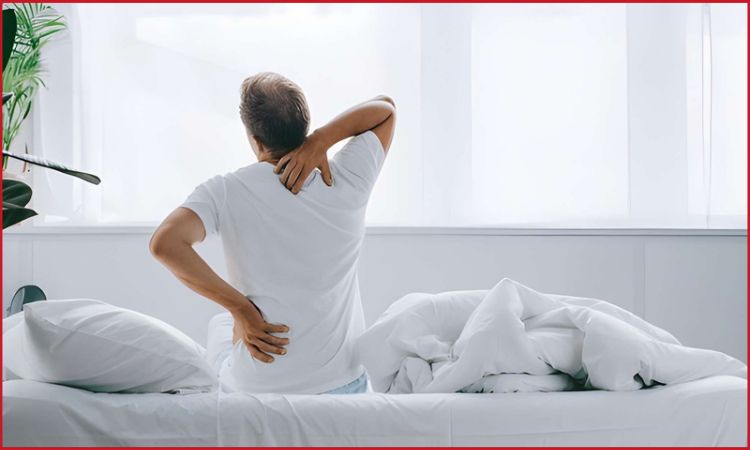
If you wake up with a stiff lower back that eases once you start moving, your mattress is the first thing we would look at. A bed that lets your hips sink or your back arch for seven hours keeps your muscles working when they should be resting.
Here’s a short answer: if back discomfort is part of your mornings, a well-built orthopaedic mattress is one of the most sensible upgrades you can make. India’s leading sleep experts have been saying this for decades, and the reason is simple. The right mattress holds your spine the way it wants to rest, so your back gets a proper night off.
What an Orthopaedic Mattress Does for Your Back
Think of an orthopaedic mattress as a bed with a job to do. It is built to keep your head, shoulders, hips, and lower back in one comfortable line while you sleep. It does this with a supportive base that does not give way under your weight and a softer layer on top that cushions you where you press down the most.
A common myth is that orthopaedic means rock hard. It does not. The best orthopaedic mattresses feel supportive without feeling like a plank. You should sink in just enough to feel comfortable and no further.
Why Medium-Firm Is Often Worth Considering
For most people with back pain every day, a medium-firm mattress is good. Research on lower back pain supports this, and it matches what mattress specialists see in Indian homes every day.
- Too soft: your hips sink like a hammock, and your lower back takes the strain.
- Too firm: your shoulders and hips press hard into the surface, and you toss and turn to get comfortable.
- Medium-firm: your back stays supported, and your pressure points stay comfortable.
Signs Your Back Is Asking for a New Mattress
Your body gives clear signals when a mattress has stopped doing its job. If two or more of these sound familiar, it is time to start shopping.
- You wake up stiff: your back or neck feels tight in the morning and loosens up after an hour.
- You sleep better elsewhere: a hotel or guest bed leaves you feeling fresher than your own.
- You can see a dip: there is a visible hollow where you usually sleep.
- Your mattress is past seven years: most mattresses lose their support well before they look worn out.
Our advice is to act on these signs early. Living with a sagging mattress for “one more year” is how a small niggle turns into a daily ache.
The Best Mattress for Back Pain by Sleeping Position
The way you sleep changes what your back needs. Here is what we recommend.
- Back sleepers: Choose a medium-firm orthopaedic mattress that fills the gap under your lower back.
- Side sleepers: Look for a supportive base with a softer top layer that lets your shoulder and hip settle in.
- Stomach sleepers: Go a step softer so your middle does not dip and pull on your lower back.
The best mattress for back pain keeps your spine in line whichever way you turn. Some of the best orthopaedic mattresses in India use a two-spring or zoned design that gives the upper back and lower back their own support, which is a feature we rate highly for anyone with a sore back.
Your weight matters too. If you are heavier, pick the firmer end of medium-firm. If you are lighter, a medium feel will give you the same support without pressure on your shoulders.
What to Look For Before You Buy?
You do not need to understand foam science to buy well. These are the five things every buyer must check.
- A supportive core: Ask whether the mattress is designed for spine support and choose one that feels steady when you lie on your back and turn to your side.
- Strong edges: A firm border stops the mattress from sagging when you sit on the side of the bed.
- Breathable fabric: Indian summers are warm, so pick a mattress with ventilated foam or a breathable cover so heat does not keep you awake.
- Hygiene protection: Mattresses with antimicrobial or neem-treated fabric stay fresher for longer, which we recommend for humid cities.
- A home trial and a solid warranty: A trial of several weeks lets your back decide, and a long warranty shows the maker knows what they are selling.
Conclusion
You do not need an orthopaedic mattress just because you are buying a new bed. You do need one if back stiffness has become part of your routine. Choose a medium-firm orthopaedic mattress from a trusted mattress brand, match it to your sleeping position, and give it a few weeks for your body to adjust. Most people notice the difference in how they get out of bed within the first month.
FAQs
Is a harder or softer mattress better for back pain?
Neither extreme. Sleep experts recommend a medium-firm mattress for most people with lower back pain every day. It supports the spine without creating pressure on the shoulders and hips. A good orthopaedic mattress with a medium-firm feel is a good starting point for many people who have lower back discomfort.