Etsy is one of the most compelling examples of e-commerce success. Started in 2005 as a small marketplace for handmade items, it has evolved into a worldwide platform with millions of sellers worldwide. Etsy’s story demonstrates how a grassroots idea can disrupt the e-commerce landscape’s status quo while having legacy.
The Etsy startup story is one of perseverance, innovation, and adaptability. Starting from a simple online shop that sells vintage products, to supporting small craft sellers, Etsy’s growth has become a business case study for entrepreneurs. Beyond being a craft marketplace, Etsy today stands as a sustainable e-commerce brand and a strong example of successful peer-to-peer commerce.
In this post, we will cover the inspiring success story of Etsy from a startup to a global brand. We will also highlight key lessons from the story of Etsy’s success and how Etsy has impacted small business culture.
Beginning of Etsy and Etsy’s Founders
Etsy’s history began in Brooklyn, New York, in 2005. Founders Rob Kalin, Chris Maguire, Haim Schoppik, and Jared Tarbell created a platform that allowed artisans to sell handmade goods online. The Etsy founders felt that artisan craft sellers deserved their own internet marketplace.
Etsy was a unique experience when compared to the mass e-commerce sites in 2005. Unlike other e-commerce sites, Etsy valued raw creativity, uniqueness, and authenticity. This belief led to Etsy continuing to evolve into the successful marketplace it has become.
The Story of the Etsy Startup
The story of the Etsy startup is one of solving a specific problem. Artists and creators needed an easy and inexpensive way to sell their products, without having to build their own websites. And there were buyers who wanted unique artisan goods online, as well as vintage items.
Etsy serves both groups on a peer-to-peer e-commerce platform. That alignment of seller wants and buyer needs provided Etsy with initial traction and sparked the entrepreneurial journey of Etsy.
Etsy’s Business Model
Etsy’s business model is pretty simple, but scalable. Etsy makes money from the following:
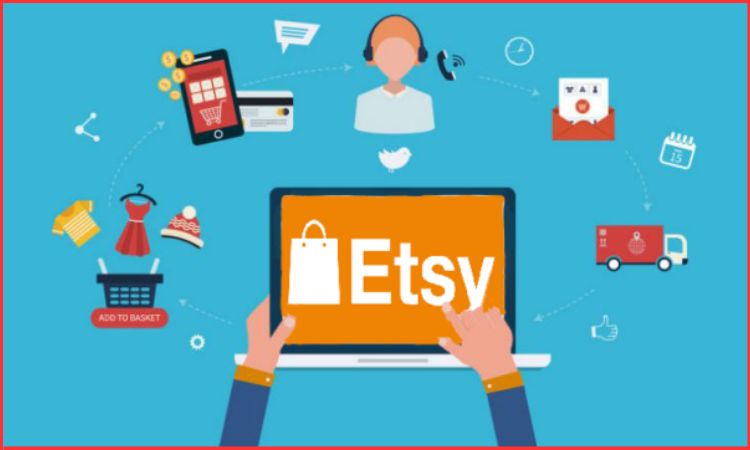
- Listing fees: The seller pays a small fee to list each item.
- Transaction fees: A small percentage of each sale is taken.
- Advertising: Etsy offers promoted listings and ads.
- Payment processing: Etsy charges a fee to process payments through Etsy Payments.
- Subscriptions: Tools such as Etsy Plus offer premium features for sellers.
This model allows Etsy to grow its revenues while keeping the platform affordable for small businesses. This is a valuable compromise between seller enjoyment and company profit.
History of the Etsy IPO
The Etsy IPO history started in April 2015, when it launched its stock on the NASDAQ exchange with a ticker of “ETSY.” It raised approximately $267 million and valued Etsy at nearly $2 billion post-IPO. (The New York Times)
The IPO represented a new chapter in the years-long journey of Etsy. With the extra capital, Etsy began investing in technology efforts, expanded the business into global markets, and launched national campaigns that further expanded the Etsy brand recognition well beyond specialty markets.
Etsy growth & expansion strategy
Etsy’s growth strategies can be summarized into multiple stages. In the initial years, it was primarily word of mouth and community forums that drove traffic. Later, Etsy used SEO optimization and paid digital advertising to reach new market segments and expand its customer base. Etsy’s expansion strategies included:
- Global markets: It is in multiple languages and currencies
- Mobile-centric workflow: Shopping was optimized through phones
- Acquisitions: Acquired business models like Reverb (musical instruments) and Depop (resale fashion)
- Sustainability: Building an online sustainable marketplace.
Innovation and localization strategies took Etsy from a U.S.-based start-up to a global brand.
Etsy Marketplace Success
Etsy’s success is rooted in its community-first approach, which contrasts sharply with most e-commerce giants that prioritize scale over individual sellers.
Online, craft sellers found a world with an ecosystem that connected buyers with sellers. A plethora of tools, analytics, and resources created a foundation for small businesses to incubate. This seller-first philosophy creates an authentic sense of trust and loyalty that drives Etsy’s long-term growth.
Etsy Challenges and Growth
Etsy has its challenges, and there have been attempts to scale it to a level similar to global online brands like Amazon.” Etsy needed to contend with building and keeping an authentic, community-driven marketplace while scaling the platform. Some sellers were dissatisfied with counterfeit or mass-produced items appearing on what was meant to be a craft-focused marketplace.
Another struggle was balancing fees and seller satisfaction. As Etsy increased fees, it risked loss of trust from Etsy sellers. However, by ameliorating concerns through communication, enhancing fee transparency, and expanding services for sellers, Etsy’s model endured.
The challenges faced were formative through the entrepreneurial journey and demonstrated some of the struggles to have a niche marketplace scale on a global platform.
How Etsy Became Popular
Etsy gained popularity through story and design. Seller bios, product pictures, and creative item descriptions all contributed to making shopping feel personal.
The rise of lifestyle blogs and social media helped increase Etsy’s visibility. Influencers and bloggers helped draw traffic to Etsy by showcasing Etsy products. Over time, all three combined (marketing, media articles, and organic traffic) helped make the Etsy website a household name within the handmade goods marketplace.
Etsy Global Brand and Sustainability
Today, Etsy is known as a global e-commerce platform that incorporates sustainability into its mission. It offsets carbon emissions from shipping orders while also promoting sustainable practices through the sellers on the platform.
This sustainability-first model resonates with today’s consumers and differentiates Etsy from other global e-commerce platforms, creating a strong identity as a socially responsible, sustainable online marketplace.
Impact of Etsy on Small Businesses
Etsy has had a massive impact on small businesses. It helped streamline the process of launching entrepreneurs by decreasing entry barriers, allowing many people to turn their hobbies into income-generating sources. Many sellers claim to have achieved financial independence thanks to success on Etsy.
Etsy’s story shows how digital marketplaces can empower individuals worldwide by giving them tools to grow independently. For small craft sellers on the internet, Etsy helped to connect these small businesses to ask for prices from customers or users and offered ongoing business opportunities.
Niche Marketplaces Growth From Etsy
Niche marketplaces are often credited with Etsy’s success. Its success demonstrated that a specialized marketplace can compete against the giants of e-commerce like Amazon.
With that in mind, we now encounter entrepreneurs who set out to create curated marketplaces that specialize in areas such as artisan foods, handmade jewelry, and wellness hangouts, which in and of themselves are an offshoot of the success of Etsy. This trend mirrors Etsy’s own rise and its influence on the larger e-commerce ecosystem.
Etsy’s Key Takeaways for Entrepreneurs
Here are some of the key takeaways from the Etsy story:
- Find your niche: Leverage demand by finding a gap.
- Protect your users: Build tools for your sellers or service providers.
- Be authentic: Stay true to your values as you scale.
- Emotional storytelling: Tell your respective human stories through your business.
- Adapt: Adapt and change strategies when issues arise due to growing pains.
All of these takeaways can be leveraged from Etsy’s story by all entrepreneurs looking to build a sustainable online company.
Key Milestones
| Factor | Details |
| Founded | 2005 |
| Founders | Rob Kalin, Chris Maguire, Haim Schoppik, Jared Tarbell |
| Focus | Handmade goods marketplace and vintage products online |
| IPO | 2015, raised $267M |
| Business Model | Listing fees, transaction fees, ads, payments, subscriptions |
| Expansion | Mobile-first, global markets, acquisitions |
| Mission | Community-driven, sustainable online marketplace |
Conclusion
Etsy’s success illustrates that even small, niche ideas can develop into global e-commerce marketplace platforms. It showcases resilience, innovation, and empowering other sellers.
The vision behind Etsy’s business model has always been about balancing profit and seller growth with long-term sustainability.
Etsy’s story is meant to inspire entrepreneurs, small businesses, and all dreamers who want to turn creativity into a successful business.
FAQs
Q1: Who founded Etsy?
Rob Kalin, Chris Maguire, Haim Schoppik, and Jared Tarbell.
Q2: What is the Etsy business model?
Etsy makes money by listing fees, transaction fees, advertisements, payment processing fees, and subscriptions.
Q3: When did Etsy go public?
Etsy went public in 2015 and raised $267 million.
Q4: How did Etsy become popular?
Etsy was able to do this with storytelling, authenticity, engagement, and community-based features.
Q5: What does Etsy create for small businesses?
Etsy empowers craft sellers with their hobbies and creates a place for them to turn their hobbies into businesses that reach a global community.