Viraj Bahl’s success story is an extraordinary example of how vision, innovation, and persistence can disrupt an entire industry. As the founder and CEO of Veeba, Bahl grew a modest food entrepreneurial journey into a name that is synonymous with success in one of the fastest-growing packaged food markets India.
Founded in 2013, within a short time frame of its inception, Veeba became a force to reckon with in an industry where they earned customer trust with a promise of quality, clean-label ingredients, focusing on culinary innovation, and delivering overall creativity, taste, and fulfilling flavors to the entire condiments and sauces category.
Bahl transitioned from small beginnings to a national presence. His road to success can be perceived as a case study of branding, market disruption, and strategic growth. This article explains how Viraj Bahl disrupted the packaged food sector in India and created a household name out of Veeba, with some lessons to be learned by aspiring entrepreneurs, brand strategists, and food industry professionals.
The Early Life and Influences of Viraj Bahl
Viraj Bahl’s success should not come as a surprise when you consider his background in food entrepreneurship. He grew up in a family that started Fun Foods, a first-mover in the sauces and spreads category in India. At Fun Foods, he gained early exposure in the product development side of the business, brand development and the complex web of how food business works. When Fun Foods was acquired by Dr. Oetker in 2008, Bahl gained insight into what it meant to scale and sell a successful business.
However, Bahl did not want to rest on the company’s legacy and cultivated a desire to create something original. He undertook formal educational training in business and operations, building on the field experience he had gathered with Fun Foods. The combination of being exposed to global food trends and operations enhanced his vision of supplying high-quality, clean-label condiments to Indian consumers.

Source: The Indian Express
“I always believed India should have made locally, global food products, without any compromises on quality,” says Viraj Bahl.
Veeba was the result of that belief- building great, clean-label condiments for the homes of Indian consumers and the kitchens of Indian professionals.
Founding Veeba: Major Strategies and Vision for the Brand
Viraj Bahl launched Veeba in 2013 with a clear vision: to create an Indian food brand with internationally acceptable quality, health, and taste standards. Here are some key strategies for Veeba’s success in its formative years:
Source: Veeba
Recognized an Opportunity
Bahl saw the white space in the market for premium, health-based condiments tailored to Indian taste preferences. He also saw the growing demand for global flavors in sauces and dressings, from which no Indian brand was truly capturing the complexity of flavor at the time.
Commitment to Clean-Label
Right from day one, Veeba was committed to clean-label; if he was going to build a health-focused brand, he was going to use real ingredients, no artificial colors or harmful preservatives. This created a sense of trust among health-focused consumers relative to the competition.
Started in B2B before Launching Partnered Retail Stores
Veeba started by sourcing sauces and dips to large QSRs like Domino’s, Burger King, and Subway as a B2B distributor. This formed credibility, administrative scale in volume, and a steady revenue stream in the B2B segment before embarking on a retail strategy.
Built a Modern Manufacturing Ecosystem
Viraj Bahl invested early on in state-of-the-art manufacturing facilities, including a plant with certification for FSSC 22000. This investment ensures safety, consistency, and scalability was critical to ensuring a competitive position against multinationals.
Focused on Innovation in Flavors
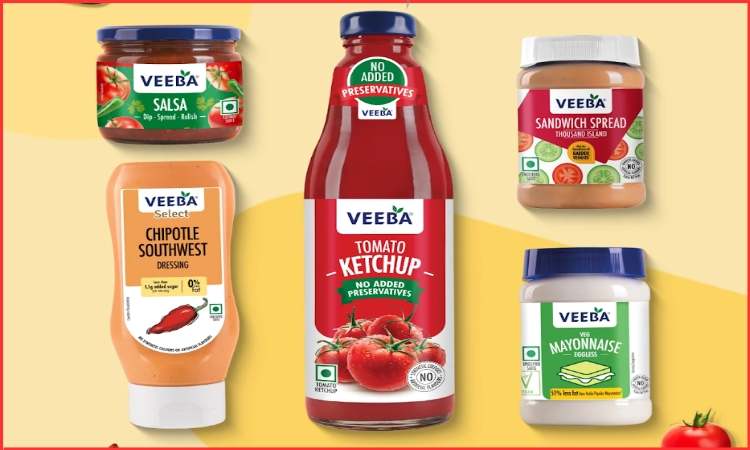
Veeba has launched flavour variants such as Chipotle southwest, Mint mayo, and Honey mustard. These flavours were inspired by global flavour trends but were adapted to the Indian palate. This product innovation has kept the consumer engaged and curious.
Market Pricing Strategy
While still providing a premium product, Veeba was able to maintain competitive pricing, allowing it to be marketed as an affordable luxury to both middle and upper-income households.
Attractive Visual Branding and Packaging
Bahl knew the importance of how visual identity affects product perception provided by packaging. Packaging is not only a reflection of the health-oriented and modern brand image, but also has an effect on retail shelf impact, and the visual impact of the product at a retail level.
Mission-Driven Brand
All of these tactics serve to establish brand identity, and at the end of the day the brand identity at the core of it, and an ongoing objective by Bahl was to provide alternatives to “better-for-you” food options. This mission informed strategic decision-making behind every product launch, partnership opportunity, and brand campaign.
In combination, these tactics cemented Veeba as a trusted, credible, modern food brand. Even more, they solidified Viraj Bahl’s position as a visionary entrepreneur in India’s highly competitive FMCG sector.
Marketing and branding success: From zero to Veeba.
A key component of the Viraj Bahl success story is his smart branding strategy. Since the beginning, Bahl positioned Veeba as a premium, health-focused brand tailored for Indian households. His marketing brilliance and commitment to clean-label products earned him not only consumer trust but also national recognition. In 2025, he joined Season 4 as a Shark Tank India Judge, establishing his role as a respected voice in India’s startup ecosystem. His presence on the show reflects his deep understanding of what it takes to build scalable and impactful businesses from the ground up.
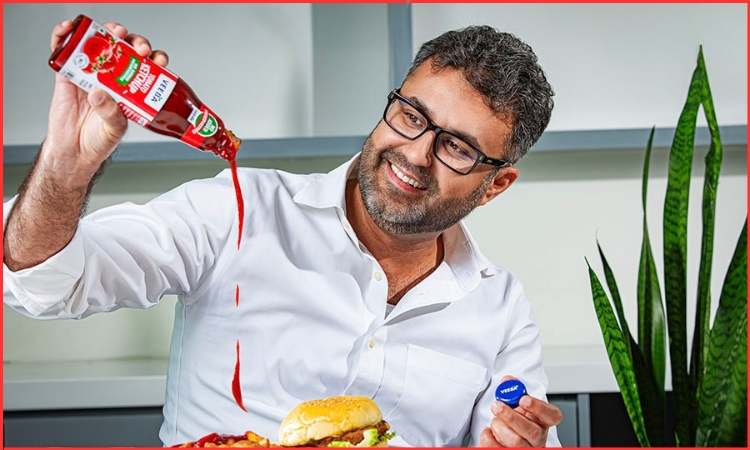
The visual identity gave Bahl and Veeba another opportunity to communicate their brand with consumers. The packaging of Veeba was uniquely sleek and clean, which enhanced the modern and safe image. The visual identity also clearly defined itself, and what it represented to the consumer. The reliance on visual identity was supported by the consumer expectation of health, hygiene, and taste used to make a decision when choosing and purchasing Veeba’s sauces.
Source: Forbes India
Bahl also experimented with credibility when building his brand by including institutions. Over the years, partnering with national QSR companies such as Domino’s, Burger King, and Subway gave established credibility to Veeba that also added more accessibility to eventual retail success. In consumers’ minds, if the sauces are good enough for those industry players, surely they would be good enough for their use at home.
Bahl’s brand awareness was also aided by digital campaigns. The use of influencers and social media campaign strategists helped Bahl’s engagement reach the masses through the work of connected food bloggers, chefs, and product influencers. This helped to provide endless streams of examples of how to use each of the products while also building emotional closeness with millennial consumers.
Overall, by paying attention to customer feedback and evolving with the market through time, Viraj Bahl developed Veeba as a relatable, reliable, and loved household name in India.
Overcoming Obstacles: Navigating the Competitive Landscape of the Food Sector
Even with strategic clarity, Bahl was confronted with several obstacles on the journey to scale Veeba into a trusted food brand:
- Getting into a Saturated Market
The Indian condiments market was already saturated with legacy FMCG players. Creating a brand from scratch required strong differentiation and smart positioning. - Convincing Institutional Clients
Many of the largest QSR chains would not go with Veeba until they proved they had the food quality, consistency, and supply dependability which was not easy for a young firm to do. - Building Cold Chain Infrastructure
Distributing sauces and other perishable condiments across India was a huge logistical hurdle. Bahl ultimately had to invest early on in reliable, scalable cold-chain systems. - Consumer Education for New Products
Introducing international sauces to Indian homes was not easy. Veeba had to educate customers on usage, recipes, and benefits of products like mayonnaise or chipotle sauce. - Capital Efficiency & Cash Flow
In the early days, careful management of growth with financial discipline was an incredibly important challenge. Bahl’s leadership team kept operations lean while also ensuring that the quality of their product was consistent and that it was delivered on time. - Hiring & Retaining Talent
As a start-up, who needed to hire top talent to lead the company, the ability to attract top talent for R&D, marketing, and operations required a clear vision, a strong organisational culture built from the beginning, and long-term incentives.
The challenges of the first years would ultimately help to solidify the basis of Viraj Bahl’s success story, establishing the notion that perseverance and innovation are both essential constituents in the increasingly competitive FMCG environment in India.
Awards and Recognition
Veeba has won many awards thanks to Viraj Bahl’s leadership, establishing itself as a leader in the food industry. Several noteworthy awards are:
- Economic Times FMCG Startup of the Year
- Best Innovation Award, India Food Forum
- FICCI Food and Grocery Awards for Excellence
- “Clean Label” Leadership Recognition from trade bodies
- Multiple certifications for quality and food safety purposes compliance
These accolades reinforce Bahl’s passion for quality, innovation, and growth in the highly competitive condiment market.
Guidelines for Future Entrepreneurs
- Recognize Market Gaps: Recognize a market gap, and develop products to fill that gap.
- Develop Resilience: Be patient and adaptable with your startup in spite of struggles and competition.
- Create Collaborations: If you create collaborations with the most critical players in your sector, you can build credibility and quickly advance your growth.
- Innovation: You will continue to develop your products and the way you marketing them in order to be relevant and competitive.
- Be Customer Obsessed: Make sure to listen to feedback and viewers; be careful trusting consumers, since loyalty typically takes time to build.
- Quality: Continuously develop a high quality product and if you are providing consistent value, you don’t only earn consumer loyalty, but you can also create a brand for yourself.
- Discipline While Scaling: Keep your finances in line as you scale your company.
Conclusion
The Veeba success story is a shining example of what’s possible when clarity of vision meets execution. From a small idea to a national brand, Viraj Bahl’s journey is inspiring for Indian entrepreneurs, FMCG professionals, and startup enthusiasts.
By prioritizing innovation, clean ingredients, and deep consumer connection, Veeba has carved out a niche that is both scalable and sustainable. As the brand looks to expand globally and explore plant-based offerings, the future looks bright for both Veeba and Viraj Bahl.
FAQs
Q1. What made Viraj Bahl start Veeba?
A: His vision of being India’s first clean-label, premium condiment brand!
Q2. Does Veeba sell products outside of India?
A: Yes, Veeba is selling its products in several countries outside India and is expanding the footprint internationally.
Q3. What is Veeba’s view on plant-based or vegan products?
A: Veeba is looking to develop plant-based sauces as a competency and is responding to vegan and health trends.
Q4. How does Veeba plan for sustainability while it is focusing on its packaging?
A: It is investing in eco-friendly packaging initiatives and considering how to help reduce waste overall.