Source: vedantaresources
Vedanta Limited is one of the few Indian companies to have made a serious global impact in natural resources. From small-town India to becoming one of the largest diversified natural resources companies worldwide, Vedanta Limited’s history reflects ambition, resilience, and strategic growth. Available to many corporates as a domestic player, Vedanta Resources chose to venture globally to stake its claim as a strong participant in zinc, aluminum, copper, oil & gas, silver, iron ore, and power generation. Today, Vedanta Limited is recognized among the top mining companies in India and globally.
In this article, you will learn about Vedanta Limited’s journey to becoming a global behemoth, including company history, growth strategies, key milestones, challenges, leadership, and a perspective on the road ahead.
From Scrap Dealer to Titan in Mining
Vedanta began its journey in 1976, when Anil Agarwal, a young businessman from Patna, first started a small scrap metal business in Mumbai. He then purchased Shamsher Sterling Corporation, a cable company. In 1986, Agarwal started Sterlite Industries, which, at its inception, was based on copper smelting. In the 1990s, Sterlite was the first private sector company in India to have a copper smelter refinery. This was the genesis of the Vedanta Group, which was later named Vedanta Resources Limited and became the first Indian company listed on the London Stock Exchange in 2003.
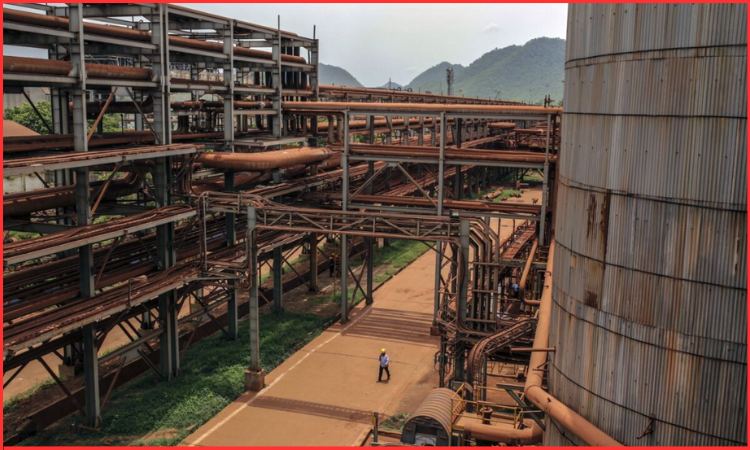
Expansion into Mining and Natural Resources
Source: bloomberg
Vedanta expanded through acquisitions and diversification into various sectors in quick succession.
- Zinc: Through the disinvestment route, the company acquired Hindustan Zinc Ltd. (HZL) in 2002. It was positioned as the largest producer of zinc in the world because of it.
- Aluminum: In the aluminum sector, Vedanta began from scratch to develop smelters and bauxite mining projects with substantial operations in Odisha and Chhattisgarh.
- Copper: The company operated Sterlite Copper in Tamil Nadu, at the time one of the biggest copper producers in India, until its closure in 2018.
- Oil & Gas: Vedanta bought Cairn India in 2011, which provided access to one of India’s largest private oil fields in Rajasthan.
- Iron Ore: Vedanta learned the industry after establishing itself in iron ore mining in Goa, before being affected by regulatory bans.
- Power Generation: Vedanta Power would later be developed to the extent of generating power to consume the required energy for its operational activities.
Vedanta at a Glance
| Category | Details |
| Founded | 1976 (as Sterlite Industries) |
| Founder | Anil Agarwal |
| Headquarters | Mumbai, India |
| Global Presence | India, South Africa, Namibia, Liberia, Ireland, Australia |
| Major Sectors | Zinc, Aluminum, Copper, Oil & Gas, Iron Ore, Silver, Power |
| Revenue (FY 2024) | ₹1.4 lakh crore |
| Employees | 70,000+ |
| Market Capitalization | ~$18 billion |
| Key Subsidiaries | Hindustan Zinc, Vedanta Aluminium, Cairn Oil & Gas |
Growth Strategies that Built Vedanta
Source: businesstoday
Aggressive Acquisitions:
Vedanta Limited grew by acquiring undervalued assets and making them profitable. Notable acquisitions include: Hindustan Zinc (2002), BALCO (2001), Sesa Goa (2007), and Cairn India (2011).
Vertical Integration:
By integrating mining, processing, and power supply, Vedanta Resources reduced costs and created a sustainable, self-feeding operation.
Global Footprint:
Unlike many other Indian companies, Vedanta Limited expanded globally, particularly in Africa and Australia, diversifying risks and improving access to international markets.
Technology and Innovation:
Recently, Vedanta Limited has implemented automation, IoT, and AI to improve mining operations. Sustainability remains a focus, aligning with ESG (Environmental, Social, and Governance) standards.
Anil Agarwal’s Vision
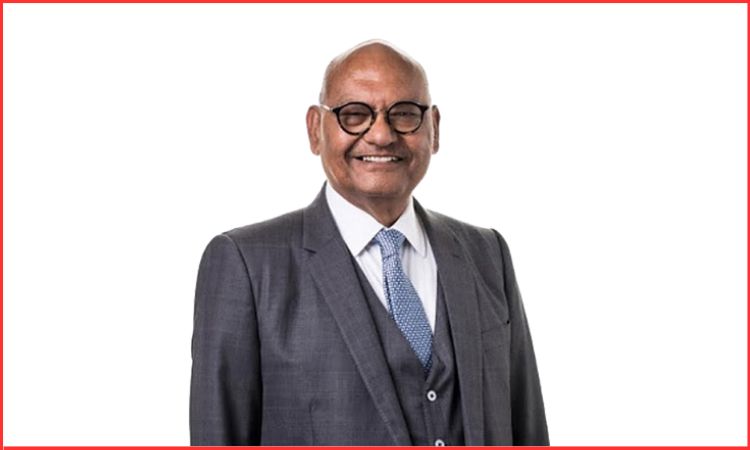
Anil Agarwal, the founder and chairman of Vedanta Limited, is often referred to as the “metal king of India.” He exhibits several leadership attributes:
- Risk-taking ability: Brought the company into sectors dominated by state-owned companies.
- Global mindset: Took Vedanta to the world through international stock exchanges.
- Resilience: In years when there were no major national catastrophes, Agarwal steered his company through bans on mining operations, major protests, and commodity price collapses.
It is evident from Agarwal’s vision for Vedanta to become a global leader in natural resources, based on sustainability.
Challenges Vedanta Faced
| Challenge | Impact | Response |
| Environmental Protests | Closure of Sterlite Copper in Tamil Nadu | Increased ESG focus, renewable investments |
| Commodity Price Volatility | Revenue fluctuations | Hedging strategies, diversification across metals |
| Regulatory Hurdles | Mining bans in Goa & Karnataka | Legal actions, shift to other geographies |
| Debt Burden | High borrowings for acquisitions | Asset monetization, deleveraging plans |
Sustainability and ESG Initiatives
- Net Zero Goal: Vedanta has committed to achieving net zero carbon by 2050.
- Renewable energy: Backing: Investment in solar and wind energy for smelters and refineries.
- Water Management: Targeting zero liquid discharge plants.
- Community Development: Healthcare, education, and livelihood programs in the communities affected by mining.
The Future Ahead
The fate of Vedanta as we know it is in its continued balance between growth and sustainability. The areas of focus will remain:
- Growing the oil & gas from Cairn India.
- Growing aluminum production in light of India’s increasing demand for infrastructure.
- Strengthening the global market position in zinc as a dominant player.
- Growing investments in renewable energy to power its operations sustainably.
Conclusion
Vedanta’s growth from a scrap metal trading company to a global behemoth in the mining industry is an impressive story of ambition, strategy, and perseverance. It has faced environmental, regulatory, and other challenges along the way, but it has managed to adapt and remain one of the world’s leading resource companies.
The journey can serve as a guide for easily understanding that sustainability and growth have to go hand in hand. As demand for metals and energy grows, Vedanta has the potential to make significant contributions to the world as long as it continues the balancing act between profitability, responsibility and being innovative.
FAQs
Q1. What generates the largest revenue for Vedanta Limited?
The largest share of revenue comes from aluminum and zinc production.
Q2. Why did Sterlite close?
The Tuticorin plant closed in 2018 due to environmental protests and regulatory review.
Q3. What is Vedanta Limited’s rank in zinc production globally?
Vedanta Limited, through Hindustan Zinc, is currently the world’s largest zinc producer.
Q4. Is Vedanta Limited investing in renewable energy?
Yes, Vedanta Resources is investing in solar, wind, and green hydrogen projects to reduce its carbon footprint.
Q5. Where does Vedanta Limited operate?
Vedanta Limited has operations in India, South Africa, Namibia, Liberia, Ireland, and Australia, accessing global markets and resources.