(Image Source: The Statesman)
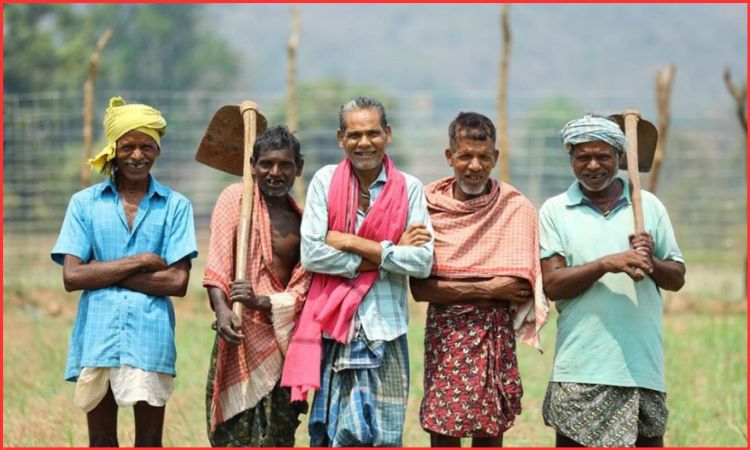
Vedanta Limited has reinforced its commitment to transforming rural economies by empowering nearly 50,000 farmers across its operational regions through a comprehensive approach centered on farmer-led institutions, climate-smart agriculture, and livelihood diversification. The company’s integrated rural development strategy has generated approximately Rs 14 crore in rural income during FY 2024-25, marking a significant milestone in India’s agricultural transformation journey.
At the heart of Vedanta’s farmer empowerment model lies the creation and strengthening of farmer-owned institutions. Across its various business divisions including Hindustan Zinc, Vedanta Aluminium, Cairn Oil & Gas, Iron Ore Business, ESL Steel, and FACOR, the company has facilitated the formation of seven Farmer-Producer Organisations. These FPOs enable farmers to collectively manage dairy operations, cattle feed production, biomass facilities, and value-added agricultural enterprises, shifting them from fragmented farming practices to market-linked ventures. Participating farmers have recorded average income growth of 10 percent and achieved up to 25 percent higher crop yields while gaining leadership and decision-making authority over their livelihoods.
Farmer-Producer Organisations Driving Income Growth and Resilience
Vedanta’s FPO-led interventions have transformed livelihoods across multiple states. In Rajasthan, Hindustan Zinc has supported farmers across nearly 200 villages, where FPO interventions generated approximately Rs 80 lakh in income over three years, marking 40 percent growth since inception. The diversified model encourages farmers to expand into dairy, horticulture, oilseeds, and allied activities, backed by improved irrigation systems and assured market linkages.
In Odisha and Chhattisgarh, initiatives such as Mor Jal Mor Maati at Vedanta Aluminium and Project Jeevika Samriddhi at BALCO have strengthened farm incomes through improved irrigation and agronomy. Farmers adopting the System of Rice Intensification, a water-efficient rice cultivation method, have increased household incomes by up to 50 percent in select locations while simultaneously reducing resource consumption. These interventions directly address climate vulnerability by introducing sustainable farming models that maintain productivity despite environmental pressures.
The gender dimension of these initiatives is equally significant. Over 20,000 of the farmers supported are women, with female leaders managing FPOs and Self-Help Groups while running agricultural and dairy enterprises. Women participants have also developed kitchen gardens generating household incomes between Rs 20,000 to Rs 30,000 annually while improving family nutrition through organic vegetable cultivation.
Technology Integration and Natural Resource Management Reshape Agricultural Practices
Vedanta’s approach to rural transformation extends beyond traditional farming into precision agriculture and environmental stewardship. Automated Weather and Water Stations provide farmers with real-time weather forecasts, soil health insights, and pest alerts, enabling data-driven decision-making. In western Rajasthan, initiatives like Maru Sagar Dairy and Barmer Unnati have strengthened milk procurement systems, promoted organic farming, and collectively conserved over 45 crore litres of water through comprehensive watershed development.
Digital tools including Ayushman CowFit collars and Digital AI Guns, help farmers adopt precision livestock management, while solar-powered irrigation systems enable multi-cropping in water-stressed regions. Partnership with ICAR-CTCRI aims to convert red mud into a nutrient-rich soil conditioner, turning industrial byproducts into sustainable agricultural inputs. Collaborative arrangements with NABARD strengthen rural skilling programmes, equipping youth with modern agricultural techniques and enterprise skills.
The company’s skills development initiatives encompass mushroom cultivation, composting, beekeeping, and scientific farming techniques in Odisha and Jharkhand. FACOR’s Project Sathi Pashukalyan focuses on animal health through vaccination drives and community awareness programmes, directly strengthening dairy and livestock-based income pathways. These parallel income streams reduce dependency on single crops and enhance household resilience to agricultural shocks.
Scaling Impact Through Strategic Partnerships and Long-Term Investment
Vedanta’s rural strategy aligns directly with India’s national development goals and UN Sustainable Development Goals. By combining institution-building, technology adoption, and natural resource management, the company is creating farmer-led enterprises that operate at scale. Youth-focused programmes ensure the long-term sustainability of these institutions, with the next generation equipped with modern agricultural and technology skills.
The company has pledged Rs 5,000 crore over five years for broader social impact programmes spanning nutrition, women and child development, healthcare, and animal welfare. This commitment reflects recognition that agricultural transformation extends beyond farming into entire ecosystems of community resilience and economic opportunity. For India’s rural economy, Vedanta’s initiatives demonstrate how industrial enterprises can catalyze grassroots economic transformation while advancing their own sustainability objectives.