Varicose veins can be more than just a cosmetic concern—they can lead to discomfort and potential health issues if left untreated. For those seeking vein treatment in Tucson, understanding your options is the first step toward meaningful relief. In this text, we’ll break down what varicose veins are, explore a range of effective treatments, and help you determine which solution may be best suited for your needs. Our goal is to provide clear, actionable insights so you can move toward fast, safe, and lasting relief.
Understanding Varicose Veins
Varicose veins occur when veins become enlarged and twisted, often appearing bulging and blue. They commonly develop in the legs and are influenced by several factors including genetics, age, and lifestyle.
Symptoms and Causes
The symptoms of varicose veins can vary from mild to severe. Common signs include:
- Visible bulging veins
- Pain or heaviness in the legs
- Swelling in the legs or ankles
- Cramping or itching near the veins
While the exact cause remains not fully understood, we know that varicose veins happen when the valves in the veins weaken. These valves are meant to help blood flow back to the heart, but when they fail, blood pools in the veins, leading to their enlargement. Factors that may contribute to this condition include:
- Genetics
- Prolonged standing or sitting
- Hormonal shifts, especially during pregnancy or menopause
Risk Factors
Several risk factors can increase our chances of developing varicose veins:
- Age: The risk grows as we get older.
- Gender: Women are more likely to have them due to hormonal influences.
- Obesity: Extra weight adds pressure to our leg veins.
- Sedentary Lifestyle: Lack of physical activity can weaken our veins.
Understanding these factors helps us take preventive measures when possible.
Exploring Treatment Options
Proper treatment for varicose veins can significantly improve our quality of life. Here are some common options ranging from home remedies to advanced medical procedures.
Lifestyle Changes and Home Remedies
Making healthier lifestyle changes can prevent varicose veins from worsening. Here are some effective measures:
- Exercise Regularly: Engaging in activities like walking or cycling can promote better blood circulation.
- Elevate Legs: When resting, we can elevate our legs to reduce swelling.
- Compression Stockings: Wearing compression stockings can provide support and improve blood flow in our legs.
Home remedies may also offer temporary relief: for instance, the application of apple cider vinegar or herbal treatments may minimize discomfort, although we should consult with a specialist for lasting solutions.
Minimally Invasive Procedures
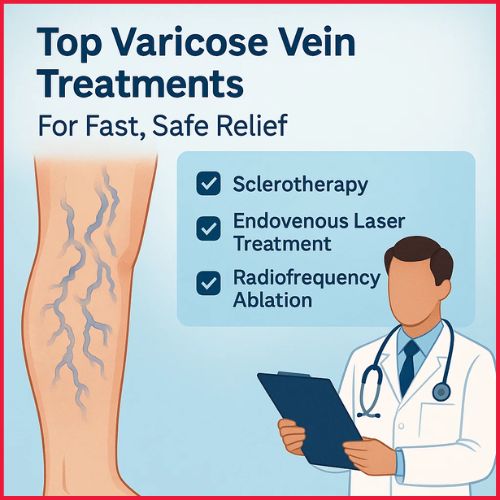
For those looking for swift results, minimally invasive techniques are available:
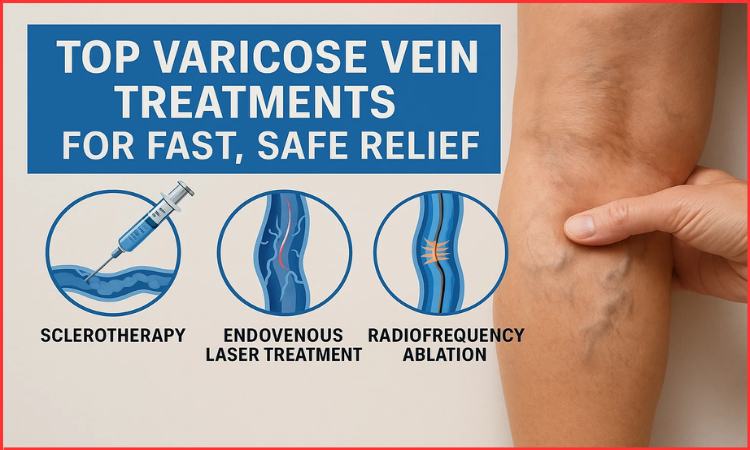
- Sclerotherapy: This involves injecting a solution into the affected veins, causing them to collapse and fade. It’s often used for smaller varicose veins and spider veins.
- Endovenous Laser Treatment (EVLT): This uses laser energy to close off varicose veins, which are then gradually absorbed by the body.
- Radiofrequency Ablation: Similar to EVLT, this procedure involves applying radiofrequency heat to close vein sections.
Such options can usually be performed in an outpatient setting, allowing us to resume normal activities quickly.
Sclerotherapy
Sclerotherapy stands out as one of the most popular methods for treating varicose veins. It’s minimally invasive and involves a solution that irritates the lining of the vein, leading it to close and eventually disappear. Typically, several sessions may be needed, but patients often experience little to no recovery time.
Endovenous Laser Treatment (EVLT)
In this technique, a thin laser fiber is inserted through a small incision. The laser energy then destroys the vein wall, which later seals shut. Patients can typically go home shortly after the procedure, and many report significant relief right away.
Radiofrequency Ablation
This is a complementary method to EVLT, utilizing radiofrequency energy instead of laser to treat varicose veins. It also offers quick recovery times and minimal discomfort. Like EVLT, it’s effective for larger varicose veins and has a high success rate.
Surgical Solutions
For more severe cases, surgical interventions may be necessary to provide long-term solutions.
Choosing The Right Treatment
Selecting the right treatment for varicose veins hinges on various factors including the severity of the condition and our personal preferences.
Consultation With A Specialist
We must consult with a qualified healthcare provider to review our symptoms and discuss potential treatments. They can help us understand which options may work best based on our overall health and specific condition.
Factors Influencing Treatment Choice
Several elements will influence our treatment choice:
- Severity of Varicose Veins: More severe cases might require surgical intervention, while milder symptoms can be treated with sclerotherapy.
- Health History: Pre-existing conditions may affect the choice of treatment, making it vital to disclose all medical history to our specialist.
- Personal Preferences: We should consider what we’re comfortable with, whether that means opting for a minimally invasive procedure or a more traditional surgical option.
Conclusion
Finding fast and safe relief from varicose veins is paramount not just for our appearance but for our overall well-being. By understanding what varicose veins are, recognizing the treatment options available, and consulting with specialists, we empower ourselves to make informed decisions. Remember, the sooner we address the issue, the better our chances of preventing complications. Whether it’s through lifestyle changes, minimally invasive procedures, or surgical options, we can take proactive steps toward healthier, pain-free legs.