India continues its path forward toward a greener, sustainable environment with electric vehicles (EVs) serving as the focal point for that transition. The increase in fuel prices, government support for EV adoption, and rising environmental awareness have all contributed to the growing number of EVs in use in India today. By 2026, India’s EV ecosystem will be more developed, competitive, and driven by innovation than it has ever been.
This article will look at the Top 10 EV Companies in India by 2026, detailing each company’s business model, flagship products, immediate and long-term impacts on the Indian EV market, and their growth potential. The articles intend to help readers identify which EV manufacturers are leading India’s charge toward creating the electric mobility industry.
Why Electric Vehicle Companies Are Growing Rapidly in India
India’s growth in electric vehicles (EVs) is the result of ongoing developments and continuous support from Government Policies such as Faster Adoption and Manufacturing of Electric Vehicles (FAME), reduction in the Goods and Services Tax (GST) on EVs and investment in developing Charging Infrastructure, along with providing an ecosystem for continued growth of Electric Vehicles in India with these programs.
Therefore, EV companies in India are no longer considered niche companies; they are positioned within the everyday marketplace to become leading mobility brands in India. EVs will increasingly capture a larger share of the automotive marketplace by providing consumers with:
- Continued lower operating costs for EVs compared to gasoline-powered vehicles.
- Lower levels of CO₂ emissions compared to gasoline-powered vehicles.
- Increasingly more intelligent technology-enabled solutions for mobility than gasoline-powered vehicles provide.
Key Factors That Define Top EV Companies in India
Before ranking EV companies, it is important to understand the criteria used to evaluate them. The top EV brands in 2026 are identified based on:
- Market presence and sales growth
- Product range and technology
- Battery innovation and safety
- Charging ecosystem and service network
- Long-term vision and scalability
Top 10 EV Companies in India in 2026
1. Tata Motors: India’s EV Market Leader
Source: carlelo
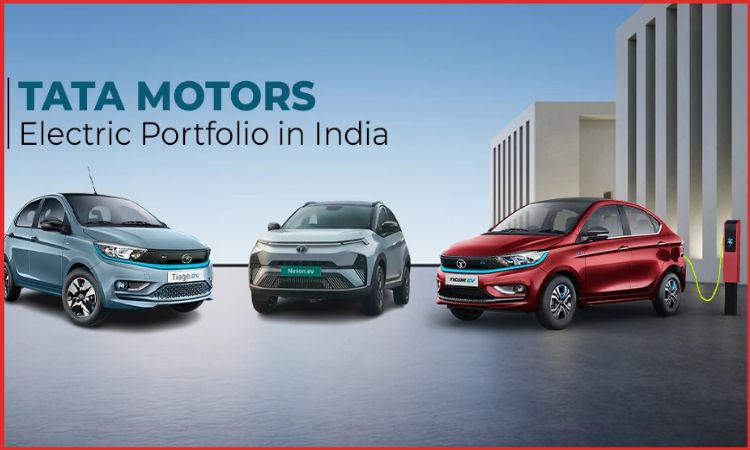
In India, Tata Motors is currently the leading electric vehicle manufacturer and has helped many Indian middle-class families gain access to electric vehicles (EVs). Tata Motors offered affordable and reliable vehicles to help dispel the image that only premium buyers could afford EVs. Tata Motors also provides consumers with greater confidence in purchasing its products due to its strong engineering capabilities and extensive servicing networks in both urban and suburban markets.
Tata Motors’ Nexon EV and Tiago EV are two of the top-selling EVs in India, with both models being very popular among consumers. The early and continuous investments Tata Motors has made in battery technology, local manufacturing, and EV-specific platforms give Tata Motors a significant competitive advantage in the EV market, and the company is projected to remain the largest maker of electric cars in India as of 2026.
2. Ola Electric: Redefining Electric Two-Wheelers in India
(Image Source: Ola Electric)
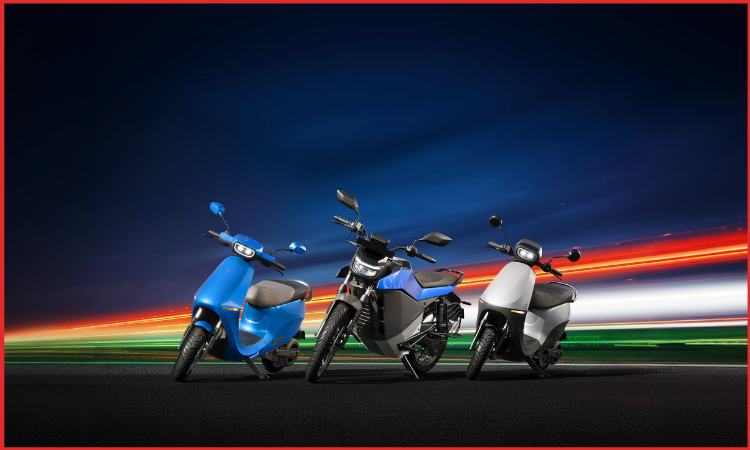
Ola Electric has revolutionized India’s electric two-wheeler market by giving an aspirational image of electric vehicles, with new scooters becoming affordable and accessible in large numbers. The traditional players in this industry have relied on short-run production for their products, whilst Ola has embraced a much broader mass-market approach, implementing large-scale production through aggressive pricing strategies. These factors combined allowed Ola to penetrate millions of Indian households with its products.
Ola Electric’s dominant position within the electric scooter market has resulted from strong R&D efforts directed at producing long-range scooters and fast charging capabilities and the desire to build scooters that utilize the latest software technology and offer services like over-the-air software updates and connected dashboards. By 2026, Ola Electric is projected to further increase its product offering, which could include an entry into the electric motorcycle and electric vehicle segments, solidifying it as one of India’s most prominent electric vehicle manufacturers.
3. Mahindra Electric: Strong Presence in Utility and Commercial EVs
(Image Source: Mahindra Electric)
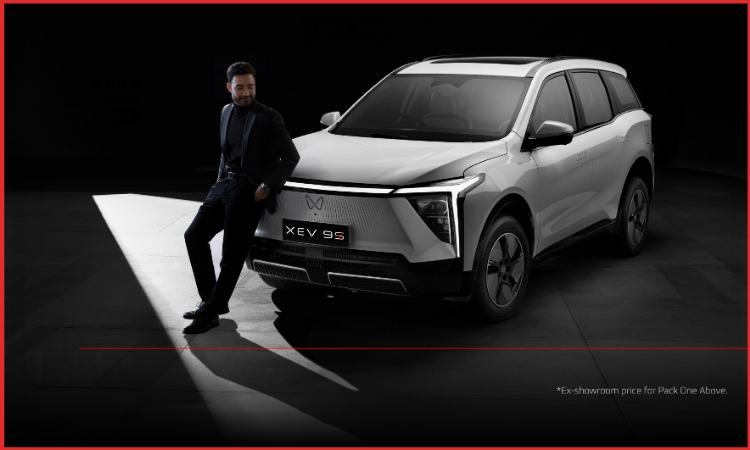
Mahindra Electric has taken a lead role in developing the EV sector in India since it was established before the popularity of battery-powered vehicles increased across the country. Future growth for Mahindra comes through EVT in fleet operators and government agencies that operate commercial (Fleet) EVs and work with companies that provide shared mobility.
The way Mahindra has decided to enter the EVT space is from a perspective of ruggedness, viability of use, and the wide-scale implementation of commercial vehicle(s) into existing circuits for heavy haul/delivery purposes. With the continued rise in demand for electric taxis, electric delivery vans, and utility EV (Commercial) use, Mahindra will further solidify its position as a supplier of EVs in 2026 for Fleet and Commercial Applications.
4. Ather Energy: Premium Electric Scooter Brand in India
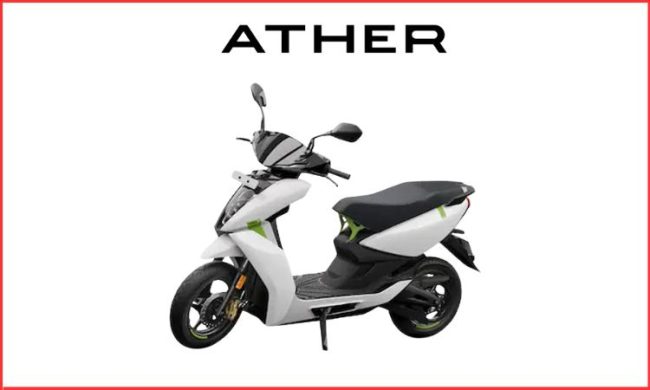
Ather Energy India is a high-end electric scooter company that caters mainly to urban and tech-savvy consumers. The company’s products feature a unique, modern design, an advanced user interface, and superior reliability compared to other lower-cost electric scooters.
The biggest difference between Ather Electric Scooters and other electric scooter brands is that Ather has put an emphasis on creating its own technologies as well as establishing an extensive fast-charging infrastructure. Furthermore, Ather Electric Scooters continuously improve their products with software updates that will increase the value over time for the user. Even though Ather’s prices are generally higher than those of other brands, their emphasis on creating quality products has resulted in very loyal customers, which continues to place them among the premier electric vehicle manufacturers in India.
5. TVS Motor Company: A Legacy Brand Embracing Electric Mobility
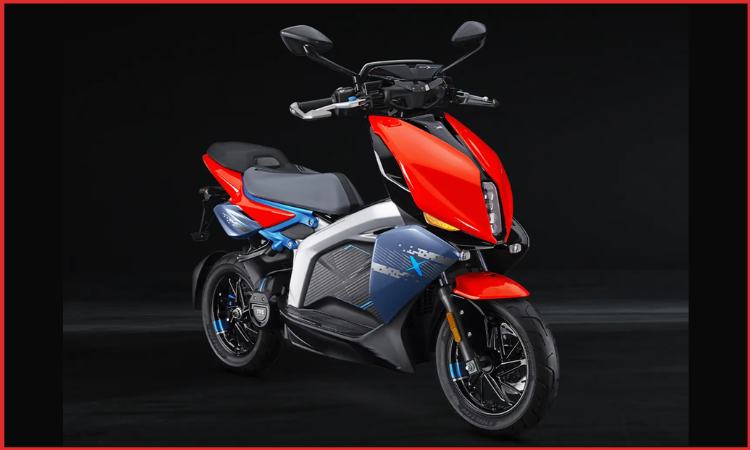
(Image Source: TVS Motor)
TVS Motor Company has shifted from a standard ICE manufacturer to an electric vehicle (EV) company while continuing to leverage the strengths of their brand. Their EVs have been developed with a focus on leveraging both the inherent trust that consumers have in the company and years of design and production expertise, resulting in vehicles that are reliable for daily commuting.
TVS has decades of manufacturing experience, as well as the largest dealer network in the country. They provide strong after-sales support to consumers choosing to purchase an EV for the first time. TVS is poised to aggressively grow its electric product line across both Scooters and Light Electric Bikes by 2026, thereby enhancing its position in the rapidly growing EV marketplace.
6. Bajaj Auto: Scaling Electric Mobility with the Chetak Brand
Source: auto.hindustantimes
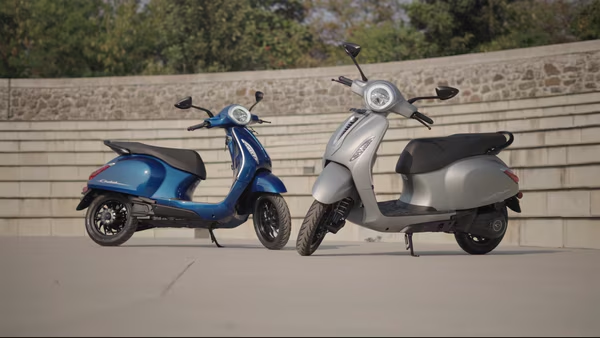
The entry of Bajaj Auto into the electric vehicle (EV) market with its Chetak electric identity demonstrates a careful and thoughtful strategy to move into the EV segment. The company chose to place more emphasis on creating high-quality products, ensuring the safety of its customers and ensuring the proper development of brand recognition, rather than rushing to rapidly grow the company with new products.
Bajaj’s line of EVs has established a reputation for high-quality finishes, for good safety ratings and for performance that is smooth. Over the next few years, as Bajaj continues to gain ground in the EV space, an increase in product development and reputation will position Bajaj as a strong presence in the Indian EV market by 2026.
7. MG Motor India: Smart and Connected Electric Cars
Source: livemint
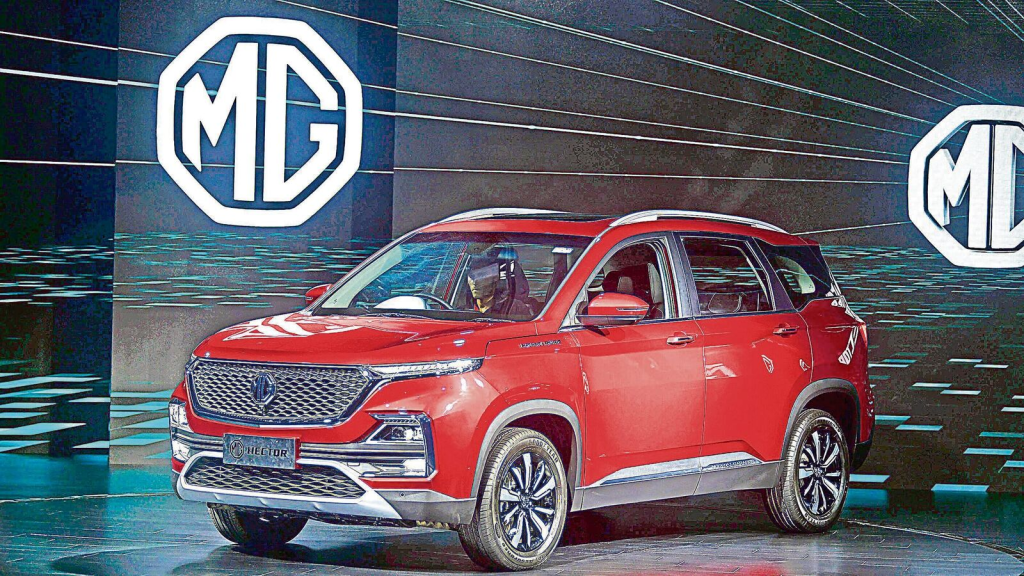
The electric vehicle brand from MG Motor India primarily caters to technology-oriented consumers in urban markets who wish to purchase an electric vehicle available at a premium price point. The electric vehicles produced by MG Motor India focus heavily on offering high-tech connectivity features, sophisticated safety systems and modern styling; thus, they are appealing to premium buyers of EVs.
The company’s primary strength is that it combines smart technology with very aggressive electric vehicle pricing. As demand for electric vehicles that provide connected and feature-rich experiences continues to grow among consumers, MG Motor India is likely to continue expanding and diversifying its portfolio of electric vehicles through 2026.
8. Hyundai Motor India: Bringing Global EV Expertise to India
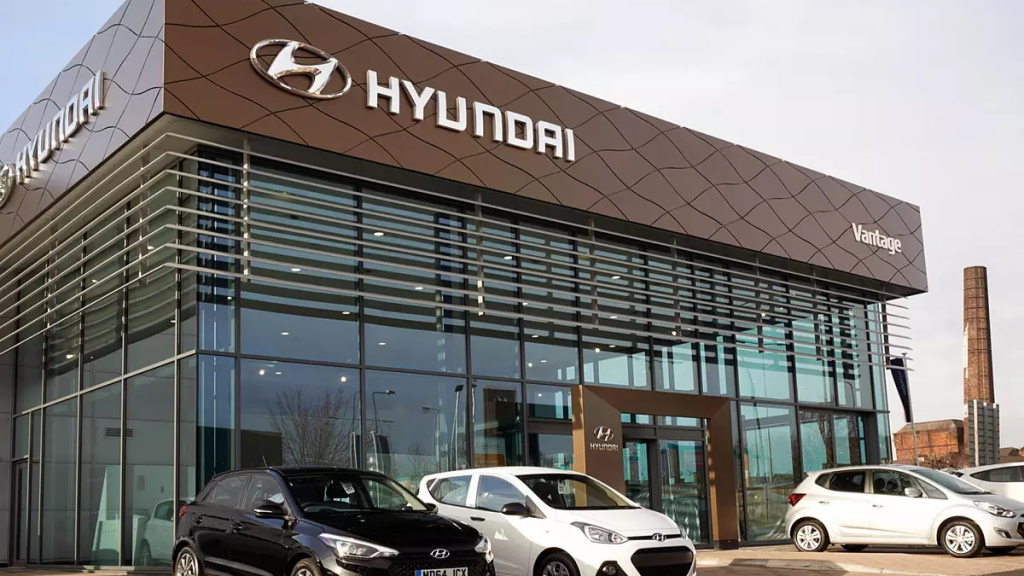
Source: news24online
Hyundai Motor India is bringing their vast global EV knowledge into the Indian market. Hyundai has a solid reputation for their high-quality engineering, safety features, and dependable performance, which will be reflected in the company’s electric vehicles.
Hyundai’s investment in R&D, world-class EV platforms, and well-established reputation as a trusted brand puts the company in a strong position for future success. As India continues to see an increase in electric vehicle use, Hyundai will likely take a large portion of the electric vehicle market by 2026.
9. BYD India: Leader in Electric Buses and Battery Technology
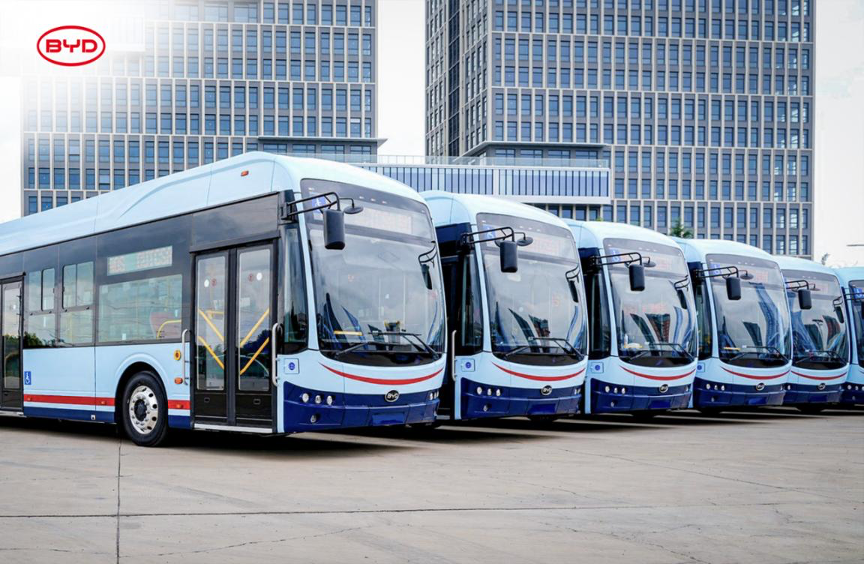
Source: byd
BYD India has established itself as a leader in the electric bus and commercial EV markets with a focus on public transport. BYD has led efforts to transition state-owned buses located throughout India to a cleaner, electric fleet.
Beyond buses, BYD plans to enter the premium passenger vehicle market, and they have developed skills and knowledge associated with manufacturing batteries as well as with providing large quantities of electricity. The exponential growth that BYD is expected to see by 2026 will be driven by government-funded and institutionally supported EV projects.
10. Hero Electric: Making EVs Affordable for the Masses
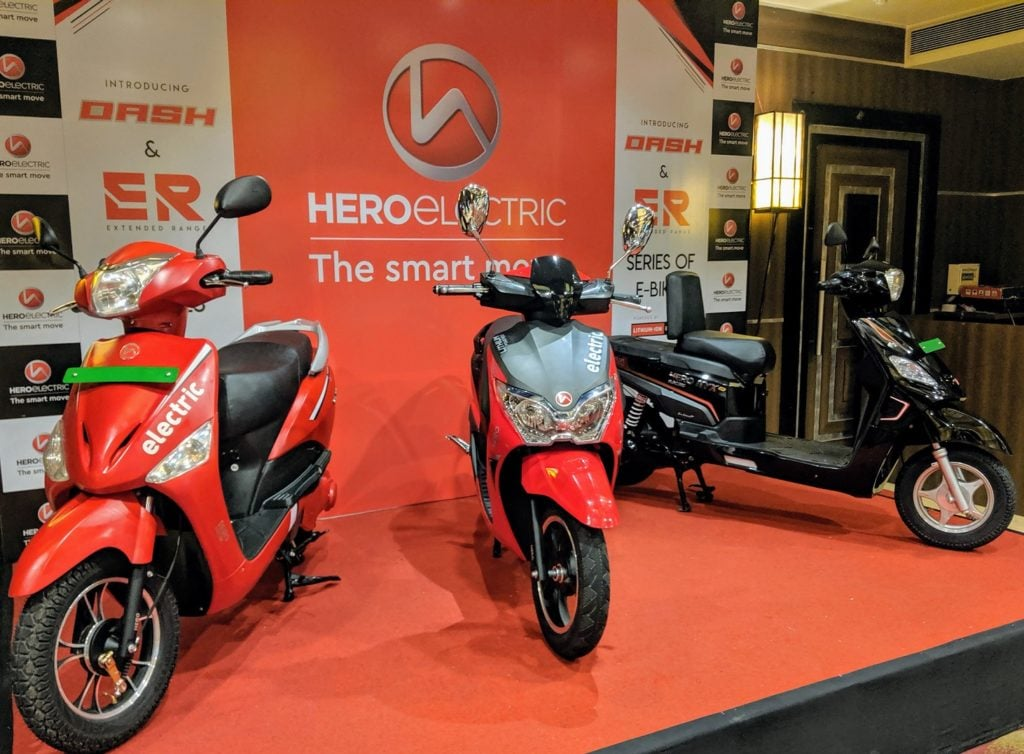
Source: auto-new1.blogspot
Hero Electric is mainly concerned with making entry-level electric scooters available to as many Indians as possible. Their electric scooters offer affordable pricing, a simple aesthetic, and ease of use, which makes them attractive to new EV purchasers and urban commuters.
Due to their commitment to producing low-cost electric scooters with low running costs, Hero Electric has continued to provide a strong presence in what has become an extremely competitive environment. Hero Electric will remain a major player in the Indian electric vehicle (EV) market even as more companies join the fray and provide additional options for consumers.
Comparison Table: Top EV Companies in India (2026)
| Company | Segment | Key Strength |
| Tata Motors | Electric Cars | Mass-market leadership |
| Ola Electric | Two-Wheelers | Scale and innovation |
| Mahindra Electric | Utility & Commercial | Fleet EVs |
| Ather Energy | Premium Scooters | Technology focus |
| TVS Motor | Two-Wheelers | Brand trust |
| Bajaj Auto | Scooters | Quality and reliability |
| MG Motor | Electric Cars | Smart features |
| Hyundai | Electric Cars | Global expertise |
| BYD India | Buses & Cars | Battery technology |
| Hero Electric | Scooters | Affordability |
Challenges Facing EV Companies in India
Despite rapid growth, EV companies face challenges such as:
- Charging infrastructure gaps
- Battery recycling concerns
- High upfront vehicle costs
- Consumer awareness
Future of EV Companies in India Beyond 2026
As electric mobility gains traction in India, it is expected that EV companies will evolve rapidly due to innovations made possible by improved battery technology, expanded EV infrastructure networks, changes in government policies, etc., making them more competitive and attractive to consumers. By 2030, EVs are expected to be the mainstream vehicle type, rather than just a niche.
Conclusion
The best ten EV manufacturers in India in 2026 comprise both established carmakers as well as new-age entrepreneurs, all of whom are at the forefront of changing how Indian consumers think about electric transport, how they get around and commute, and their own responsibilities to conserve natural resources.
The growth of the market for electric vehicles will change not only the dynamics of the auto industry, but it will also have a profound impact on India’s environment and economy for decades to come.
FAQs
1. Which is the No.1 EV company in India in 2026?
Tata Motors is expected to remain the leading EV company in India.
2. Are EVs suitable for long-distance travel in India?
Yes, improving charging infrastructure is making long-distance EV travel more practical.
3. Which EV company is best for scooters?
Ola Electric and Ather Energy are among the top choices.
4. Are EVs cheaper than petrol vehicles?
EVs have higher upfront costs but are cheaper to run and maintain.
5. Will EV companies dominate India’s auto market?
EVs are expected to capture a significant share, especially in urban and commercial segments.