(Image Source: Justin Sullivan/Getty Images)
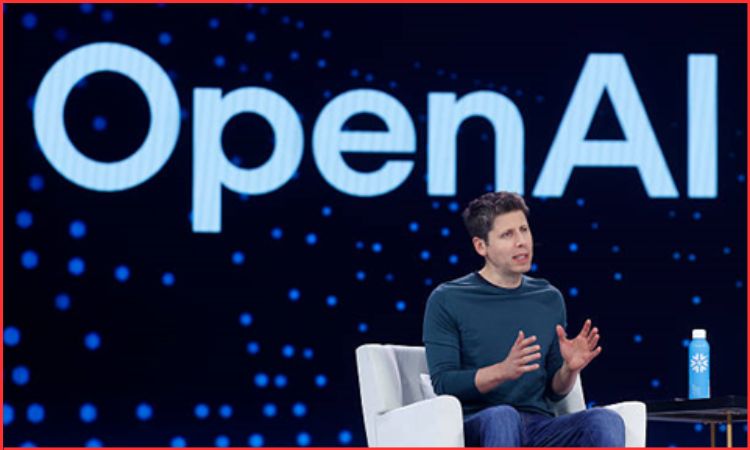
Sam Altman wants India to be OpenAI’s largest market. That’s not just talk anymore. The artificial intelligence company is in serious negotiations with Tata Consultancy Services to build computing infrastructure and develop AI tools right here in the country.
The Infrastructure Play
According to reports from early December, the two companies are deep in discussions about a partnership that could reshape how Indian businesses use AI. At its core is a simple but massive commitment: OpenAI would lease about 500 megawatts of computing power from TCS’s new data center business, HyperVault. That’s the kind of infrastructure you need to run serious AI operations at scale.
Why should you care? Because this deal could bring world-class AI capabilities directly to Indian companies without the usual delays and complications of working with foreign-based systems. And for TCS, it’s a chance to position itself as the bridge between global AI leaders and Indian enterprises that desperately need these tools.
The infrastructure piece is worth understanding. TCS and its investment partner TPG are pumping about 18,000 crores into HyperVault, with the total project expected to cost somewhere between 6.5 to 7 billion dollars. These aren’t your typical data centers. They’re specifically built for artificial intelligence, meaning they can handle the kind of computing power that training and running large language models requires. India has strict rules about where data can be stored, so having local infrastructure matters. Companies can’t just move their sensitive information overseas anymore, which makes a deal like this particularly attractive.
What Makes This Different
What makes this different from other AI infrastructure deals is what comes after the computing power gets set up. OpenAI and TCS plan to work together on what’s called agentic AI. These are AI systems that can actually do things on their own, not just answer questions. Think of them as digital workers that can handle complicated business tasks without needing someone to tell them every step.
The companies are focused on specific sectors where this technology could make an immediate difference. Banking, insurance, retail, manufacturing and consumer goods are the main targets. In manufacturing, especially, companies are increasingly looking to AI to help with decision-making on production floors. Studies show that about three-quarters of manufacturers think AI could be a major factor in improving profits in the next few years. That’s a real market ready for solutions.
This whole thing started because OpenAI’s earlier talks with Reliance Industries didn’t work out. There were disagreements about money and terms, so those negotiations fell apart. Rather than give up on India, OpenAI simply looked for another partner. The fact that they turned to TCS suggests they’re genuinely committed to making this work, not just exploring options.
Why India Matters Right Now
The numbers tell you something important. India has more ChatGPT users than anywhere in the world except the United States. That’s millions of people already using OpenAI’s technology every single day. The company wants to serve this huge audience properly, and that means having local operations. It means Indian companies should be able to access cutting-edge AI tools without the friction of international arrangements.
What’s happening here also reflects a larger competition playing out across India. Google has made its own deals with Reliance to bring AI chips and cloud services to the country. Google committed 15 billion dollars to an AI hub in Andhra Pradesh. Amazon and others are making moves too. India’s artificial intelligence market is growing fast, with some estimates suggesting it could reach 17 to 22 billion dollars within a few years. That’s enough to get anyone’s attention.
The Bigger Picture
From a government perspective, this kind of deal fits perfectly with India’s larger strategy around technology. The government started something called the IndiaAI Mission, which aims to develop artificial intelligence systems built by Indians for India. Officials have said they like seeing companies like OpenAI commit to Indian operations because it shows confidence in the country’s potential. It’s not just about money. It’s about establishing India as a serious global hub for artificial intelligence.
For TCS specifically, this partnership could be transformative. The company has been thinking hard about how to stay relevant as artificial intelligence changes everything about software services. A few years ago, companies like TCS made money by writing code and managing systems. Now those things can be done by AI. The companies that survive and thrive are the ones figuring out how to use AI rather than compete against it. Working with OpenAI on agentic AI solutions could help TCS reinvent itself and serve its customers in ways that didn’t seem possible before.
What It Means for Business
The negotiations are still ongoing. Both companies are expected to make some kind of formal announcement before the end of this year, though nothing is confirmed yet. Senior TCS leaders have been in the United States working through the details.
What should you remember about this? First, OpenAI is betting big on India. Second, they’re doing it with actual infrastructure investments, not just promises. Third, this is happening at a moment when artificial intelligence is about to change how almost every business operates. And fourth, Indian companies now have a chance to access world-class AI capabilities without waiting for the rest of the world to figure it out first.
That’s genuinely important for anyone running a business in this country right now.