Over the past decade, India has gone through inspiring change as more and more women are emerging in business as leaders and innovators. These women are building companies from scratch and bringing innovative ideas that are advancing our economy and society. Many of them started with no financial support and no family business background, but with resilience and vision, they built brands that are now household names.
In this article, we will highlight Top 20 Successful Women Entrepreneurs in India 2026. They have broken barriers and shown that women can excel in every industry, from technology and finance to fashion, food, and social impact. Their stories are a reminder that success is about how determined you are to keep going.
| Women Entrepreneurs in India | Company | Industry |
| Falguni Nayar | Nykaa | E-commerce, Beauty & Wellness |
| Kiran Mazumdar-Shaw | Biocon | Biotechnology |
| Ghazal Alagh | Mamaearth | FMCG, Personal Care |
| Upasana Taku | MobiKwik | Fintech |
| Richa Kar | Zivame | E-commerce, Fashion |
| Neha Bansal | Lenskart (Co-founder) | Eyewear Retail & E-commerce |
| Ruchi Kalra | OfBusiness (Co-founder) | B2B Commerce, MSME Support |
| Kavitha Subramanian | Upstox (Co-founder) | Fintech, Investments |
| Malika Sadani | The Moms Co. | FMCG, Mom & Baby Care |
| Shradha Sharma | YourStory | Media & Entrepreneurship |
| Vineeta Singh | SUGAR Cosmetics | Beauty & D2C Retail |
| Vani Kola | Kalaari Capital | Venture Capital |
| Aditi Gupta | Menstrupedia | Education, Health |
| Suchi Mukherjee | LimeRoad | E-commerce, Fashion |
| Radhika Ghai Aggarwal | ShopClues, Kindlife | E-commerce, Sustainability |
| Anamika Khanna | Anamika Khanna Label | Fashion |
| Mira Kulkarni | Forest Essentials | Luxury Ayurveda |
| Ritu Kumar | Ritu Kumar Label | Fashion & Textiles |
| Jyoti Naik | Lijjat Papad | FMCG, Cooperative Business |
| Meena Bindra | BIBA | Fashion & Retail |
Top 20 Successful Women Entrepreneurs in India
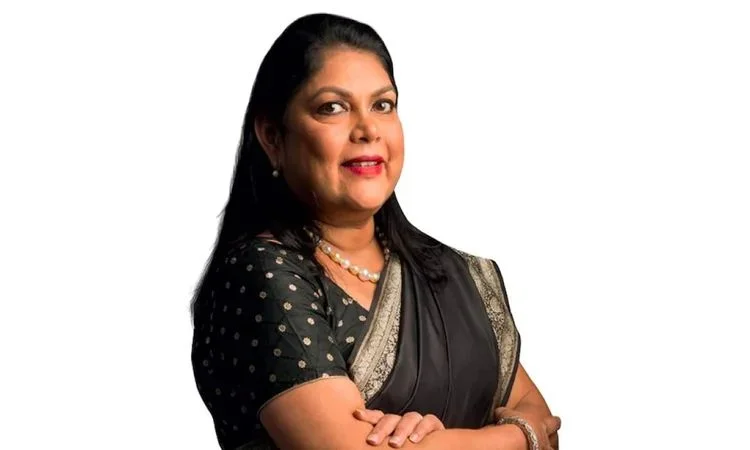
1. Falguni Nayar (Nykaa)
Source: Business Today
She is a perfect example of how it’s never too late to follow your dreams. She worked as an investment banker. But at 50, she quit her high-paying job to start her own company. In 2012, she launched Nykaa, an online beauty and wellness store. At that time in India, buying makeup and skincare products online was not common. Falguni’s idea was to give people easy access to high-quality beauty products from around the world.
What started as a small e-commerce website has turned into a billion-dollar brand that sells makeup, skincare, haircare, fashion, and accessories, with physical stores in many cities in India, making Nykaa one of the largest beauty retailers in the country. In 2026, Falguni Nayar made it as one of the richest self-made women in the world.
2. Kiran Mazumdar-Shaw (Biocon)
Source: Biocon
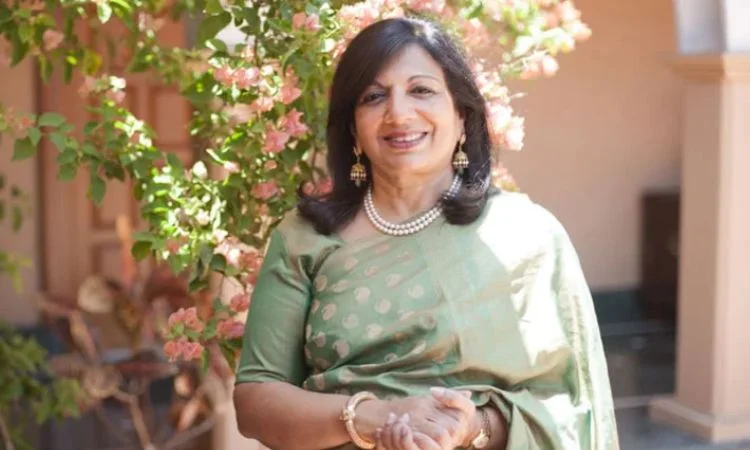
Kiran’s journey is a true inspiration, as she ventured into an industry that was virtually nonexistent in India at the time. In 1978, without much financial support, she founded Biocon in the garage of her rented apartment. She began with the manufacture of enzymes, but she had bigger ambitions and wanted to make medicines that are affordable. When she started, biotechnology was a totally new landscape in India.
Today, Biocon is a global pharmaceutical enterprise, manufacturing life-saving medicines such as affordable insulin for diabetic patients and cancer treatment medicines. In 2026, Kiran continues to focus on research and development and making healthcare more accessible. She is not only an entrepreneur but also a role model to women in science and business.
3. Ghazal Alagh (Mamaearth)
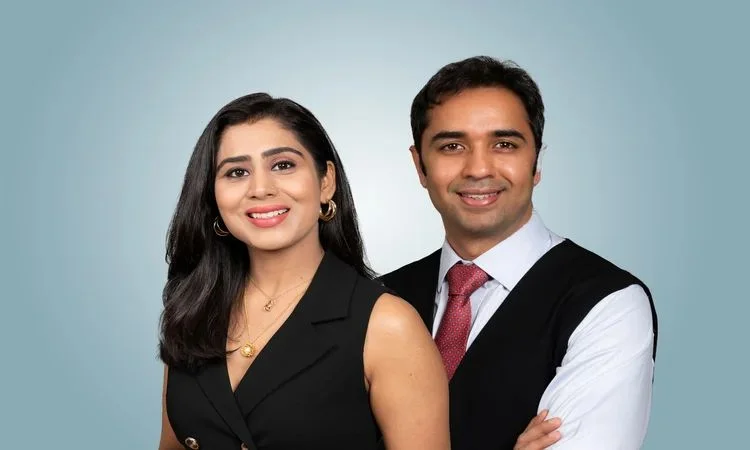
Ghazal Alagh started Mamaearth as a result of a personal struggle. When Ghazal became a mother, she searched for safe and chemical-free products for her baby. During this search, she struggled to find good products in the Indian market. Ghazal decided to start her own brand focusing on natural ingredients and trust.
Mamaearth started by providing toxin-free skincare products for babies and later started expanding with products like shampoos, face washes, creams, hair oils, etc. for adults. Serious product testing meant products were made without toxins and with natural and eco-friendly ingredients. The company has built a strong “good for you, good for the planet” brand image.
In terms of brand commercial success, the company had grown incredibly fast and is seen as one of the most loved beauty and personal care brands in India. In 2023, Mamaearth went public. By 2026, Mamaearth is seen as one of the most trusted and successful skincare companies in India.
4. Upasana Taku (MobiKwik)
Source: Business Today
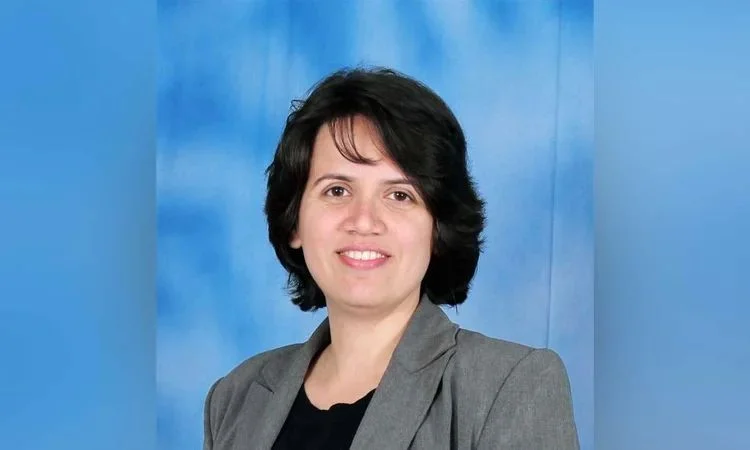
Upasana Taku co-founded MobiKwik in 2009 in order to make payments easier for people in India. At that time, the vast majority of transactions in India were still cash-based. Over the years, MobiKwik has become one of the largest mobile wallets in India, with millions of people using it on a daily basis for services like paying electricity bills, booking tickets, peer-to-peer payments, and online shopping.
Today the company also offers small loans and “buy now, pay later” products, helping people access credit without going through complicated bank processes. Upasana’s work in enabling digital payments has transformed speed and accessibility.
5. Richa Kar (Zivame)
Source: People Matters
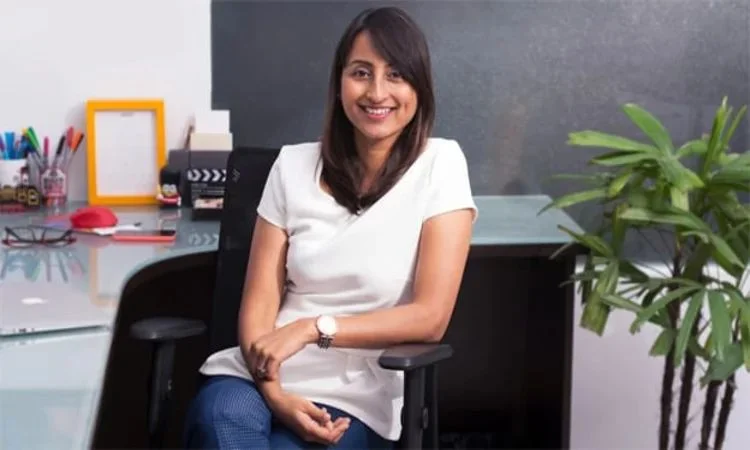
Richa Kar got the idea for Zivame after noticing a big problem: many women across India are embarrassed to buy lingerie from a store. The lack of privacy and limited variety available made the experience uncomfortable. To solve this, she started Zivame, an online store where women can comfortably buy lingerie from their homes. Customers could explore a range of designs without feeling judged. It also provided a size guide and style suggestions to make shopping easier.
As the brand grew, Zivame became more than just an online store; it became a brand that wanted to help women feel good in their own skin. Zivame has broken the social norm of not being able to discuss buying intimate wear with your friends. Today, Zivame is a household name throughout India.
6. Neha Bansal

Source: lenskart
Neha Bansal co-founded Lenskart to ensure that quality eyewear was affordable and accessible to everyone. When the company first started, it was selling glasses online, which was an entirely new concept in India. Customers selected their frames from a wide range, uploaded their prescriptions, and received their glasses at home.
Lenskart had its first innovation, a “home eye check-up” service; now there are “AI-powered eye tests” making eye care even easier for consumers. Lenskart added fashionable sunglasses, contact lenses, and blue light protection glasses for screens.
In 2026, Lenskart is one of India’s biggest optical retail chains, with hundreds of stores in multiple countries. The company’s commitment to combining technology with customer service ensures that people receive the best eyewear at fair prices. Neha’s work has modernized eye care, making it more accessible and affordable.
7. Ruchi Kalra

Ruchi Kalra saw that many small and medium enterprises in India (MSMEs), especially in construction, manufacturing, and infrastructure, were struggling with two primary issues: sourcing raw materials at appropriate prices and obtaining adequate financing to run their business.
She co-founded OfBusiness, a marketplace enabling these companies to purchase their supplies from reputable suppliers and also obtain loans and access to credit. Rather than wasting time securing materials and negotiating prices, companies could rely on OfBusiness to supply and source quickly, typically at better terms.
The platform has entirely transformed the industrial landscape for India. Dozens of MSMEs are now able to obtain raw materials like steel, cement, and chemicals and also have additional financing solutions to help faster growth without cash flow issues for the business. The OfBusiness market alone is worth several billion dollars in the short order. They will be a significant driver of Indian manufacturing and infrastructure growth.
8. Kavitha Subramanian

Source: startuphonor
Kavitha Subramanian’s goal was to simplify stock market investing and make it more affordable and accessible to people beyond the experienced investor. Co-founding Upstox, she led a team to produce an online equivalent to free stock market investing, where customer account opening, trading shares, and investing in mutual funds became as easy as possible.
The strength of Upstox is low cost. Customers can invest with small or no fees. The mobile App and website is very simple and beginner-friendly. Open the App, and it will guide account opening to investing in one screen and one button. Tutorials, blogs and webinars help users learn about investing and become skilled at financial planning.
Millions of new Indian Investors, particularly young adults, are using Upstox to buy and build their own investment portfolios. It has resulted in millions of more Indians can control their finances and grow their wealth.
9. Malika Sadani

Source: thebossconfidential
Malika Sadani, who is a mother herself, saw a big gap in the Indian market; there weren’t enough safe & natural products for mothers and babies, and many of the products available were either harmful, which was worrying for parents who wanted the best for their babies.
To overcome this gap, she started The Moms Co., building a brand to create toxin-free, natural and dermatologist-tested solutions for maternity and childcare. With everything from pregnancy-safe skincare to gentle baby lotions and shampoos, every product is made from natural ingredients and is free of harmful substances.
Since then, The Moms Co. has gained the trust of parents in India and is now seen as one of the most reliable names in the maternity and baby care category. By 2026, the brand will have gone international too, providing parents in other parts of the world with safe & natural products.
10. Shradha Sharma

Source: thetrendingpeople
Shradha Sharma’s mission was to build a place to share and celebrate the stories of entrepreneurs, especially those who were just starting. In a vast and diverse country like India, many inspiring stories of learning and legacy remain untold.
She started YourStory, a digital media platform that covers and shares the stories of entrepreneurs’ successes, struggles, and lessons from entrepreneurs in a variety of industries. In addition to publishing inspiring pieces, YourStory offers pertinent insights, interviews, and networking connections to other founders and investors.
Today, YourStory is India’s biggest outlet for startup news and stories of the entrepreneurial journey, has made an impact on millions of entrepreneurs, has connected countless entrepreneurs to opportunity, and has played a major role in building India’s startup ecosystem.
11. Vineeta Singh

Source: dence
Vineeta Singh always had a passion for beauty and fashion. She understood that many makeup brands were too expensive or didn’t make shades for Indian skin tones, and that sparked her to start a stylish, affordable brand made for Indian women.
She created SUGAR Cosmetics, which is now a well-known brand known for its bold lipsticks, long-lasting foundations, and trendy makeup products. It is a brand that focuses on quality and affordability so that more women will enjoy using their products.
By 2026, SUGAR Cosmetics will be one of the most loved beauty brands by young women in India. It sells on their website, from major retailers, and has its own outlets in many cities. Vineeta has also built a strong online presence and uses social media to talk with customers and understand their needs.
12. Vani Kola

Source: globalindian
Vani Kola is one of India’s most respected venture capitalists, people who invest money in order to help new companies to grow. She is the founder of Kalaari Capital, a company that helps support founders with funding, mentorship, as well as business advice.
Vani believes in the transformative power of entrepreneurs to change lives and industries. Over her career, she has financed many companies and helped guide them into becoming technology, e-commerce, health and other area leaders. In addition to financing these companies, she provides her learnings and insights to help these business founders be successful.
In 2026, Vani will be recognized as an indelible part of the Indian startup ecosystem and a strong, related voice addressing and critically shaping the future innovation of India. She can confidently say that many successful Indian startups would not have achieved their growth without her assistance and belief in their visions.
13. Aditi Gupta

Source: thetycoonstory
Aditi Gupta observed that talking about menstruation in India was taboo. Many girls lacked proper menstrual health information, resulting in confusion, shame, and health problems. She wanted to change that, so she co-founded Menstrupedia, an organization that normalizes periods and provides menstrual health education to girls and women in a friendly, accessible, and non-judgmental way.
Menstrupedia offers engaging comic books, accessible guidebooks, and online content to allow conversations on menstruation, hygiene, and help remove stigma. All of this material has been used in schools, NGOs, and rural populations to educate young girls and boys on menstrual hygiene and health. By 2026, Aditi has helped break harmful myths for many and enabled thousands of girls to develop knowledge and confidence to manage their periods.
14. Suchi Mukherjee

Source: youthdevelopers
Suchi Mukherjee, the founder of LimeRoad, always wanted to make shopping more engaging and personal. She then founded an online fashion and lifestyle platform consisting of clothing, accessories, and home décor, where members can shop, create style boards, and collectively share ideas.
LimeRoad differentiates itself by allowing people to mash-up, style, and share from multiple products and the trend and price points are accessible. This way, members purchased local, unique products at reasonable prices and small businesses had a spotlight to sell their creations. Today, LimeRoad is transforming the experience of fashion and lifestyle into something engaging and accessible to all. LimeRoad exists in a space where creativity meets affordability.
15. Radhika Ghai Aggarwal

Source: financialexpress
Radhika Ghai Aggarwal made history as the first Indian woman to be the co-founder of a unicorn company (a startup valued at over $1 billion) with ShopClues, an e-commerce platform that provided a wide variety of affordable products to small-town India.
After ShopClues, she headed in a more eco-friendly direction and founded Kindlife, an online platform for eco-conscious products in beauty, wellness, and nutrition. The goal is to help people live a healthy life while also helping to save the planet. Launched in 2019, Kindlife is growing rapidly, and Radhika is seen as an entrepreneur who has expertise in both business and social responsibility.
16. Anamika Khanna

Source: blog.stylecaret
Anamika Khanna stands out among India’s best-known fashion designers. In recent years, she created genius collections combining the uses of traditional Indian fabrics and embroidery with contemporary, international styles. She reduces the work down to textiles that are rich and unique in cuts that carry heritage with modern styling.
There is an abundance of celebrities in India, and some in other countries, who have worn her designer creations at wedding functions, red carpet events, and fashion shows. She also showcased her work at international fashion weeks, paving the way for creative artisanship on a world stage. In 2026, Anamika continues to be a creative and inspiring new designer to do incredible work.
17. Leena Nair

Source: lordsuni
Leena Nair is the Global CEO of Chanel, one of the leading luxury fashion brands in the world. She began her career in India and spent much of her career in Unilever, where she became CHRO and was the first woman and youngest ever HR Chief at Unilever.
Leena’s leadership style is focused on diversity and innovation. When she became CEO of Chanel, she demonstrated that women from India can lead at the highest levels in international business. Leena is an inspiration as she went from a small-town way of life to leading a world-famous luxury brand.
18. Mira Kulkarni

Source: Forbes India
Mira Kulkarni has created the brand Forest Essentials, combining ayurvedic traditions with contemporary luxuries for the skincare industry. She began small, selling individual containers of soaps and oils that she had made herself using traditional ayurvedic and Indian roots, including natural products and quality standards, which helped her create a brand that is loved both in India and abroad.
Today, in 2026, Forest Essentials products can be found in luxury stores around the world, and maintaining its cultural Indian foundation remains at the heart of the social enterprise. Mira’s narrative shows us that when you are passionate about traditional wisdom combined with innovation and quality, your adventure can lead you onto a global business success story.
19. Jyoti Naik

Source: aajkinaari
Jyoti Naik ascended to become a well-respected head of the Lijjat Papad cooperative, a women-led business that has given thousands of Indians more power. By emphasizing quality, collective ownership, and a vision of women’s self-reliance, Jyoti helped grow the cooperative from a small group of women rolling papads in 1959 into a nationally recognized brand.
With more than 40,000 female members, Shri Mahila Griha Udyog Lijjat Papad remains a symbol of women’s empowerment and grassroots entrepreneurship in 2026. The story of Jyoti Naik serves as a reminder that ethical business practices can turn a small cooperative into a long-lasting household name in India.
20. Meena Bindra

Source: financialexpress
One of India’s most popular ethnic clothing brands, Biba Apparels, is led by Meena Bindra. Meena began sewing and selling clothing from her Delhi home in the early 1980s, and the business quickly expanded into a national retail fashion brand. She took advantage of India’s strong affinity for traditional ethnic designs and gave them a contemporary, fashionable makeover while maintaining their affordability.
As of 2026, Biba is a well-known brand with hundreds of locations throughout India and a strong presence online. The story of Meena demonstrates how a small idea can grow into a brand that widely represents modern Indian fashion and cultural pride when it is combined with creativity and consumer understanding.
Conclusion
The experiences of these successful Indian women entrepreneurs show that anything is possible with vision, courage, and commitment. They turned challenges into opportunities, took risks and worked hard to bring their ideas to life. Their impact goes beyond business; they positively impacted society, created employment, and opened the door for the future generation of women.
With growing support from funding, training programs, and events like Startup Mahakumbh 2026, more women are starting to realize their entrepreneurial journeys than ever before. Falguni Nayar’s Nykaa to Vineeta Singh’s SUGAR Cosmetics, these outstanding leaders show what is possible when you work hard and never give up. The future is very bright for women-led businesses in India and we are just getting started.
FAQs: Successful Women Entrepreneurs in India
Q1. What changes have you seen in women’s entrepreneurship in India over the past ten years?
Women have moved from being underrepresented to leading unicorns, international brands, and impact-driven businesses, supported by funding access and changing societal attitudes.
Q2. Which Indian industries are most dominated by female entrepreneurs?
The industries with the highest percentage of female founders are e-commerce, fintech, fashion, healthcare, beauty & wellness, and social enterprises.
Q3. How has Shark Tank India helped to support female entrepreneurs?
The program has given women entrepreneurs more visibility, given them access to funding and mentorship, and highlighted female-led startups.
Q4. Are Indian women entrepreneurs becoming more well-known abroad?
Indeed, globally renowned leaders like Falguni Nayar (Nykaa) and Leena Nair (Chanel) demonstrate that Indian women can run multinational corporations.
Q5. What trends can we anticipate for Indian startups led by women in the future?
Sustainability growth, AI-powered companies, medical advancements, and women-focused financial services will probably dominate.