Before the birth of the iPhone in 2007, mobile phones were basic devices capable of calling, texting, and performing some other activities. The iPhone was much more than a new phone; it was a new concept. For the first time, there was a handheld device that allowed the user to explore the internet, listen to music, view videos, and use apps. As our guide to the iPhone and the incredible story of Steve Jobs, we will demonstrate how the creation of one idea changed our lives and led to one of the fastest transitions to a new way of communicating that has ever occurred on a global scale.
The iPhone has changed and improved mobile phones dramatically, and we now use our phones for everything! Staying in contact with family and friends, providing maps and directions, paying bills and transferring money, and taking pictures and videos. This is the story of Steve Jobs and his crucial role in the birth of the iPhone, showing how one powerful idea can evolve into a global phenomenon.
Who Was Steve Jobs?
Source: britannica
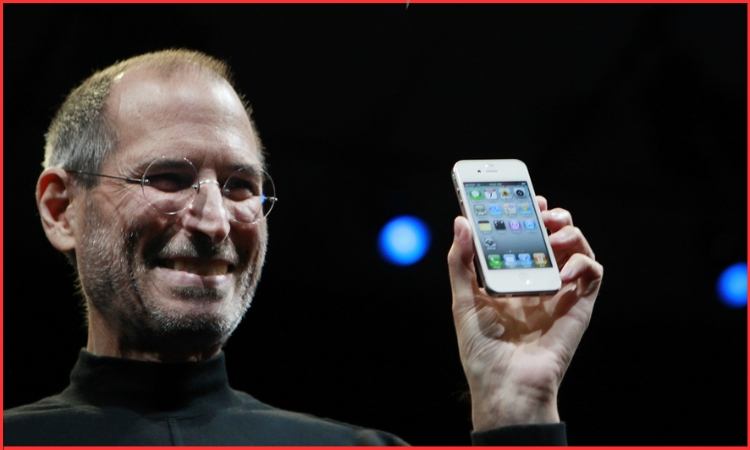
Steve Jobs’ full name was Steven Paul Jobs. Steve was born on February 24, 1955, in San Francisco, California. When he was born, he was adopted by supportive parents, Paul and Clara Jobs. They raised him in the area that would become known as Silicon Valley, the center of technology in the world. As a child, Steve was always curious and grew up taking things apart and trying to understand how they worked; he would take apart radios and televisions just to see what was in them.
Steve attended Reed College in Oregon, but he failed to complete it. Instead of taking a conventional path, he chose to follow his own instincts. He took courses that taught him life lessons about what he was passionate about. Technology was his passion. Steve loved to keep things simple and appealing in products, which, combined with an interest in computers, ultimately led him to co-found Apple. From a young dreamer to one of the greatest entrepreneurs of all time, Steve Jobs proves to us all that we can achieve great things through passion and creativity.
Early Career and Apple’s Beginning
Source: techspot
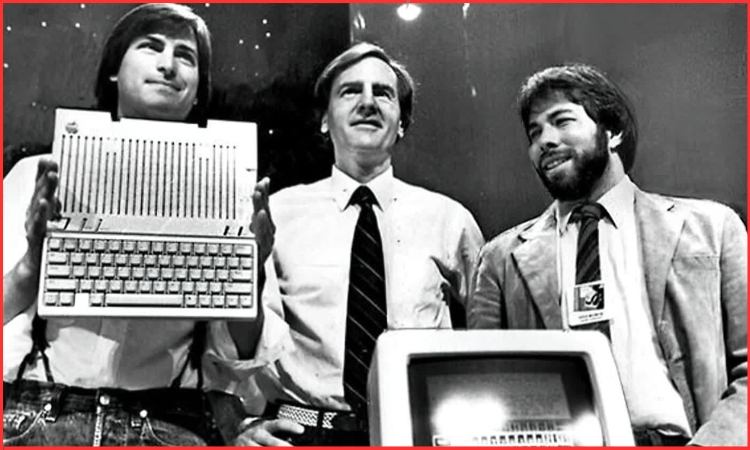
- In 1976, Steve Jobs, Steve Wozniak, and Ronald Wayne founded Apple Computer in the garage of Jobs’ parents.
- Their first product was the Apple I, which was a basic hand-built computer.
- The Apple II became one of the first successful personal computers and the first one many used in homes and schools.
- In 1984, Apple launched the Macintosh, which was the first computer with a graphical interface (where users could click on icons rather than typing).
- In 1985, Jobs left Apple after a disagreement with Apple’s board of directors.
- He then created a new company called NeXT and focused on high-end computers for education and business.
- Jobs bought a small animation company called Pixar, which later made popular films such as Toy Story.
Return to Apple and the Road to the iPhone
Steve Jobs returned to Apple in 1997 at a time when the company was having big problems, losing money, and failing to keep up with competitors. He returned with a vision that would change everything. He started reducing the number of products Apple was making. Instead of trying to sell a number of different devices, he put his effort into several higher-quality products. He also wanted the quality of design and pushed for beautiful, modern designs.
Jobs, as you likely know, not only brought his experience with Pixar with him and their approach to great storytelling and creativity but also made every Apple product feel special to experience. His presentations were worth watching; each presentation became an event that almost any company would pay for or wish their product did. By 2000, Jobs had completely transformed Apple’s public image and was looking ahead to the next big innovation. That innovation would lead to the birth of the iPhone.
Birth of the iPhone
Source: technews
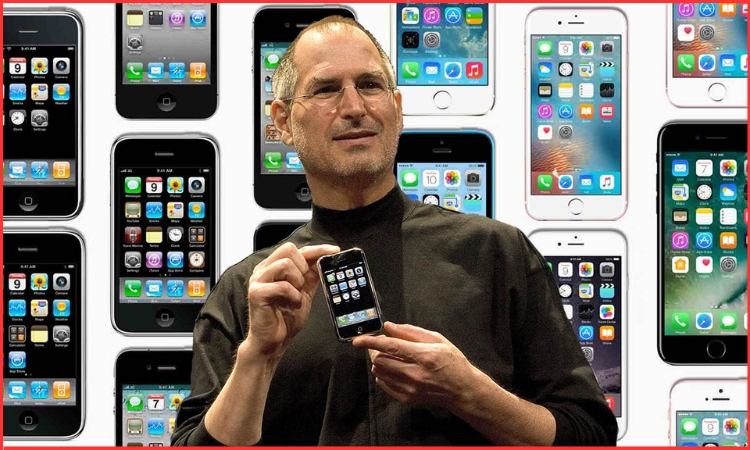
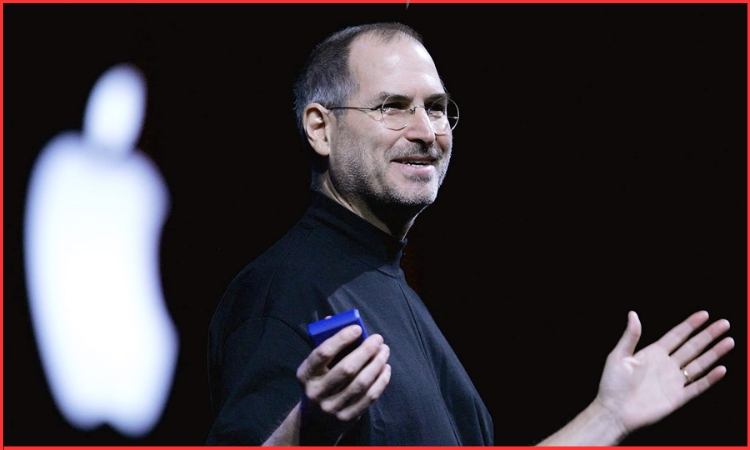
In June 2007, Steve Jobs walked on stage and introduced a device that would change the way that people live and communicate: the iPhone. He said it was three products in one: a widescreen iPod with touch controls, a mobile device unlike anything that existed, and a powerful internet communications device. Instead of three separate devices, it was all on one smartphone, a smart and sleek phone. This new invention amazed everyone because it was easy to use. This was the start of an entirely new era of smartphones.
The audience was amazed, and the tech world has never been the same since. What made the iPhone revolutionary?
- No physical keyboard: it used a full touchscreen, which felt like the future at that point
- Multi-touch feature: you could swipe, tap, and pinch the screen to zoom and scroll
- Real web browsing: it really felt like you were using the internet like you do on a computer, not a phone
- Just a nice, clean design: it was simple to use, even for people who never used technology
In 2008, Apple then launched the App Store, which allowed non-technology companies around the world to create and download apps like games, banks, food orders, etc. The iPhone became a tool for almost anything. It began a whole new way to live. It made smartphones smarter, and it forced other companies to keep up.
Why the iPhone Was a Game Changer
Source: trevorambrose
- Usability: The iPhone made using a phone feel easy and fun. With its touchscreen and simple app icons, you didn’t need to read a manual because it just worked! Compared to old phones with a ton of buttons or, much worse, complicated remotes, the iPhone felt modern and innovative.
- Design: Apple gave the iPhone a clean style and used high-quality materials that made it feel premium in your hand. It was a stylish device that was something people were proud to carry around. This changed the way tech companies thought about making products that are both useful and beautiful.
- Ecosystem: Apple created a full experience. They created iTunes for music and the App Store for apps and made it easy for other Apple products to connect. Apple kept users within the Apple ecosystem. Everything worked together, making it easier for the user.
- Chain reaction of innovation: After the iPhone, tech companies had to raise the bar. It forced competitors like Samsung and Google to make better phones and touchscreens and create app stores. The iPhone started a race to innovate throughout the tech industry.
How the iPhone Changed Our Lives
| Area | How It Changed Us |
| Communication | Texting, video calls, and messaging became instant and everywhere |
| Photography | Everyone became a photographer, and the idea of carrying a camera disappeared |
| Entertainment | Watching movies, playing games, and listening to music shifted to mobile |
| Work & Learning | People now carry emails, documents, and classes in their pockets |
| AI and Smart Tech | iPhone paved the way for voice assistants, ride-hailing, and mobile banking |
Conclusion
Steve Jobs showed that technology could be powerful and beautifully simple. His iPhone vision was about how we connect and create. He believed in thinking differently and cared about everything that went into the phone, from appearance to use. By showing that thoughtful design and true empathy for the user experience combined can raise the bar for changing objectives in technology and innovation. The iPhone was a turning point that changed the way we see and use technology every day.
FAQs
1. When was the birth of the iPhone?
The birth of the iPhone took place on January 9, 2007, when Steve Jobs introduced it at Macworld. It officially launched on June 29, 2007.
2. What made the iPhone unique?
It put a touch screen, the internet, a music player, and an app store into one easy-to-use device.
3. Why did Steve Jobs want to make an iPhone?
He wanted a product that was full-featured and simple and that felt “just right” in the palm of your hand.
4. How did the App Store change the iPhone?
It allowed anyone to write apps and set off a billion-dollar mobile software industry.
5. What is the history of the iPhone?
The iPhone was first announced by Steve Jobs in 2007 as a combination of an iPod, phone, and internet communicator. It has since evolved through numerous models, shaping the smartphone industry.
6. Who invented the iPhone?
The iPhone was developed by a large team of Apple engineers and designers, but it was Steve Jobs who envisioned, led, and approved every key decision behind its creation.