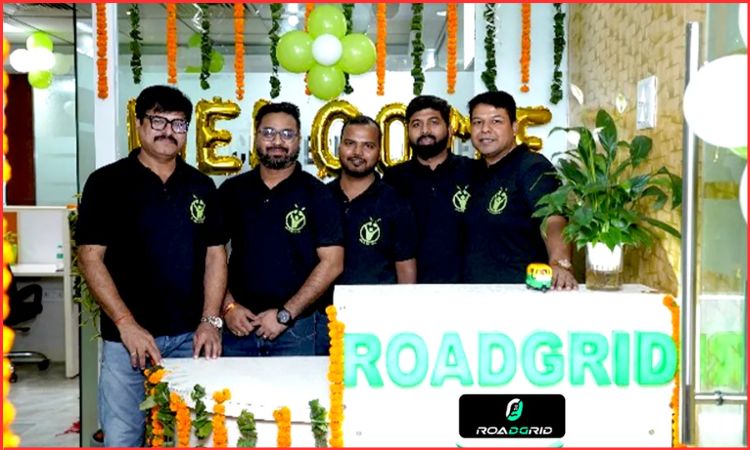
(Image Source: RoadGrid India)
RoadGrid, a startup making electric vehicle chargers, has picked up Rs 12 crore in funding. Venture Catalysts led the round. Several other investors joined in, including Kamal Puri from Skyline Group, Indian Angel Network, FAAD Network, LetsVenture, Vrinda Goyal from Pace Group, Haresh Patel from Arthanomics, and Maneesh Shrivastav from Alpha Value.
The startup makes chargers that work with bikes, three-wheelers, and cars. It also builds and runs charging stations. The Rs 12 crore will help RoadGrid make more chargers, improve its software, and set up more charging stations around India.
How RoadGrid Makes Money
Two Business Lines
RoadGrid operates two different ways to bring in revenue. First, it manufactures chargers and sells them to companies that make electric vehicles. These chargers fit bikes, three-wheelers, and four-wheelers. Second, RoadGrid owns and operates charging stations for public use and commercial customers.
RoadGrid already works with power utilities like BSES, NPCL, and Navi Mumbai Transport. It supplies chargers to EV makers and companies that run vehicle fleets like Euler Motors. The startup says it has commitments for 1,000 chargers to be installed.
The Problem RoadGrid Tackles
Too Many Different Charger Types
Right now, India’s EV market is all over the place. Bikes need one type of charger. Three-wheelers need a different one. Cars need yet another type. This mess creates headaches for anyone trying to run a charging network because they have to buy and maintain many different kinds of equipment.
RoadGrid solved this by building chargers that work with all three vehicle types. This approach helps in a few ways:
- Station owners don’t need five different charger models
- Customers can use the same network regardless of what they drive
- Operating costs drop because there’s less equipment to maintain and repair
- Charger manufacturers can focus on one good product instead of many mediocre ones
This universal approach is simpler for everyone involved.
What RoadGrid Will Do With the Money
Three Spending Priorities
RoadGrid has clear plans for how to use the Rs 12 crore. First, it will increase charger manufacturing to meet the 1,000-unit pipeline and handle new orders coming from vehicle makers. Second, it will improve the software that runs its charging stations. Third, it will build more charging stations in cities and for commercial use.
The software helps station owners track what’s happening with their equipment. They can see which chargers are being used, spot problems before they get worse, and understand customer behavior. Customers get a simpler experience when they can find a charger, reserve it, and pay through a mobile app.
India’s Massive Charger Shortage
India has about 26,000 charging stations today. But experts say India will need 30 lakh charging stations by 2030 to support electric vehicle growth. That’s a shortfall of nearly 3 million chargers. This gap explains why investors are backing startups like RoadGrid.
RoadGrid wants to grab a piece of this opportunity. By both making chargers and running stations, the company can earn money in two ways instead of just one.
Who Backed RoadGrid and Why
Venture Catalysts’ Dr Apoorva Ranjan Sharma believes India’s move to electric vehicles has hit a turning point. He says charging infrastructure will determine whether EVs succeed or not. He pointed out that RoadGrid stands out because it has real technology, working software, and the ability to actually execute and build things.
The investor group is diverse, which matters. Kamal Puri knows real estate. Vrinda Goyal understands logistics and transportation. These connections could help RoadGrid find good spots for chargers, reach customers who run vehicle fleets, and learn about what big transportation companies need. Having investors with different backgrounds reduces the chance that one problem derails the whole company.
The Path Ahead for RoadGrid
RoadGrid will face bigger competitors as the charging market grows. But the startup has two advantages. Its universal chargers work with all vehicle types, which larger competitors haven’t figured out. Its software also matters because it makes running charging stations easier and gives users a better experience.
Whether RoadGrid wins depends on a few things. Can it make chargers cheap enough to compete? Can it put up stations fast enough to grab market share? Can it keep improving software as customers demand more features? The Rs 12 crore should help, but it all comes down to execution.