(Image Source: startupstorymedia)
The last ten years have seen rapid growth in India’s digital economy. How businesses now transact with money differs fundamentally from the way they used to do so. From small storefronts utilizing UPI payment methods to large corporations facilitating complicated online sales, payments are being processed differently than they ever have before, and this change is being facilitated primarily by Razorpay, a payments company that has been instrumental in changing how Payments are handled in India.
The story of Razorpay’s success is not just about them being able to establish themselves as a unicorn or the amount of capital raised in their latest funding round. The company’s success can be attributed to their identifying an extremely broken system, developing a solution to fix it based on the principles of empathy and technology, and expanding responsibly in one of the most regulated sectors in India. From a developer-centric payment processing company to a complete financial management platform for businesses in India, Razorpay’s company evolution illustrates how India’s startup industry landscape has matured.
Founders of Razorpay and the Origin of the Idea
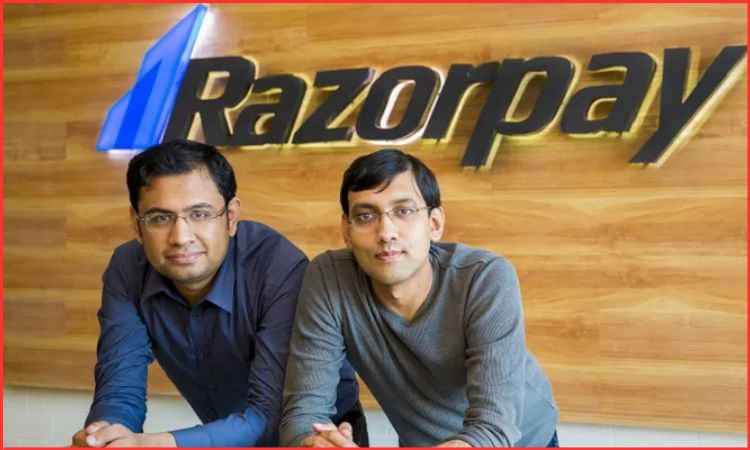
Harshil Mathur and Shashank Kumar co-founded Razorpay in 2014 after they both graduated from IIT Roorkee. The co-founders were able to witness firsthand the pain points that Indian startup companies go through when trying to implement an online payment solution. They experienced how long it took for payment processors to get through onboarding, how cumbersome most of the documentation process was, and how many times they received wrong or no answers when requesting technical support.
Harshil and Shashank decided that instead of viewing these pain points as things that would never change, they would view them as opportunities to make a difference in the market. Rather than give Indian businesses additional options for using online payment solutions, the co-founders believed that the businesses needed simpler, faster, and easier-to-understand options for online payments. This understanding is what drives the processes used by Razorpay to this day. The company was built with a strong emphasis on problem-solving, and from the inception, the goal of the company was to create a product that was easy to use for all levels of integration and was developer-friendly.
What Is Razorpay? Understanding the Fintech Platform
Initially, Razorpay offered an online payment gateway; however, it rapidly developed into a full-service financial technology solution. Currently, Razorpay provides a wide range of products and services, which go beyond payment processing, including banking tools, payroll management, employer payouts, and business credit options.
Razorpay was originally differentiated from other payment processors in the marketplace by having clean APIs, user-friendly dashboards, and quick onboarding times. This made Razorpay particularly appealing to startup businesses, small- to medium-sized businesses, and digital-first companies that required the ability to go live promptly and, in many cases, effectively.
Razorpay Company Overview
| Aspect | Details |
| Company Name | Razorpay |
| Founded | 2014 |
| Founders | Harshil Mathur, Shashank Kumar |
| Headquarters | Bengaluru, India |
| Industry | Fintech / Digital Payments |
| Status | Fintech Unicorn |
Why Razorpay Solved a Critical Problem in India
Source: techpluto
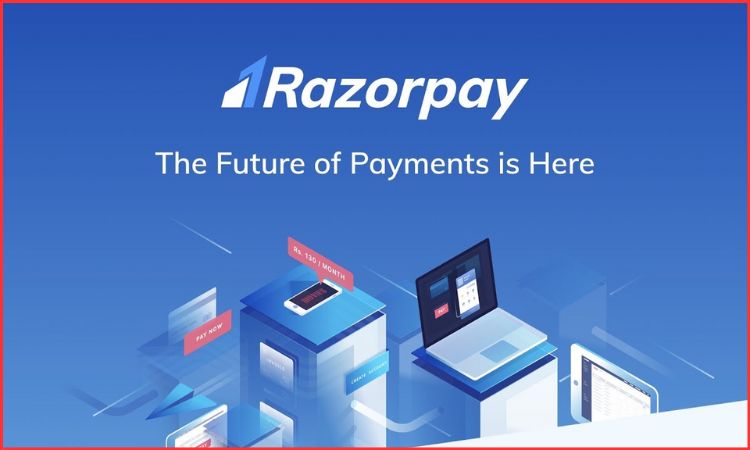
When Razorpay launched, India’s payment system was fragmented and inefficient. Most businesses were required to integrate numerous payment systems to accept credit cards, net banking, e-wallets, and most recently, UPI (Unified Payments Interface). Payment settlements were slow to process, and payment processing failures were common. Additionally, customer service was frequently disappointed in meeting their expectations.
Razorpay resolved these issues by allowing businesses to use multiple payment methods through a single point of integration. Razorpay differentiated itself from traditional payment processors based on two main features: Reliability and Speed. Razorpay reduced its average onboarding time from weeks to days, or, in some cases, hours; this ease of use allowed Razorpay to expand rapidly into e-commerce, Software as a Service (SaaS), Education, Financial Technology, and Digital Services sectors.
Razorpay’s Business Model Explained Simply
Razorpay earns money by receiving a small percentage from each transaction processed using its service. This has resulted in stable income as transaction volume has increased. However, Razorpay did more than just focus on payment processing.
Razorpay has branched out into providing value-added services, such as business banking solutions, payroll service and loan products. The products they offer customers create recurring revenue streams as well as foster strong relationships with customers who take advantage of the services daily. By diversifying their service line, they have less reliance on one source of revenue and thus create long-term financial stability.
Expansion Beyond Payments: Razorpay’s Product Ecosystem
Razorpay’s growth accelerated when it moved beyond being just a payment gateway. The company introduced products that addressed the broader financial needs of businesses.
Key Razorpay Products
| Product | Purpose |
| Razorpay Payments | Online payment processing |
| RazorpayX | Business banking & payouts |
| Razorpay Payroll | Salary & compliance management |
| Razorpay Capital | Lending & credit solutions |
This ecosystem approach transformed Razorpay into a financial operating system for businesses, not just a payments company.
How Razorpay Became a Fintech Unicorn

(Image Source: Entrepreneur)
Razorpay achieving unicorn status did not occur overnight. Instead of seeking to expand rapidly across the globe, Razorpay spent time truly understanding their target market in India. Massive transaction volumes were generated over time as a result of considerable use of their service by new ventures, small and medium businesses, and large companies.
There was a strong investor confidence in Razorpay because they exhibited disciplined scaling, strong unit economics and an in-depth product offering. Through consistent momentum building, the company has been able to reach unicorn status and establish itself as one of India’s top fintech companies.
Technology and Innovation at the Core of Razorpay
Razorpay has built its foundation on the strength of technology. From the Beginning, Razorpay has invested heavily in building a scalable infrastructure that can support peak transaction volumes during high-traffic sales events and festivals. This has become one of Razorpay’s greatest advantages – reliability during high traffic times.
Razorpay’s focus on providing real-time analytical reports and dashboards for companies, together with developer-first tools, has reduced payment failures while also improving conversion rates. Both of these factors have contributed to Razorpay’s emphasis on both performance and trust, which decreases customer churn, and builds long-term partnerships.
Challenges Faced by Razorpay in Its Journey
The creation of a fintech business in India is filled with ongoing regulatory and operational challenges. When starting as a fintech company, Razorpay had to manage the changing payments landscape, compete against international companies and keep pace with increasing compliance expectations.
The process of balancing innovation and regulation has not been easy; however, Razorpay decided to take the conservative route by working closely with regulators, as well as adopting best practices for responsible operations in order to grow, rather than take any shortcuts that could jeopardise the company’s long-term credibility and trust.
What Makes Razorpay Different from Other Fintech Companies
Razorpay’s difference is that it offers deeply integrated products to the businesses using its platform. Instead of just offering limited, surface-level product features, Razorpay creates tools that are truly integrated into the daily operations of these businesses.
Razorpay has focused on cultivating long-term relationships and providing transparency, fast settlements and responsive customer support. All of these components contribute to Razorpay receiving the trust of more than a million businesses around the world.
Impact of Razorpay on India’s Digital Economy
With the rise of digital commerce in India, Razorpay has been at the forefront of empowering businesses of all sizes, from start-ups to fully grown companies, to facilitate payment processing, facilitate cash flow, and other aspects of financial management.
The introduction of Razorpay has greatly eased the transition to cashless and digitally proficient economies within the country.
Future Outlook: What’s Next for Razorpay?
Razorpay sees itself moving increasingly towards automating processes, providing analytics, and opening credit programs as the business environment becomes more demanding. Razorpay has positioned itself to grow and expand those financial products based on that trend, thus maintaining its reliability and trust with customers.
With a solid leadership team and a technology base that is robust enough to support it, Razorpay will continue to thrive within the fintech industry in India for many years to come.
Conclusion
The success story of Razorpay is an example of how to create an actionable change by identifying a specific need, applying a methodical approach to addressing it, and maintaining an unwavering commitment to your customers. Razorpay’s evolution from a basic payment processor to a complete fintech platform is a demonstration of prudent business practices and disciplined execution by its founders and continues to be an inspiration for future entrepreneurs.
FAQs
1. Is Razorpay only for startups?
No, Razorpay serves startups, SMEs, and large enterprises across industries.
2. Does Razorpay operate outside India?
Razorpay’s primary focus is India, though it supports international payments for Indian businesses.
3. What made Razorpay grow so fast?
It’s developer-friendly technology, fast onboarding, and a deep understanding of business needs.
4. Is Razorpay profitable?
Razorpay prioritizes sustainable growth while reinvesting heavily in product development.
5. Can Razorpay replace banks for businesses?
Razorpay complements traditional banks by providing digital financial infrastructure, not replacing them.