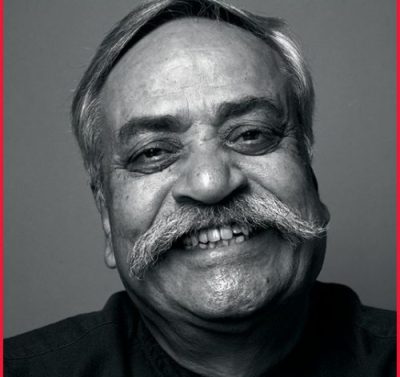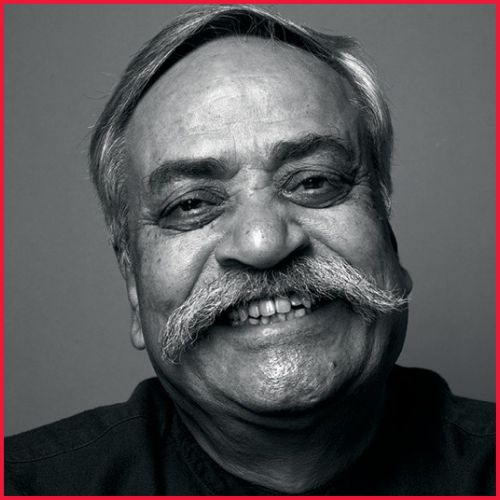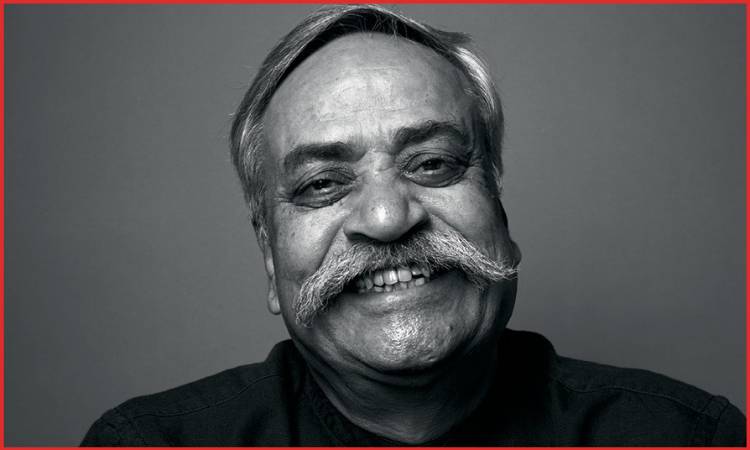
Source: socialastro
Many years ago, advertising in India was not as personal as conversations that happen every day between two people. Despite an ever-increasing audience for marketers, advertising was often seen as something that was disconnected from the consumer market. Advertising has changed dramatically since then, thanks to Piyush Pandey. Advertising is now seen as a connection with the audience; it includes emotion and truthfulness to the content of advertisements. Piyush Pandey has made advertising humanistic, while also making it relatable for all audiences.
The majority of people in India believe that Piyush Pandey has made the greatest impact on the world of advertising in India; through his creative campaigns, he has made it possible for them to humanize their brands, while allowing consumers to relate to it on an emotional level.
Piyush Pandey: The Man Behind India’s Most Loved Advertisements
Piyush Pandey has enjoyed a lengthy tenure with Ogilvy, reaching top levels in all facets of the business. By utilizing local language, cultural contexts, and storytelling to communicate with consumers, he has changed the way India engages with brands
Instead of trying to sell a product like most other advertisers did in the past, Piyush developed an approach where he sold feelings, shared values, and collective experiences. This resonated with Indian society at large as a result.
Early Life and Education of Piyush Pandey
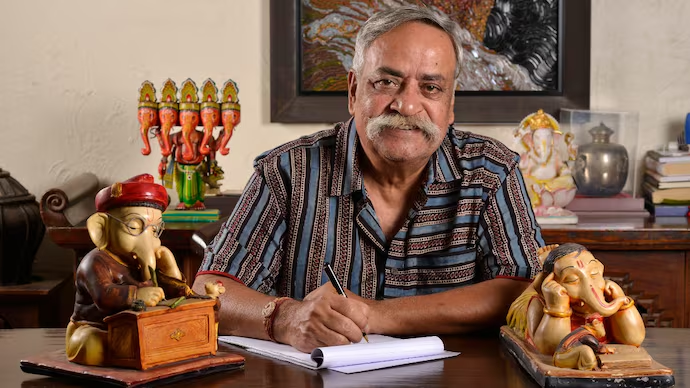
Source: Indiatoday
Piyush Pandey’s birthplace Jaipur (Rajasthan) is home to Piyush’s family, which has been heavily influenced by culture and art throughout generations. It was through exposure to music, literature, and storytelling from an early age that Piyush was able to cultivate his creativity.
Piyush graduated from St. Xavier’s College (Mumbai) with a degree in Economics. He did not originally plan to become an advertiser.
Before his career in advertising, Piyush worked as a tea taster at Hindustan Unilever, a position where he had to demonstrate qualities of patience, acute attention to detail, and sensory perceptiveness that would later become apparent in his work as an advertising professional.
From Tea Taster to Advertising Icon
Piyush Pandey began working in advertising in the early 1980’s when he became a copywriter at Ogilvy India. When Pandey first joined the company, Indian advertising was heavily influenced by Western culture and practices, which led to a lot of Indian commercials looking similar to those in the West. Pandey took a very different view about how to create advertisements.
He felt strongly that Indian stories should be told using Indian voices rather than adopting the English language from the West. Instead of writing advertisements that were written in English, he encouraged the use of Hindi and regional languages, as well as incorporating everyday sayings and expressing real feelings.
The result of Pandey’s philosophy was that it made advertisements much more relevant and accessible to millions of people throughout India.
Piyush Pandey’s Advertising Philosophy
Storytelling Over Selling
According to Pandey, one of the hallmarks of great advertising is its ability to connect with customers rather than simply promote product sales; this is something he does well through storytelling.
Cultural Rootedness
One thing that sets Pandey apart from other advertising professionals is his unique perspective on the cultural aspects of Indian life and how they influence consumer behavior (such as festivals, family, and social customs). His advertisements have a very strong emotional connection to the audience; they often feel like short films that portray genuine situations in Indian families.
Simplicity Is Powerful
Many of Pandey’s advertising campaigns reflect the beauty of simplicity by relying on simple insights that are easily understood by the viewer. The simplicity of Pandey’s ads makes them timeless, since they don’t require much explanation to anyone who is looking at them.
Iconic Ad Campaigns by Piyush Pandey That Changed Indian Advertising

Source: Indiatoday
Cadbury Dairy Milk – “Kuch Meetha Ho Jaaye”
The campaign redefined the position of chocolate in India from being primarily a treat for children to being an integral part of all age celebrations. Emotionally, it replaced many traditional sweet dishes at Indian festivals and during happy occasions.
Fevicol – Humor That United India
The Fevicol advertising campaign is famous for its unique “Desi” humour and larger-than-life characters. The ads didn’t just promote glue, they created laughter, a sense of nostalgia, and branded loyalty.
Asian Paints – Har Ghar Kuch Kehta Hai
The campaign was developed to transform the perception of a home from just being a physical structure to an emotional environment. As such, Asian Paints reinforces itself as a brand that is intimately connected to family stories and memories.
Government of India – “Mile Sur Mera Tumhara” (Revival)
Mr. Pandey was instrumental in reviving the iconic song and promoting national unity through the culture of India and music.
Major Brands Shaped by Piyush Pandey
| Brand | Impact of Campaign |
| Cadbury | Emotional repositioning of chocolate |
| Fevicol | Cult status through humor |
| Asian Paints | Emotional branding |
| Vodafone | Humanizing telecom services |
| Tata Group | Trust-driven brand storytelling |
Leadership Role at Ogilvy
As the Executive Chairman of Ogilvy India and subsequently the Global Creative Executive Chairman, Piyush Pandey led Ogilvy India to realize unparalleled success and recognition with many awards. He was instrumental in mentoring numerous generations of creative talent, establishing an environment where the value of creative thinking outweighed all elements of a person’s position within the organization & enabling those creative professionals to thrive based on their creativity.
Awards and Global Recognition
Piyush Pandey’s contribution to advertising has been recognized worldwide:
- Padma Shri by the Government of India
- Featured among World’s Most Influential Creative Leaders
- Numerous Cannes Lions and global advertising awards
How Piyush Pandey Changed How India Thinks
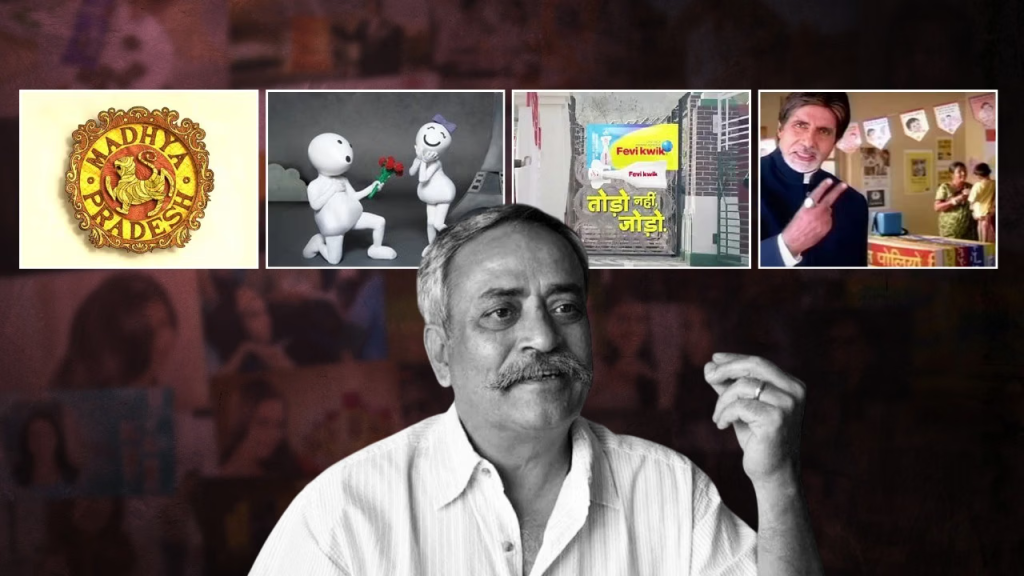
Source: Republic
Piyush Pandey’s influence on advertising extended beyond just visual communication; it shaped people’s feelings and thought patterns. His advertisements introduced the use of emotion in advertising as standard practice, instilled a sense of cultural pride, and made brands an integral part of people’s daily lives.
He demonstrated that creating awareness and understanding through advertising can create meaning, ethics, and a sense of humanity within the advertisements themselves.
Lessons Entrepreneurs and Marketers Can Learn from Piyush Pandey
- Understand your audience deeply before selling
- Culture is a competitive advantage
- Emotion creates long-term brand value
- Simple ideas last longer than complex strategies
Piyush Pandey’s Legacy in Indian Advertising
Despite having withdrawn from executive duties, Piyush Pandey continues to play an integral part in shaping Indian advertising through his lasting impacts on current brands’ thinking and marketing strategies. Business schools, as well as educational programs on advertising, teach about how Piyush Pandey creates successful advertisements.
The lessons he taught about respecting your audience, your culture, and using truthful communication to tell a story remain with him, even after he leaves.
Conclusion
Piyush Pandey has been called an advertising man, but he’s really much more than that. He has created a new way of seeing ourselves through advertising that is based on emotion, simplicity, and authenticity. Through his work, he has shown brands how to connect with consumers in a better way and has also changed how consumers listen to and understand their brand messages.
Today, we live in a world where most advertising agencies focus on algorithms and metrics. In this world, Piyush Pandey’s work serves as a reminder that nothing can replace the power of human connection when it comes to building brands.
FAQs
Q1. Why is Piyush Pandey considered different from other advertisers?
Because he prioritised cultural insight and emotional storytelling over aggressive selling.
Q2. Did Piyush Pandey work only with Indian brands?
No, he worked with global brands but always adapted them to Indian contexts.
Q3. What language approach did Piyush Pandey popularise in advertising?
He championed Hindi and regional languages to connect with mass audiences.
Q4. Is Piyush Pandey involved in advertising today?
While he has stepped back from daily operations, he continues to mentor and inspire the industry.
Q5. What makes Piyush Pandey’s ads timeless?
Their emotional depth, cultural relevance, and simplicity keep them relevant across generations.