In a move that has sent shockwaves through Silicon Valley and the hallowed halls of the Pentagon, Sam Altman’s OpenAI has officially inked a high-stakes deal with the U.S. government. The announcement came just hours after President Donald Trump launched a scathing public attack on rival firm Anthropic, signalling a massive shift in how the administration intends to weaponise and regulate artificial intelligence.
This is not just a contract; it’s a masterclass in corporate timing and political navigation. As the “AI wars” move from the boardroom to the battlefield, OpenAI has positioned itself as the Pentagon’s premier partner, even as its competitors fall out of favour.
The Anthropic Fallout: Why Trump Called the “Claude” Maker “Woke”
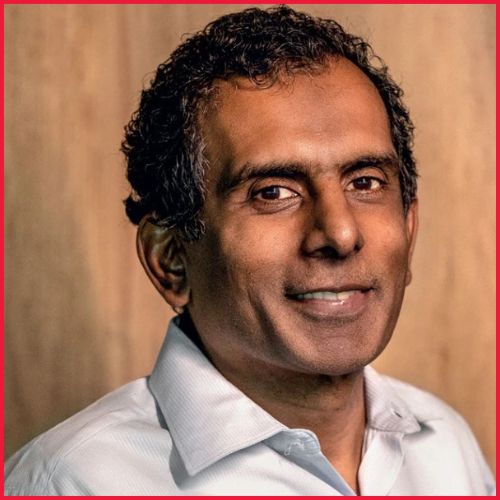
The drama began with a public standoff between the Department of War (the Trump administration’s rebranded Department of Defence) and Anthropic. At the heart of the dispute were “safety guardrails.” Anthropic CEO Dario Amodei refused to grant the military unrestricted access to its AI model, Claude, citing ethical concerns over domestic mass surveillance and the use of autonomous weapons.
Trump’s response was swift and characteristic. Taking to Truth Social, he labelled Anthropic a “radical left, woke company” and accused them of trying to “strong-arm” the military.
“The United States of America will never allow a company to dictate how our great military fights and wins wars!” Trump declared, before ordering all federal agencies to phase out Anthropic technology within six months.
OpenAI’s Strategic Pivot: Cooperation with a “Human Touch”
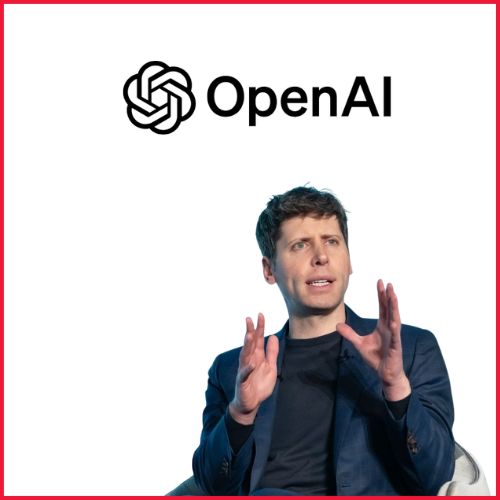
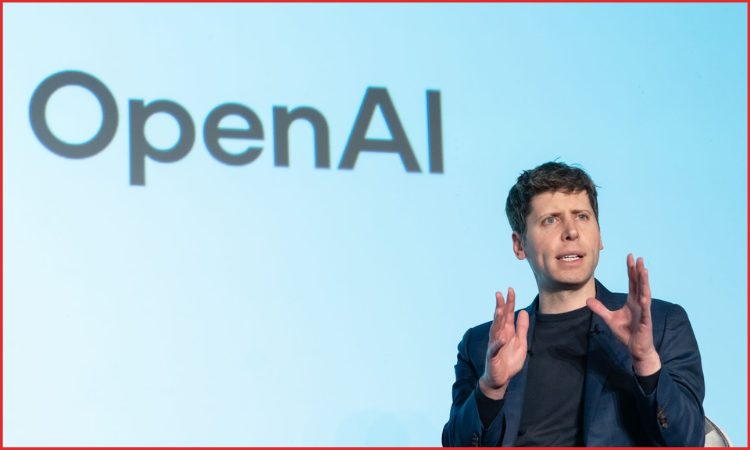
While Anthropic stood its ground on ethics, Sam Altman saw an opportunity to bridge the gap. Shortly after the administration’s crackdown, Altman announced that OpenAI had reached an agreement to deploy its models on the Pentagon’s classified networks.
However, OpenAI is not simply handing over the keys to the kingdom. Altman highlighted that the deal includes “technical safeguards” to ensure the AI behaves as intended. Crucially, OpenAI managed to bake its core safety principles, prohibitions on mass surveillance and on maintaining human responsibility for the use of force, directly into the contract’s legal framework.
By framing these “red lines” as a collaborative effort rather than an ultimatum, Altman has successfully navigated the thin line between corporate ethics and national security demands.
Business Outreach: What This Means for the AI Industry
For business leaders and investors, this development is a bellwether for the future of government-tech partnerships. Here are the key takeaways:
- The Rise of “Patriotic AI”: The Trump administration is making it clear that tech companies must align with national interests or risk being labelled a “supply chain risk.”
- Market Consolidation: With Anthropic sidelined, OpenAI and Elon Musk’s xAI (Grok) are set to dominate the multi-billion-dollar defence AI market.
- The Safeguard Debate: The industry is now divided. While some side with Anthropic’s refusal to compromise, others see OpenAI’s “embedded safeguards” as the only viable path forward for high-level government contracts.
The Future of Warfare and AI Ethics
The OpenAI-Pentagon deal is more than a business win; it is a preview of a new era. As Sam Altman noted, the world is a “complicated, messy, and sometimes dangerous place.” In this new landscape, the winner is not just the company with the best code, it’s the company that can stay in the government’s good graces without losing its soul.
As OpenAI moves into the Pentagon’s classified inner sanctum, all eyes remain on Silicon Valley. Will other tech giants follow Altman’s lead, or will they join Anthropic in the “ethical wilderness”?