Source: MSN
The global trade landscape just shifted. In a move that has sent shockwaves through international markets, U.S. President Donald Trump and Prime Minister Narendra Modi have announced a landmark trade deal that effectively ends a year of mounting economic tension.
From drastic tariff cuts to a massive $500 billion purchase commitment, here is everything you need to know about the deal that is being hailed as a “win-win” for the world’s two largest democracies.
18% Tariffs: A Competitive Edge for ‘Made in India’
The most immediate impact of the deal is a significant reduction in U.S. tariffs on Indian goods. Under the new agreement, reciprocal tariffs will drop from 25% to 18%.
For Indian exporters, this is a massive victory. This new 18% rate is notably lower than those faced by regional competitors like Pakistan (19%) and Vietnam (20%), positioning Indian manufacturing, specifically in textiles, gems, and jewellery, as a preferred partner for American buyers.
“Delighted that Made in India products will now have a reduced tariff of 18%,” PM Modi shared on social media, thanking President Trump on behalf of 1.4 billion Indians.
The $500 Billion “Buy American” Commitment
While India celebrates the tariff relief, the U.S. side is touting a colossal win for American industry. President Trump revealed that India has committed to purchasing over $500 billion in American goods and services. The shopping list includes:
- Energy & Coal: A massive shift toward U.S. LNG and American coal.
- Technology: Increased collaboration on high-tech and critical minerals.
- Agriculture: Expanded market access for U.S. farmers.
Trump emphasised that India would also work to reduce its trade barriers and tariffs on American goods to zero, a move aimed at balancing the trade deficit.
The Geopolitical Pivot: No More Russian Oil?
The most controversial claim in the announcement is the pivot away from Moscow. According to President Trump, India has agreed to halt purchases of Russian oil, a primary point of friction since the start of the Russia-Ukraine conflict.
Instead, New Delhi will look to the United States and, potentially, to Venezuela to meet its energy needs. A White House official confirmed that the 25% “punitive tariff” previously slapped on India due to its Russian oil ties will be scrapped as part of this agreement, bringing total effective tariffs down to the new 18% baseline.
Why This Matters for Business Leaders
This breakthrough comes after 12 months of “war-room” style negotiations that nearly pushed bilateral ties to a breaking point. Union Minister Ashwini Vaishnaw described the deal as a transformative moment for both nations’ industries.
Key Takeaways for the C-Suite:
- Market Stability: The deal removes the “policy fog” that has haunted India-US trade since 2025.
- Supply Chain Shift: With lower tariffs and improved market access, companies can now aggressively scale India-US supply chains.
- Strategic Alignment: The agreement signals a deepening “natural alliance” that extends beyond trade into global security and peace.
What’s Next?
While the political announcements are grand, the fine print is still being drafted. External Affairs Minister S. Jaishankar is expected to fly to Washington, D.C., shortly to finalise the technicalities of the critical minerals and technology dialogues.
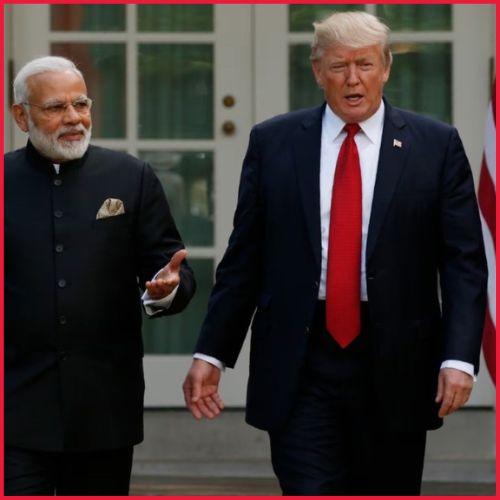
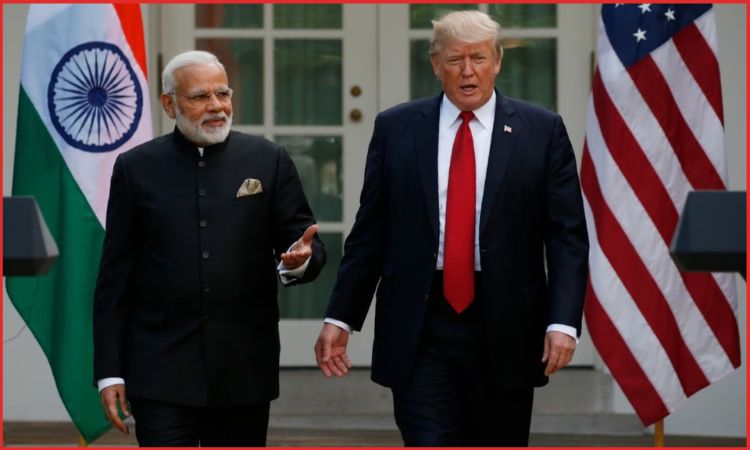
For now, the markets are breathing a sigh of relief. As the “Mover and the Shaker” (as Trump recently captioned a photo with Modi) get back to work, the global business community is watching closely to see how this $500 billion blueprint reshapes the economy in 2026.