(Image Source: Hindustan Times)
Commerce Minister Piyush Goyal laid out an ambitious vision this week that could transform how Indian companies approach the Russian market. Speaking at the India-Russia Business Forum, Goyal declared that bilateral trade between the two nations could cross the hundred billion dollar mark by 2030, a significant jump from the current seventy billion dollars.
What makes this pronouncement noteworthy is not just the number itself, but what it signals about changing priorities. For decades, India-Russia trade has been heavily skewed. India has primarily bought defence equipment and crude oil from Russia, creating a lopsided relationship where India’s share of Russian imports has remained stubbornly below two percent. That’s a problem Goyal is determined to fix.
New Sectors Opening Up
The commerce minister pointed to multiple sectors where Indian businesses can genuinely compete. Automobiles, tractors and commercial vehicles top the list, along with smartphones, electronics, pharmaceuticals, textiles and food products. These aren’t niche markets. Russia has real demand for consumer goods and industrial equipment, and Indian companies can fill that gap. Goyal also highlighted India’s startup ecosystem, which has emerged as the world’s third largest, as an attractive option for Russian investors looking for returns.
For the Indian business diaspora, this signals concrete opportunities beyond traditional sectors. Services sector exports could expand significantly too. Labour mobility agreements being prepared during the Putin-Modi summit could mean more Indian professionals working in Russia, remitting earnings back home and building long-term business networks.
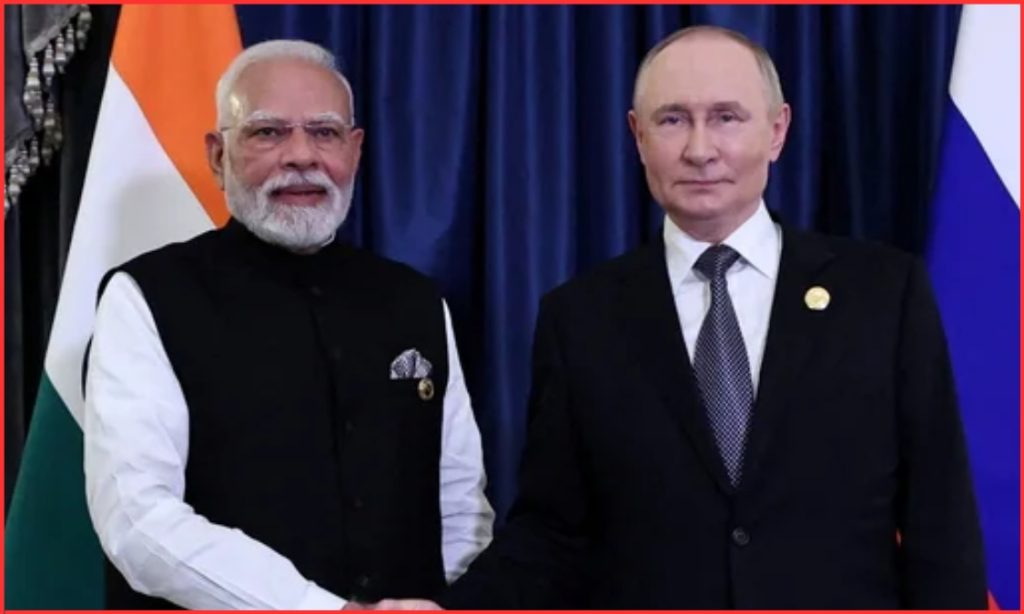
The timing matters. With geopolitical tensions constraining Russia’s access to Western markets and technology, Russian decision makers are actively looking eastward. Modi’s personal reception of Putin at the airport wasn’t just diplomatic theatre. It underscored that India and Russia view this partnership as strategic and enduring, not transactional.
The Ground Reality
However, there’s a realism worth noting. While the hundred billion dollar target sounds ambitious, closing a fifty-nine billion dollar trade deficit won’t happen overnight. The two countries have been talking about balanced trade for years. What’s different now is that they’re backing up the talk with concrete action. Multiple intergovernmental agreements and commercial deals are being signed during this summit. Banking linkages are being strengthened, with ninety percent of trade now happening in rupees and rubles rather than dollars, insulating the partnership from external pressure.
For Indian exporters and entrepreneurs, this creates what you might call a window of opportunity. Western companies facing sanctions have pulled back from Russia, leaving space for Indian businesses to establish themselves. That’s not something you get every day in international trade. The next five years will likely be crucial for Indian companies in positioning themselves for that anticipated expansion in bilateral trade. Those who move now won’t be competing against every Western player.