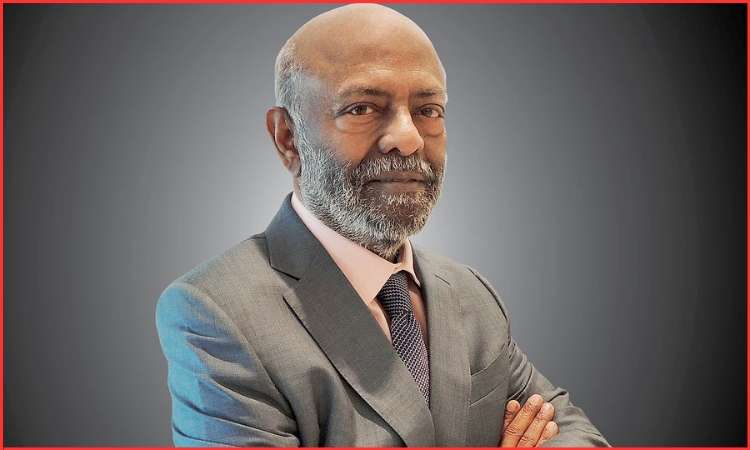
Shiv Nadar, the visionary founder of HCL, is one of the most influential Indian IT entrepreneurs. In 1976, he laid the foundation of HCL with the bold vision of creating an Indian technology company capable of competing with global giants. What started as a hardware firm evolved into a multinational IT powerhouse offering cutting-edge digital solutions across the world.
Nadar has built HCL over the years to become a truly global IT giant. With a constant focus on innovation, an employee-first culture, and a customer-centric approach, HCL provides services to Fortune 500 customers across over 60 countries.
This blog traces Shiv Nadar’s success story from his early career to transforming HCL into a global tech leader through innovation, resilience, and strategic foresight. His inspiring leadership, from developing India’s first indigenous computer to reinventing IT services, offers an intelligent template for entrepreneurial excellence.
Shiv Nadar Biography
| Attribute | Details |
|---|---|
| Full Name | Shiv Nadar |
| Born | July 14, 1945 – Moolaipozhi, Tamil Nadu, India |
| Education | B.E. in Electrical and Electronics, PSG College of Technology |
| Founded HCL | 1976 |
| Known For | HCL founder, Pioneer of India’s IT revolution |
| Major Achievement | Built India’s first indigenous computer (HCL 8C) |
| Philanthropy | Founder of Shiv Nadar Foundation |
| Current Status | Chairman Emeritus, HCL Technologies |
“If you have a vision, go after it with commitment and passion. The rest will follow.”– HCL founder Shiv Nadar
Shiv Nadar’s Early Life and Entry into the IT Industry
Shiv Nadar was born in 1945 in Moolaipozhi, Tamil Nadu, India. His parents initially wanted him to follow a conventional engineering path, but Nadar’s curiosity in science and information technology stood out. He was deeply inquisitive about science, especially the emerging field of IT. They nurtured his educational aspirations and encouraged him to pursue engineering.
He attended PSG College of Technology and studied Electrical and Electronics Engineering, which further fueled his interest in problem-solving and people, changing lives with technology.
Shiv Nadar joined the Delhi Cloth & General Mills (DCM) group after graduation, which served as an extremely important learning opportunity for managing complex companies. However, Nadar’s ambitions extended beyond his corporate role.
Shiv Nadar’s mindset was ingrained with learning about engineering and running businesses. He had a vision that India could own the technology companies of the future and develop cutting-edge solutions, not only supply foreign technology. This vision ultimately led to the creation of HCL in 1976.
He had humble beginnings, a strong educational foundation, and relentless ambition that prepared him to become a leader to create one of India’s great IT Pinnacles.
How HCL Founder Shiv Nadar Built a Global IT Powerhouse
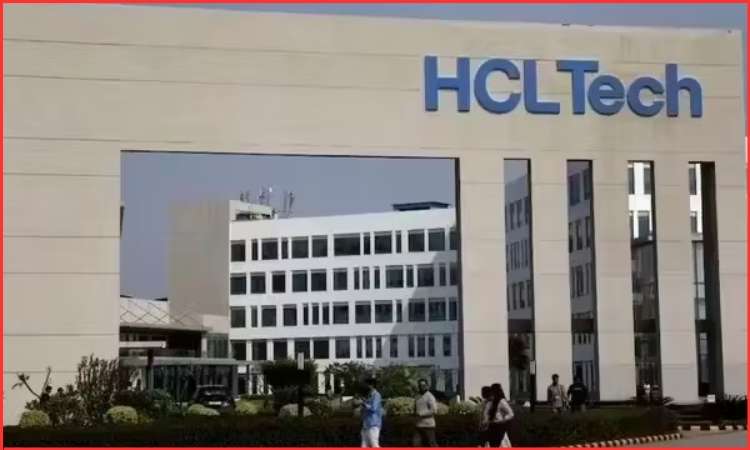
Global Strategic Expansion:
Shiv Nadar’s leadership guided HCL towards establishing strategic presence in important countries across various markets, including the US, Europe, and Asia. The company created local delivery centers as well as strategic partnerships to align with local client goals and cultural expectations globally. The local delivery and partnerships gained both recognition and trust to build a global scale.
Significant Acquisitions:
HCL’s acquisition of all UCLA software products from IBM for $1.8 billion in 2019 became a landmark action. This significantly broadened their enterprise software portfolio and led to major global client acquisitions. These strategic moves strengthened HCL’s position in a highly competitive global IT services market.
Innovative Culture:
Nadar strongly focused on putting innovation labs together to focus on cutting-edge technology subjects such as artificial intelligence, cloud computing, cybersecurity, and digital transformation. Investments in research and development enabled HCL to stay ahead of technology trends and global digital demands.
Global Delivery Model:
HCL’s global delivery model includes offshore and nearshore centers that offer cost-effective, high-quality solutions across time zones. This scalable model provides high quality while also delivering projects faster, giving HCL a strategic advantage for customers who seek advanced IT solutions on a global scale.
Client-Centric Approach:
With a focus on collaborations that meet industry challenges through bespoke solutions, HCL has earned long-term relationships built on transparency, agility, and customer centricity. Many Fortune 500 organizations across a multitude of sectors have trusted HCL as a partner.
Talent Development:
HCL invests in training and leadership opportunities for its staff all around the world to ensure they keep their skills fresh and retain their motivation. Human capital development helps to drive innovation while also maintaining workplace excellence in many different countries.
Ethical Governance and Sustainability:
Shiv Nadar emphasized responsible corporate governance and sustainable business practices. HCL’s CSR efforts and commitment to ethical business practices contribute to its strong reputation around the world as a credible and socially responsible IT provider.
Shiv Nadar’s Milestones in HCL’s Success Story
| Year | Innovation | Impact on HCL |
| 1978 | HCL 8C (India’s first computer) | Proved India’s capability to develop indigenous technology. |
| 1980 | UNIX-Based and Relational Systems | Strengthened in-house R&D capabilities. |
| 1991-1999 | Transitioned from hardware to services | Ensured the sustainability of the business |
| 1999 | Formed HCL Technologies | Pivoted the business to global IT services |
| 2000s | Innovated RIM (Remote Infrastructure Management) | Launched new global revenue streams |
| 2008-2009 | Closed 1B outsourcing deals during the recession | Indicated resilience and market position |
| 2019 | Acquired the IBM products for 1.8 B | Developed a new global enterprise software position |
| 2020s | Investments in digital, cloud, AI, cybersecurity | Increased preparedness to become the next global leader in information technology. |
Leadership Philosophy of Shiv Nadar
Shiv Nadar’s leadership is grounded in trust, learning, and long-term thinking. His key leadership principles include:
- Empowered People: He trusted people and allowed them to take action.
- Flat Organizational Structure: He encouraged openness and sought minimal bureaucracy.
- Always Learning: He advocated ongoing training and leadership development.
- Employee First: He always insisted on putting people first, even during tough times.
- Resilience during Hardship: He could have taken a short-term view to cut costs, but instead made choices that would create a longer-term, stable work environment
- Globally Built Talent Teams: He raised and invested in talented people around the globe.
- Creates Feedback Loops: He maintained ongoing dialogue with staff to improve the system.
Challenges and How Shiv Nadar Overcame Them
Skepticism during the early days:
Many doubted whether an Indian firm could compete with international tech giants. Yet, Nadar’s unwavering vision led HCL to build India’s first self-sustained computers. When it stayed true to Nadar’s original vision despite long odds, it enabled India to develop its first self-sustained computers.
Sparse Infrastructure and Limits of Resources:
In the 1970s – 80s, India’s technological infrastructure was scarce and limited by not having access to better hardware and global networks. Nadar chose to invest in the research and development space, creating development spaces and nurturing local talent.
The 2008 Global Financial Crisis:
There was significant global turmoil in the IT sector. When many firms saw their workforce, Shiv Nadar encouraged engagement with his employees. This helped HCL retain client trust and come through the crisis.
Rapid Technology Evolution:
With the discovery of cloud computing, artificial intelligence, and cybersecurity threats, they are rapidly evolving and adapting quickly to new technologies. Nadar embraced these evolutionary trends and turned them into a business opportunity for HCL very early on, creating a solid strategy for the company.
Cultural & Regulatory Constraints:
Expanding into the international market meant adapting to and learning about different cultures, business practices, and laws. Shiv Nadar’s strategy was to create diverse teams and develop localized knowledge so that a strong partnership was created with clients.
Competition with Global Giants:
Although HCL faced competition from established global IT firms, they still remained competitive by being agile and innovating continuously and maintaining their people-first culture among employees, mainly laying the foundation of their success and the tools needed to grow HCL into a resilient global IT powerhouse.
Conclusion
The Shiv Nadar success story is a powerful example of how innovation, vision, and people-first leadership can shape a startup into a global IT powerhouse. His strategic decision to pivot HCL from hardware to services was bold. However, the move positioned HCL to lead during a global tech disruption.
Within the model Nadar developed, HCL was a people-centric firm, and Nadar built a culture of capacity where employees felt empowered and trusted by HCL. This internal base made HCL strong. His ability to adapt and respond to external challenges, which ranged from global financial recessions to technology-enabled revolutions, relied on finding opportunity within crisis.
Through his approach, combining innovative commerce with integrity, Nadar demonstrated that Indian firms can be competitive, if not lead, on a global scale. Thus, today, HCL is no longer a simple IT firm; it is a global IT heavyweight with an impact on a variety of industries and continents. Future entrepreneurs can learn from Nadar’s journey: building with purpose, investing in people, and constantly evolving.
FAQs: HCL founder Shiv Nadar Success story
1. Who is Shiv Nadar and why is he famous?
Shiv Nadar is an Indian billionaire entrepreneur and philanthropist, best known as the founder of HCL Technologies. He is recognized for pioneering India’s IT revolution by building one of the country’s first tech companies.
2. What is the Shiv Nadar success story?
Shiv Nadar started HCL in 1976 as a hardware company with a vision to build indigenous computers in India. Over the years, he transformed it into a global IT services powerhouse through innovation, talent development, and strategic leadership.
3. What industries does HCL Technologies operate in globally?
HCL Technologies serves various industries, including banking, healthcare, manufacturing, telecom, aerospace, and energy, offering digital transformation and IT services worldwide.
4. Who is Roshni Nadar Malhotra?
Roshni Nadar Malhotra is the daughter of Shiv Nadar and the Chairperson of HCL Technologies. She is also actively involved in philanthropic activities through the Shiv Nadar Foundation.