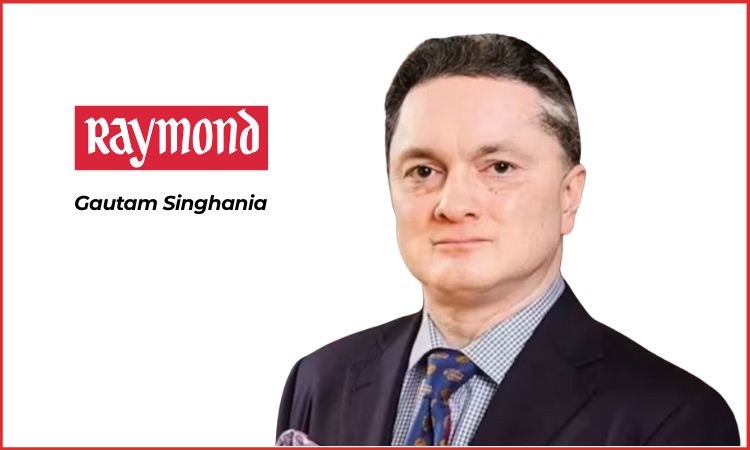
Gautam Singhania has been one of the foremost businessmen in India and has played a key role in transitioning the Raymond Group from a traditional manufacturer to an international conglomerate. As Chairman & Managing Director of the Raymond Group, Gautam has a unique combination of old-style business practices with contemporary thinking about the way to run an organization. Gautam has also succeeded in other areas of business such as luxury automobiles, yachting and aerodynamics and is a key player in high-speed auto racing.
This article also provides information about Gautam’s genealogy, education, his business achievements over his career and some of the challenges he has faced along the way as he has brought Raymond Group to its current level, preparing the business for the future.
Early Life and Family Background of Gautam Singhania
Legacy of the Singhania Family
Gautam Singhania is an industrialist and businessman born on 9th September 1965, with roots in one of India’s most notable business families. His father, Vijaypat Singhania, was an important figure in the development of Raymond as a brand in India, and Gautam grew up in a household steeped in the textile and manufacturing industries. At a young age, he was exposed to many facets of business management and was given early exposure to his father’s company and the many areas of responsibility for running a successful enterprise.
Inheriting such a large family legacy comes with many expectations on the part of others. When Gautam was young, he first learned how to retain the Raymond brand and be confident that he could change it for the future.
Education and Early Exposure to Business Leadership
Academic Journey
The path to success for Gautam Singhania was not typical for most corporate executives. While many of his peers studied on campus and received degrees before becoming successful business people, Singhania took an alternative approach. He graduated from school in Mumbai but did so by immersing himself in Raymond’s business environment while still in school.
Singhania’s education consisted of using practical, real-world experiences. He gained an understanding of the textile industry through active participation within the company and by building relationships with senior leaders in the textile industry, which helped him develop his leadership style and ability to lead by example.
Gautam Singhania’s Entry into the Raymond Group
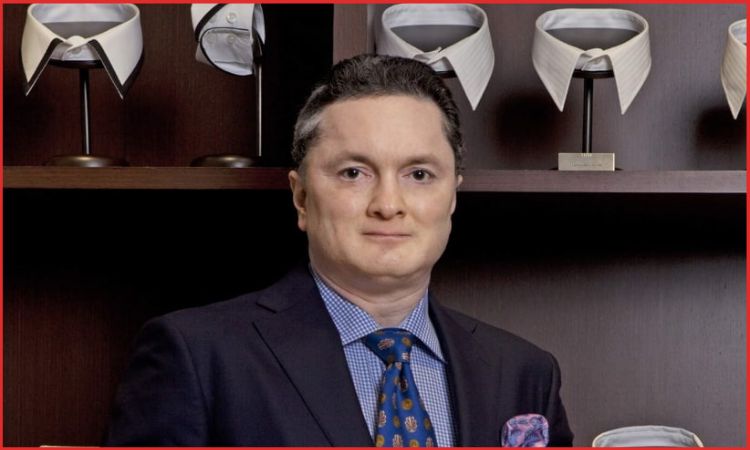
Taking Charge at a Young Age
Gautam Singhania started ’Raymond Group in the early 1990s. In 2000, he took over as Chairman & Managing Director of Raymond, which indicated a major generational transition to leadership at Raymond.
At that point, Raymond was formerly regarded as primarily a textile and suiting producer. Gautam realized that relying on textile products alone would restrict future growth potential, especially given the rapid globalization of India.
His leadership was responsible for initiating Raymond’s long-term strategy to diversify and modernize.
Transformation of the Raymond Group Under Gautam Singhania
From Textile Giant to Diversified Conglomerate
Under Gautam Singhania’s leadership, Raymond evolved beyond fabrics into a multi-sector group. He focused on innovation, branding, and expansion into new business verticals.
Key Business Segments of Raymond Group
| Business Segment | Description |
| Textiles & Apparel | Premium suiting fabrics, ready-to-wear brands |
| Real Estate | High-end residential and commercial projects |
| Engineering | Auto components and precision engineering |
| Consumer Brands | Ethnix, Park Avenue, ColorPlus |
Singhania also strengthened Raymond’s retail presence, expanding exclusive brand stores across India and enhancing the company’s digital footprint.
Leadership Style and Business Philosophy of Gautam Singhania
A Bold and Hands-On Leader
Gautam Singhania is known for his assertive and hands-on leadership style. He believes in quick decision-making, accountability, and aligning legacy businesses with modern consumer expectations.
His philosophy revolves around:
- Long-term brand building
- Operational efficiency
- Innovation without diluting legacy values
Singhania often emphasizes that tradition should evolve, not stagnate, a belief clearly reflected in Raymond’s transformation.
Gautam Singhania and Raymond Real Estate Expansion
Strategic Shift Towards Urban Development
Starting in real estate was one of Singhania’s biggest accomplishments. Through Raymond’s land holdings, he transformed underused lands into high-end homes.
This investment was a way for Raymond to create new avenues of revenue and decrease reliance on volatile textile markets. Raymond Realty has become a major contributor to the firm’s future growth.
Personal Life, Lifestyle, and Interests
Beyond the Boardroom
Gautam Singhania is widely known for his luxury lifestyle. He has a deep interest in:
- Supercars and classic automobiles
- Yachts and maritime exploration
- Aviation and flying
- High-speed motorsports
He has also represented India in international sailing and ballooning events, reflecting his adventurous spirit and global outlook.
Controversies and Public Disputes
Family and Corporate Conflicts
Gautam Singhania has gained significant publicity due to both his business accomplishments and contentious family disputes, especially with his father, Vijaypat Singhania. These disagreements highlighted succession planning, ownership, and management challenges that Indian family businesses experience.
Singhania has displayed perseverance and continued to exercise operational authority over his company while moving Raymond forward toward long-range objectives, despite the challenges that arise from family conflicts.
Gautam Singhania’s Net Worth and Financial Standing
Although Gautam Singhania’s estimated net worth is higher than what appears to be included in this article, Gautam Singhania has amassed a large fortune as a result of operating many lines of business under the Raymond Group and investing in several real estate properties.
His net worth has not only been realized through inheritance, but also through strategic reengineering, market positioning, and value-added creation over many years.
Gautam Singhania’s Impact on Indian Corporate Culture
Redefining Legacy Leadership
Singhania epitomizes a new-age Indian Industrialist who respects traditions but is not beholden to them. He has demonstrated that through modernization and diversification, as well as courageous leadership, family businesses can adapt and evolve. Through his experiences and discussions in relation to governance, leadership transitions, and sustainability, he provides insight into what should be considered when developing Indian enterprises/companies.
Conclusion
The path taken by Gautam Singhania illustrates effectively how a legacy has evolved from being a manufacturer of textiles into creating a diverse corporate structure and how he led through vision, risk-taking, and adaptable pursuit of goals.
Singhania is a major part of India’s corporate scene, with his business skill being praised by some and debated upon by many with his bold business decisions but continues to help shape not just the future of Raymond Group but also the Indian economy overall.
FAQs
Q1. What makes Gautam Singhania different from other Indian business leaders?
His combination of legacy leadership, diversification strategy, and luxury-driven personal branding sets him apart.
Q2. Is Gautam Singhania involved in the day-to-day operations of Raymond?
Yes, he is known for being actively involved in strategic and operational decisions.
Q3. How has Raymond changed under Gautam Singhania?
Raymond has evolved from a textile-focused company into a diversified group with strong real estate and engineering businesses.
Q4. Does Gautam Singhania participate in global business forums?
Yes, he frequently engages in international industry discussions related to manufacturing, luxury branding, and leadership.
Q5. What lessons can young entrepreneurs learn from Gautam Singhania?
The importance of reinventing legacy businesses, embracing calculated risks, and adapting to market shifts.