Source: taxguru
When people talk about successful businesses in India, the focus is usually on large corporate groups or flashy, venture-funded startups. However, there is another powerful segment of the Indian economy that often goes unnoticed: fast-growing family-owned businesses.
These companies may not dominate news headlines, but they are expanding steadily, creating employment, adopting modern technology, and building deep customer trust. Unlike many short-term growth-driven startups, family businesses typically take a long-term, stability-first approach, which makes their growth more resilient.
As India moves closer to becoming a $5 trillion economy, family-run businesses are expected to play a major role especially in manufacturing, healthcare, agribusiness, renewable energy, and consumer goods. This article highlights 10 fast-growing Indian family businesses to watch by 2026, along with insights into their growth strategies and future potential.
Why Family Businesses Are Growing Faster in India
Family-owned enterprises in India enjoy certain structural advantages that support sustainable growth.
First, decision-making is faster. Promoters are deeply involved in daily operations, allowing them to respond quickly to market changes. Second, profits are usually reinvested into the business, reducing dependence on external funding. Third, these businesses often have a strong understanding of regional markets and Indian consumer behavior, built over decades.
Most importantly, modern family businesses are no longer informal or outdated. Many have adopted professional management structures, independent boards, and clear succession planning, combining tradition with efficiency.
India’s Fastest-Growing Family Businesses in 2026
| Company Name | Sector | Headquarters | Growth Focus |
| APL Apollo Tubes | Infrastructure & Steel | Delhi | Affordable construction solutions |
| Suguna Foods | Agribusiness | Coimbatore | Protein consumption growth |
| Borosil Renewables | Renewable Energy | Mumbai | Solar manufacturing |
| V-Guard Industries | Consumer Electricals | Kochi | Tier-2 & Tier-3 expansion |
| KIMS Hospitals | Healthcare | Hyderabad | Affordable tertiary care |
| Shakti Pumps | Clean Energy | Pithampur | Solar irrigation |
| Jyothy Labs | FMCG | Mumbai | Regional-to-national brands |
| Wonderla Holidays | Entertainment | Bengaluru | Domestic leisure economy |
| Hikal Ltd | Pharma & Chemicals | Mumbai | Global B2B partnerships |
| Udaan Engineering | Auto Components | Pune | EV and export markets |
APL Apollo Tubes: Strengthening India’s Infrastructure Backbone

Source: businessoutreach
APL Apollo Tubes has transformed India’s structural steel market by focusing on value-added steel products rather than commodity steel. These products are widely used in housing, warehouses, bridges, and commercial buildings.
The company’s growth is closely linked to India’s infrastructure expansion and urbanization. Its use of automation, efficient manufacturing, and a strong dealer network has helped it scale profitably while maintaining healthy margins.
Suguna Foods: A Family Business Feeding a Growing Nation
Suguna Foods is one of India’s largest poultry companies and a strong example of a family-led agribusiness with social impact. Its contract farming model supports thousands of rural farmers by offering technical guidance, assured income, and market access.
With rising awareness around high-protein diets and food safety, Suguna has expanded into processed and branded poultry products, strengthening both margins and brand recall.
Borosil Renewables: Powering India’s Solar Revolution

Borosil Renewables identified a major gap in India’s renewable ecosystem: the lack of domestic solar glass manufacturing. The company invested early in capacity expansion and advanced manufacturing technology.
As India pushes for energy independence and reduced imports, Borosil has become a strategic supplier to solar panel manufacturers, benefiting directly from government-led clean energy policies.
V-Guard Industries: Building Trust in Indian Homes
Source: companieslogo
V-Guard started with voltage stabilizers and gradually expanded into fans, wires, water heaters, and other electrical products. The brand built deep trust in South India before expanding nationally.
Its strength lies in Tier-2 and Tier-3 markets, where reliability and word-of-mouth matter more than aggressive advertising. This grassroots approach continues to fuel steady growth.
KIMS Hospitals: Affordable Healthcare at Scale
Source: cnexguidance
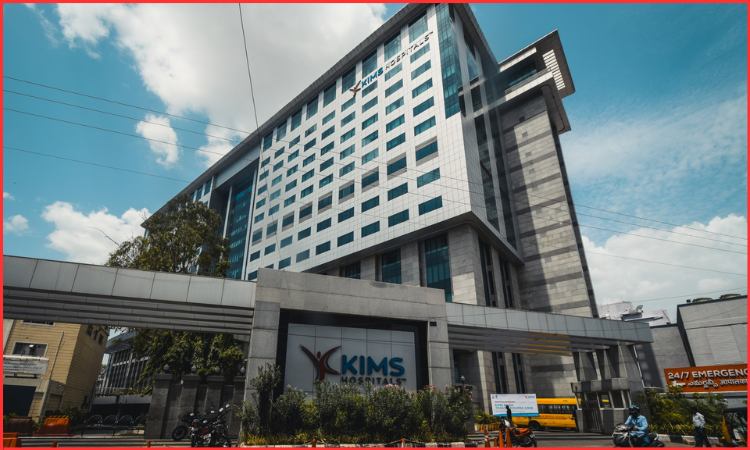
Krishna Institute of Medical Sciences (KIMS) focuses on delivering high-quality tertiary care at affordable costs, particularly in smaller cities. Instead of luxury hospitals, KIMS prioritizes operational efficiency and patient access.
With rising insurance coverage and healthcare demand, KIMS continues to expand while maintaining cost discipline an uncommon but effective model in Indian healthcare.
Shakti Pumps: Driving Sustainable Agriculture

Source: Shakti Pumps
Shakti Pumps manufactures solar-powered and energy-efficient irrigation pumps, helping farmers reduce dependence on diesel and electricity.
Strong government support for renewable energy and water conservation has boosted both domestic demand and exports, positioning Shakti Pumps as a leader in clean agricultural technology.
Jyothy Labs: From a Single Product to FMCG Success

Source: upstox
Jyothy Labs began with a single household product and gradually expanded into a diversified FMCG portfolio. The company followed a clear strategy: win regional markets first, then scale nationally.
Affordable pricing, strong distribution, and customer loyalty have helped Jyothy Labs compete successfully with larger FMCG giants.
Wonderla Holidays: Creating India’s Leisure Economy

Source: tourismquest
Wonderla operates family-owned amusement parks and has benefited from India’s growing domestic tourism and leisure spending.
Instead of rapid expansion, the company focuses on operational excellence and customer experience, resulting in consistent profitability and strong cash flows.
Hikal Ltd: A Quiet Global Pharma Partner

Source: mix166
Hikal Ltd supplies pharmaceutical and agrochemical intermediates to global clients. The family-led management prioritizes compliance, long-term contracts, and R&D investment.
Its export-focused strategy positions the company well as global demand for Indian pharmaceutical manufacturing continues to grow.
Udaan Engineering: Supporting the Auto Industry’s Future

Source: youtube
Udaan Engineering manufactures precision auto components and is actively preparing for the electric vehicle transition.
Its long-standing OEM relationships, export exposure, and focus on next-generation mobility solutions have placed it among India’s fastest-growing family-run manufacturing firms.
Why These Family Businesses Matter to India’s Economy
These companies collectively contribute to:
- Large-scale employment generation
- Strengthening domestic manufacturing
- Export growth and import substitution
- Long-term economic stability
Conclusion
Fast-growing family-owned businesses represent a powerful yet underappreciated force in India’s growth story. Built on trust, discipline, and long-term thinking, these companies prove that sustainable success does not require constant media attention.
As India’s economy evolves, these family-run enterprises are likely to emerge as quiet leaders of the next decade, shaping industries while staying grounded in strong values.
FAQs
Q1. What gives Indian family businesses a competitive edge in terms of sustainability?
Their inherent strategy, combined with how actively involved an owner/promoter is within the organization and their ability to reinvest profits back into the business, are key elements that help support Indian family businesses through business cycles.
Q2. Are family-owned companies embracing contemporary management methodologies?
Yes. Many family businesses embrace family ownership alongside of an independent board and/or external management teams.
Q3. Are family-owned corporations a major source of employment?
Yes. Family businesses have historically been some of the largest job generators within India. This is especially true within the manufacturing and service sectors.
Q4. Is it possible for family-owned corporations to become multinational corporations?
Based on their growth and expansion trajectory, many family businesses have the potential to one day become significant national and/or multinational corporations.
Q5. Why don’t we hear much about family-owned businesses?
Because family-owned organizations are primarily focused on operations/income generation as opposed to marketing. In turn, they tend to grow through operational stability and subsequently reputation.