(Image Source: The Hindu)
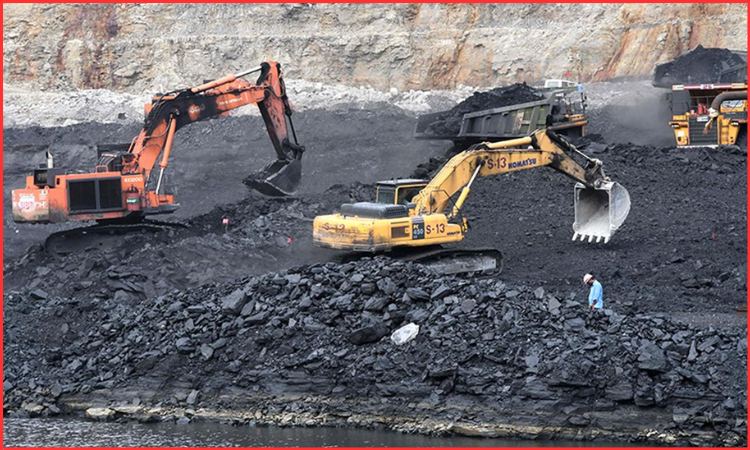
The government has made changes to how coal and lignite exploration gets approved. The new rules cut out unnecessary steps and let private companies handle more of the work themselves. The goal is to get coal blocks developed faster and attract more private players into the exploration business.
Faster Approvals, Less Red Tape
Until now, any coal exploration project needed approval from a government panel before moving forward. That’s changing. Licensed exploration agencies can now put together geological reports and have them reviewed by other licensed agencies. Once that peer review is done, the project gets the green light without having to wait for government sign-off. This saves around three months on the approval timeline. For mining companies, that means they can start work sooner and get to the actual digging phase much quicker.
More Players in the Game
The government recently added 18 new private companies to the list of firms allowed to do exploration work. That brings the total to 45. More companies competing means they have to work harder and smarter to win contracts. Mining operators now have real choices about who they hire. This competition pushes agencies to use newer technology, work faster, and deliver better results. Companies that win contracts have to perform, or they’ll lose business to competitors.
Why Coal Still Matters
India needs coal. Factories need it, power plants need it, and as more people get electricity, demand keeps growing. Waiting months for approvals just slows everything down. The coal sector is a huge employer and brings in money for the government. Speeding up exploration means more coal gets found and developed, which means more jobs and more tax revenue. The government still watches over quality and makes sure companies follow the rules, but it’s done more efficiently now.
Practical Changes
The new system isn’t complicated. Licensed private agencies do the geological work and review each other’s findings. If everything checks out, projects move forward. The government still sets standards and monitors compliance through the Ministry of Coal, but it’s not slowing things down with extra layers of approval. This arrangement lets private companies use their expertise while the government keeps oversight where it matters.
Key Takeaway
Exploration takes time and money. Cutting three months off approvals means companies spend less on waiting and more on actual work. It attracts more businesses to the sector because the process is clearer and faster. More exploration means more coal discoveries, which keeps India’s energy supply stable as the country grows. For the mining industry, it’s a win. For consumers and businesses that need power, cheaper coal means lower energy costs. That’s why the government made this move now.