Source: romansemiokhin
The workplaces of 2025 look very different from just a few years ago. Employees today choose jobs based on more than pay or title; they want to feel genuinely connected to their company. Company Culture in 2025 is the driving force that inspires people to grow, stay engaged, and deliver their best every day.
Employees may now work remotely, in local offices, or even across different countries. A new generation of workers, particularly Gen Z, is entering the workforce with fresh ideas and higher expectations. They value purpose, inclusion, flexibility, and learning opportunities. At the same time, organizations are integrating artificial intelligence, automation, and digital tools that are reshaping how teams collaborate and perform.
In this new landscape, culture has become central to organizational success. It determines how employees feel, how they are treated, and how strongly they connect with company goals. This article explores why company culture matters in 2025, how to build a strong workplace culture, the role of technology, real-life examples of culture-driven organizations, and the challenges of shaping future workplaces.
Why Strong Company Culture Matters in 2025
Source: monitask
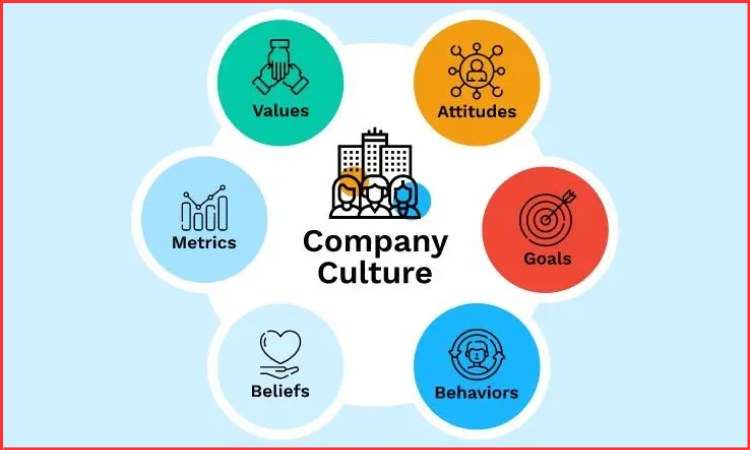
A strong workplace culture is what will drive success in 2025. Research studies consistently demonstrate that A strong workplace culture is a key driver of success in 2025. Research consistently shows that organizational culture directly impacts productivity, retention, and innovation.
For example, Deloitte’s Global Human Capital Trends report found that 94% of executives and 88% of employees believe a strong culture is essential for business success. When employees feel aligned with company values and experience psychological safety, they show higher levels of engagement, motivation, and loyalty.
Similarly, McKinsey reports that companies focusing on inclusion and well-being see a 47% boost in team performance and a 27% rise in employee experience. This highlights that meaningful work experiences are no longer defined by perks, but by authentic engagement and culture, whether remote or in-person.
Gallup adds that organizations with engaged employees achieve 23% higher profitability than those with disengaged teams. Clearly, culture is not just a “soft” concept; it is a business differentiator. By 2025, organizations that invest in inclusive, value-driven, and tech-enabled cultures will be best positioned to attract and retain top talent.
Steps to Build a Strong Company Culture
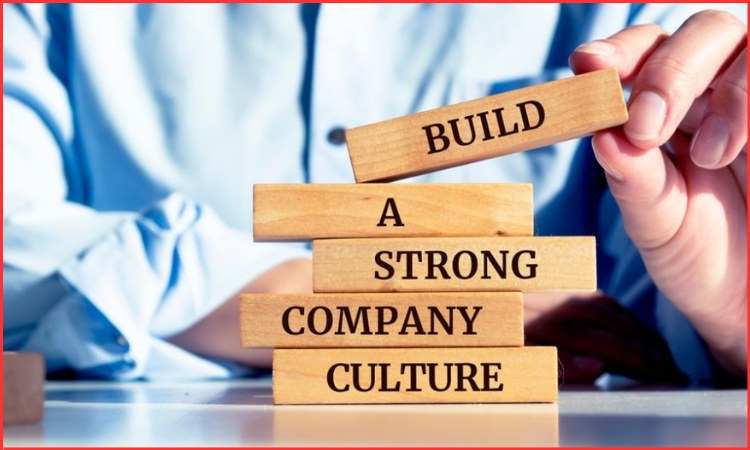
Building culture requires consistency over time, supportive leadership, and employee-focused practices. Key steps include:
Balance Remote Work and Culture – Hybrid work demands intentional efforts to connect employees. Virtual team bonding, equal recognition, and inclusive practices help remote workers feel valued.
Clarify Core Values – Clearly communicate the organization’s values and philosophy. Values must go beyond posters and policies; they should shape daily decisions and employee behavior.
Foster Open Communication – Encourage two-way communication where employees can share ideas, receive feedback, and raise concerns freely. Regular updates, open forums, and leaders who listen build trust.
Promote Diversity & Inclusion – Diverse teams drive innovation, and inclusive policies make employees feel supported. Recruitment practices, fair policies, and safe spaces for expression strengthen belonging.
Support Employee Growth – Training, mentoring, and career development opportunities show that the company values long-term growth, boosting motivation and loyalty.
Leadership as Culture-Drivers – Leaders must model company values in their decisions and interactions. Their behavior sets the tone for culture throughout the organization.
Technology’s Role in Shaping Company Culture
Source: svb
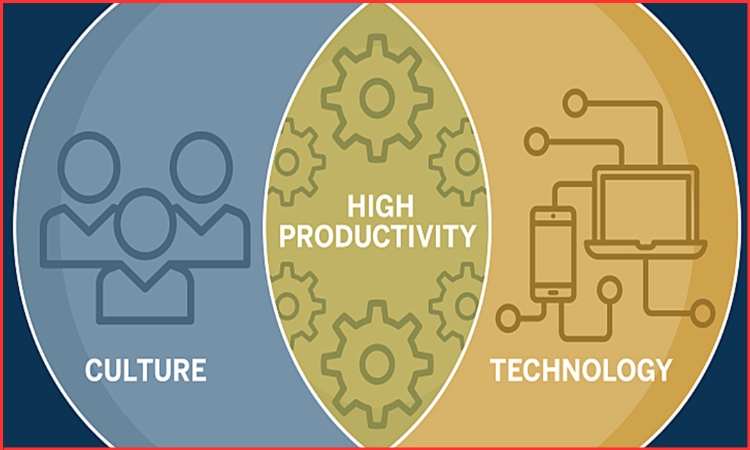
Technology is now at the heart of company culture in 2025. It connects people, enhances collaboration, and creates belonging across locations.
1. AI-Employee Management Tools: Technology such as AI can utilize tools that ensure fairness and ground decisions in data when managing employees, from the time of recruitment through performance reviews. For example, AI can manage numerous applicants and objectively match them to specific job roles based on skills. AI can track employee engagement and report member stories.
2. Collaboration Tools: Collaboration tools such as Slack, Microsoft Teams, and Zoom have become the staple of modern workplaces that allow for immediate and ongoing instant and ongoing communication, regardless of location or time. These collaboration tools will also create an environment that satisfies the increasing concerns of remote workers’ isolation by ensuring inclusion and teamwork.
3. Employee Engagement and Feedback Platforms: The use of technology has made it easier to track and improve employee satisfaction. Pulse surveys, anonymous feedback platforms, and recognition apps will allow employees to help provide a voice in recognizing that “employee management is a partnership” and allow leadership to receive and recognize a warning sign early. When employees feel listened to and heard, trust will naturally build within the voice of employees.
4. Analytics and Insights: Analytics offers unique insights related to the perceived workplace culture. From data, leaders can develop patterns of when organizations provide participation, employee feedback scores, or how often teams collaborate and ask for help. These patterns allow organizations to see what engages or motivates teams, what challenges need addressing, such as burnout, and what more effective models they could develop for engagement.
5. Digital Learning and Development: Digital learning platforms and virtual development programs enable employees to build their skills at a time and place that’s suitable for them. Not only does this development support their potential, but it also indicates that the organization promotes and values continuous learning, allowing employees to engage and build some loyalty to the organization and its culture.
6. Balancing technology with human connection: Technology is important and can assist in making work easier; however, it does not replace the human relationship. Organizations need to collaboratively discuss how to use technology as an enabler of social connection and avoid replacing it. Virtual coffee chats, recognition or feedback platform systems, and open communication can be examples of well-blended technology and social connection.
Examples of Culture-Driven Companies (2025 Edition)
| Company | Culture Focus | What Makes Them Stand Out in 2025 |
| Innovation, flexibility, employee well-being | Google is known for encouraging creativity and experimentation. Its flexible work policies, investment in employee wellness, and focus on innovation make it one of the most admired workplaces worldwide. | |
| Zappos | Customer-first mindset, employee happiness | Zappos has built its culture around service and happiness. It empowers employees to make decisions that improve customer experience, while also creating a fun and engaging work environment. |
| Netflix | Freedom, responsibility, innovation | Netflix promotes a culture of high performance and trust. Employees are given freedom to make decisions but are also expected to take full responsibility. This balance drives innovation and accountability. |
| Infosys (India) | Continuous learning, global workforce engagement | Infosys invests heavily in training and development through its learning platforms. It focuses on building future-ready talent and supporting employees across different countries, making it a role model for skill development. |
| Swiggy (India) | Inclusivity, employee-first policies | In the fast-paced food delivery industry, Swiggy prioritizes employees by offering inclusive policies, flexible work options, and recognition programs. Its culture supports both office employees and delivery partners. |
Challenges in Building Culture in 2025
- Hybrid Teams: The challenge of embedding culture with hybrid teams is ensuring both remote and in-office employees have equal engagement opportunities. If employees see that others receive recognition or opportunities, or if they notice their remote colleagues not actively participating, they may understandably feel excluded.
- Global Workforce: Many organizations employ team members throughout the world, with many languages and time zones, which can complicate consideration of cultural differences and communication styles.
- Well-being and Burnout: With flexible and hybrid work, the line between personal and professional life is blurred; not practicing self-care and health (such as working very long hours or remaining constantly connected) can lead to stress.
- Disengagement: If organizational culture is not communicated consistently amongst the team, employees may become disengaged with the organization’s vision and values, leading to lower motivation and therefore increased turnover.
Conclusion
The importance of company culture in 2025 cannot be overstated. The future of work requires personalization, smarter use of technology, and a strong focus on employee well-being. Culture is no longer a bonus; it is a critical differentiator that determines whether companies can attract and retain talent.
A strong culture is not about free lunches or trendy offices, but about building a workplace where people feel respected, valued, and inspired. True culture lives in openness, inclusivity, transparency, leadership support, and the smart use of technology.
As organizations embrace hybrid teams, AI-driven systems, and global diversity, those that invest in culture will thrive. Employees who feel connected to purpose bring energy, innovation, and long-term commitment, fueling business success in the future of work.
FAQs
Q1. How does company culture affect employee performance?
A positive company culture motivates people to give their best. When employees feel respected and aligned with company values, they show higher productivity and better teamwork.
Q2. Can culture be maintained in hybrid work models?
Yes. Culture can stay strong in hybrid teams if companies ensure equal opportunities for both remote and office employees. This includes clear communication, fair recognition, regular check-ins, and creating virtual as well as in-person bonding activities.
Q3. Why should small companies care about culture?
Culture is not only for big organizations. For small companies, a strong culture helps build loyalty and trust. It also attracts good talent and creates a positive workplace environment right from the start.
Q4. How can leaders strengthen culture daily?
Leaders play the biggest role in shaping culture. They can do this by being transparent in decisions, appreciating employees’ efforts, promoting inclusivity, and setting the right example through their behavior every day.
Q5. What are the signs of a weak company culture?
Warning signs include high employee turnover, low motivation, poor communication, lack of teamwork, and employees feeling disconnected from company goals. These issues, if not addressed, can harm overall business growth.