Artificial Intelligence (AI) has transitioned from experimental pilots to a foundational component of enterprise strategy.
In 2026, organizations are no longer testing isolated use cases—they are embedding AI across core operations to enhance efficiency, decision-making, and customer engagement.
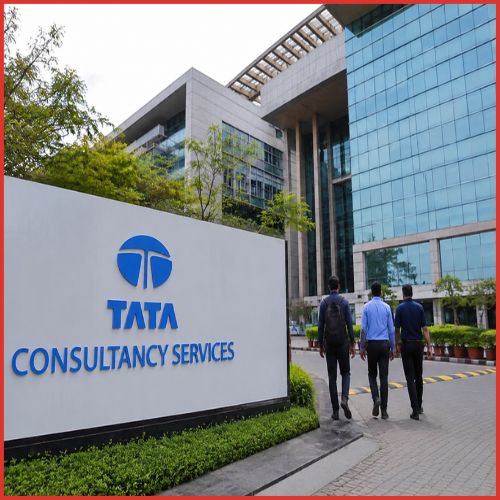
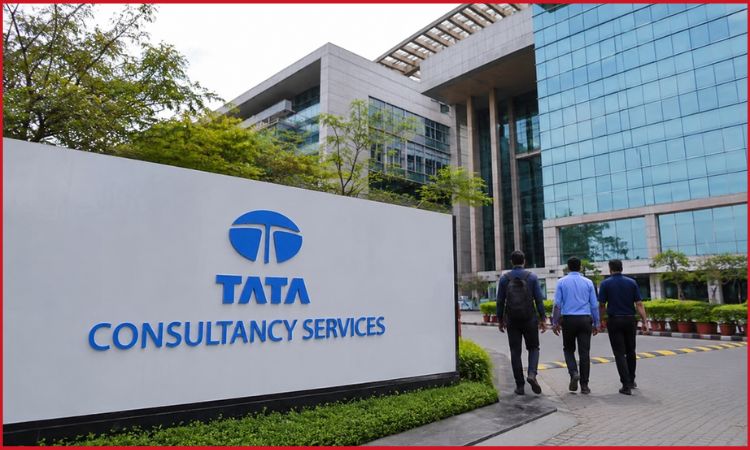
This shift is clearly reflected in the performance of Tata Consultancy Services (TCS).
Unlike many firms that emphasize AI strategy, TCS demonstrates measurable outcomes at scale—signaling a decisive move from conceptual adoption to enterprise-wide execution.
“In Q4 FY2026, TCS quietly crossed $2.3 billion in annualised AI revenue. A year earlier, the number was $1.5 billion. Most companies announce AI strategies. TCS announced a revenue figure. That’s a different conversation entirely.”
Quick Takeaways: TCS and AI in 2026
- AI adoption has shifted from experimentation to enterprise-wide deployment
- TCS is focusing on scalable, industry-specific AI solutions
- Generative AI is being integrated into core business workflows
- Long-term client relationships are driving repeat AI-led transformation deals
- The focus is moving from “AI capability” to measurable business outcomes
FY2026 told a clean story in the numbers:
- Total contract value hit $40.7 billion for the year— among the highest in TCS history.
- Net profit grew 12%.
- Operating margin reached 25%, the best in four years.
(Source: Tata Consultancy Services financial results, 2026)
Why TCS Is Leading India’s AI Transformation
1. How TCS Scales AI from Pilot Projects to Enterprise Deployment
Here’s what’s happening now: AI isn’t some shiny standalone service anymore. At TCS, it gets woven into proper systems:-
- supply chains
- customer experience platforms
- entire enterprise software ecosystems.
That shift is the reason big companies call them. And TCS consistently gets there first.
2. How TCS Uses Industry-Specific AI Solutions Across Banking, Retail, and Healthcare
But there’s more to it than raw scale. AI in India doesn’t look the same everywhere. That’s why TCS doesn’t try a one-size-fits-all approach.
In banking, their AI tools help sniff out fraud and manage risks.
Retailers use their solutions for hyper-personalization and predicting what people want.
Healthcare? TCS AI is behind faster diagnostics and making hospital operations smoother.
They focus on real needs, in real industries, so clients see value—fast.
3. How TCS Integrates Generative AI into Enterprise Workflows
Now, the big story of 2026 isn’t that “AI is here.” It’s how deep it goes.
Generative AI, for example—what used to be a buzzword—now powers core work at TCS clients:-
- Software’s written faster
- customer support runs smoother
- employees tap smarter internal knowledge bases
TCS makes sure this AI slides right into the systems people already use, so adoption doesn’t wreck daily operations or overwhelm teams.
4. Why TCS’s Scale and Client Relationships Drive AI Transformation
But the secret talk isn’t just the tech. It’s trust.
AI is a journey, not a one-time sprint. Businesses need constant upgrades, fresh data, and sharper models.
They won’t roll with someone they barely know—they invest in partners they trust for the long years.
TCS, with its stable delivery, global reach, and history of sticking around, makes the shortlist every time.
5. How TCS Delivers Measurable ROI from AI Investments
What’s really shifted is the conversation. It’s no longer “look what AI can do”; it’s “show me the business results.”
TCS sets itself apart by going straight at this. They focus on:-
- cutting costs
- making teams more productive
- bumping up revenue—especially through AI-driven personalization
That’s what clients care about now—outcomes, not experiments.
India’s AI-Driven Enterprise Economy: Trends Shaping 2026
Zooming out, TCS isn’t moving alone. India’s whole business landscape is changing.
Digital is the table stakes.
AI is the next high ground, and global clients expect instant answers and smarter choices made on the time.
Indian IT companies aren’t just vendors anymore—they’re sitting at the strategy table, helping chart the course for entire businesses.
The fact is, in this phase, AI is the foundation.
Challenges in Scaling AI in India: Data, Talent, and Compliance
Of course, it’s not all smooth sailing.
Companies still wrestle with messy data, tangled-up systems, and a serious talent lack for AI experts.
Regulators and compliance hurdles add roadblocks too.
Whether TCS can keep handling these challenges—and stay out front—depends on execution, plain and simple.
Being first out of the gate with AI doesn’t guarantee you’ll stay ahead if you can’t keep delivering.
Conclusion: From Capability to Competitive Advantage
So what’s the bottom line? In 2026, just having AI isn’t enough. Everyone’s got it now.
What counts is execution—making AI work everywhere, every day, and showing the impact in black and white.
That’s where TCS dominates. They’re not just talking about AI; they’re making it part of the fabric of enterprise India.
While plenty of companies are still dabbling, TCS is making AI real—at scale, for big business.
Frequently Asked Questions (FAQ)
Q1: How is Tata Consultancy Services using AI in 2026?
TCS is building AI deep into core workflows. They’re not running isolated pilots or pet projects—they’re using AI to power supply chains, improve customer experiences, and speed up software development.
Everything is aimed at making AI practical and scalable for big business.
Q2: Why is TCS considered a leader in AI-driven enterprise growth?
They combine huge delivery capability with sector-specific solutions and invest in long-term partnerships.
That lets them pull off AI projects that actually stick and deliver business results, while a lot of others are still stuck at the prototyping stage.
Q3: What industries benefit most from TCS’s AI solutions?
Banking, retail, healthcare, and manufacturing see the biggest gains.
Whether it’s risk management for banks, personalization for retailers, or operational efficiency for hospitals and factories—TCS tailors the AI to make a real difference.
Q4: What is the future of AI in India’s enterprise sector?
AI will be a core layer in how every major business operates. The companies that nail integration and push decision-making with AI will win in the long haul.
Q5: Which is better for AI projects: TCS or Accenture?
TCS is a powerhouse for scaling AI across giant systems and works at lower cost, especially for organizations focused on long-term transformation.
Accenture leans more on strategy-first consulting and cutting-edge, sometimes experimental, AI—great if you want the latest global thinking.
Either way, both have their place, but TCS is probably the pick for those who want practical, scalable impact across big enterprise operations.