The global markets just witnessed one of the most volatile trading sessions in recent memory. On March 09, 2026, the intersection of geopolitical drama and economic anxiety sent shockwaves through Wall Street and Dalal Street alike.
For the Business Outreach Magazine audience, entrepreneurs, investors, and decision-makers, staying ahead of these shifts is not just about watching the numbers; it’s about understanding the narrative behind the noise.
Here is our deep dive into the market mayhem and what the “Trump-Iran” factor means for your portfolio.
Market Crash or Buying Opportunity? Why Stocks Tanked on March 09, 2026
The financial landscape shifted beneath our feet this Monday as global indices grappled with a “perfect storm” of rising oil prices and a sudden geopolitical de-escalation, leaving traders spinning. Whether you are tracking the S&P 500 or the Nifty 50, the message was clear: volatility is the new normal.
The Geopolitical Pivot: Trump, Iran, and the $100 Barrel
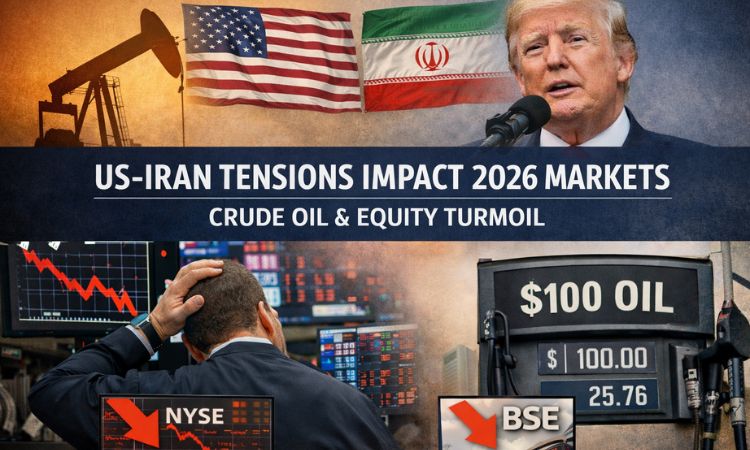
The day started with a sense of dread. As conflict intensified between the U.S., Israel, and Iran, Brent crude oil surged past the $100 mark for the first time since 2022. This sent the Indian Rupee to a record low of ₹92.30 against the dollar and sparked a 40% jump in the “fear gauge,” the India VIX.
However, the narrative took a sharp turn when President Donald Trump made a surprise announcement, claiming the Iran conflict was “very complete” and “pretty much” over. This unexpected pivot caused U.S. markets to stage a late-day comeback, even as Asian and Indian markets closed with heavy scars.
Sectors in the Spotlight: Winners and Losers
While the broader indices, such as the BSE Sensex (down 1.7%) and Nifty Bank (down over 3%), bled red, certain sectors showed remarkable resilience.
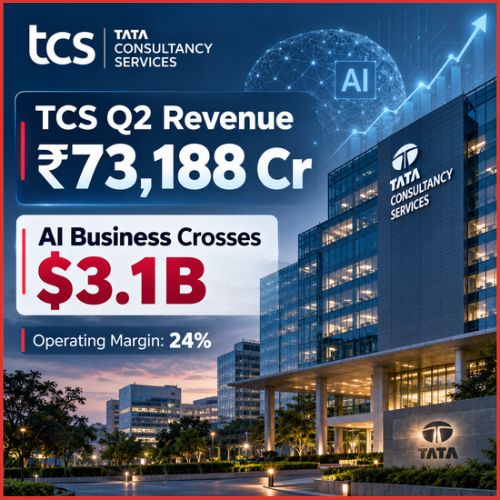
- The Tech Hedge: Despite global uncertainty, the IT sector remained a defensive stronghold. Stocks like Wipro and TCS held their ground as investors bet on digital stability.
- The Energy Crisis: Oil marketing companies (OMCs) and airlines took a massive hit. Hindustan Petroleum and IndiGo tumbled as the prospect of sustained high fuel costs threatened their bottom lines.
- Retail Resilience: Interestingly, Avenue Supermarts (DMart) and Reliance Industries emerged as top gainers, proving that essential consumption remains the ultimate haven during a crisis.
3 Key Takeaways for Business Leaders and Investors
- Watch the Fed and Interest Rates: With oil prices fueling inflation fears, the prospect of interest rate cuts in 2026 is becoming slimmer. High-growth startups should prepare for a “higher-for-longer” capital environment.
- FII Selling vs. DII Buying: Foreign Institutional Investors (FIIs) are currently in a “risk-off” mode, pulling billions out of emerging markets. However, Domestic Institutional Investors (DIIs) are stepping in to provide a floor, creating a tug-of-war for market direction.
- The AI Boom is the Anchor: Even amidst war fears, the focus on AI and semiconductor supply chains remains the primary driver for the S&P 500 and Russell 2000.
What to Expect
As we look toward the next trading session, the market is in a state of “cautious consolidation.” The initial shock of the geopolitical spike has passed, but the structural issues, inflation, oil supply, and the weakening rupee remain.
For the savvy investor, this is not a time to panic; it’s a time to filter. Quality companies with strong cash flows and minimal debt are currently “on sale.” In the world of business outreach, the winners are those who can distinguish between a temporary dip and a long-term trend.