In 2026, buyers have higher expectations than ever before. Customers now expect to receive prompt responses, personalized interactions, and seamless support via email, chat, phone, and social media. For mid-sized businesses (typically defined as having between 100-1000 employees), managing the complexity of customer service without the correct tool can be a near-impossible task.
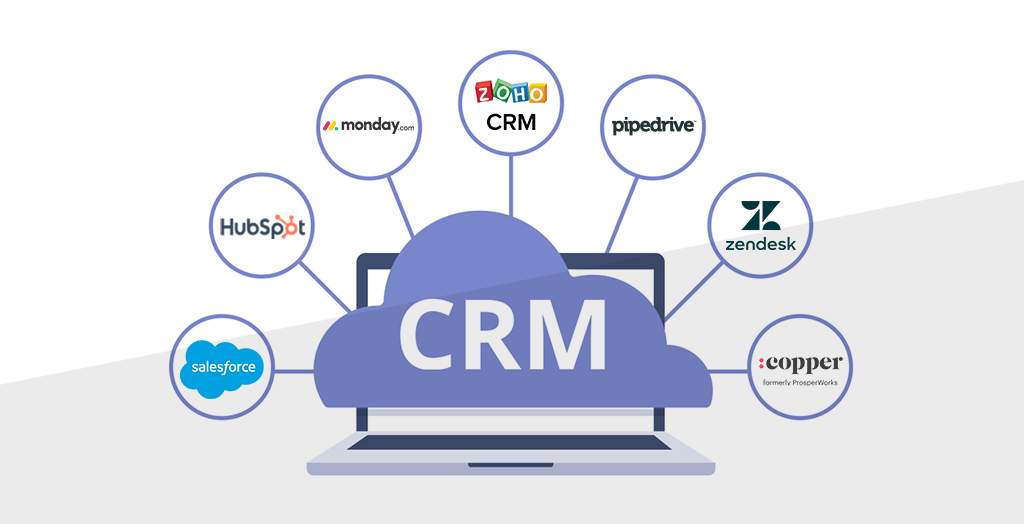
CRM software (Customer Relationship Management software), therefore, is critical. Modern-day CRMs (for mid-sized businesses) are currently more than just a contact database; they are increasingly becoming powered by AI automation, predictive analytics, workflow automation, and cloud-based CRM systems that integrate sales, marketing, and customer service into a single system.
According to numerous industry sources, approximately 90% of extending organizations utilize some type of CRM and businesses that utilize CRM tools successfully experience enhanced sales productivity, increased customer retention, etc. In 2026, the focus will be on AI-based CRM systems, live customer insight capabilities, and data-based decision-making.
What is a CRM for Midsize Enterprises?
A CRM system helps businesses manage:
- Customer data
- Sales pipelines
- Marketing campaigns
- Customer service requests
- Team collaboration
Midsize firms require a balance of advance functionally as well as the ability to easily scale their products when acquiring or deploying new technologies. Midsize firms will benefit from a greater degree of automation and higher-level reporting than what small businesses typically would be looking for. Unlike large organisations, midsize companies want to be able to implement their solutions quickly and economically.
Key Features to Look for in the Best CRM Software 2026
When selecting a CRM for business growth, midsize enterprises should focus on these essential features:
1. AI-Powered Sales Automation
Modern CRMs now use AI to:
- Predict deal closure probability
- Suggest follow-ups
- Score leads automatically
2. Cloud-Based CRM Platform
Cloud systems offer:
- Remote access
- Real-time updates
- Lower infrastructure cost
3. Marketing Automation Tools
Look for:
- Email automation
- Customer segmentation
- Campaign performance tracking
4. Advanced Analytics & Dashboards
Data-driven insights help:
- Forecast revenue
- Identify bottlenecks
- Track KPIs
5. Integration Capabilities
Your CRM should integrate with:
- ERP systems
- Accounting software
- Email platforms
- E-commerce tools
6. Scalability
As your company grows, your CRM should grow with you.
Top 7 Best CRM Tools for Midsize Enterprises 2026
Below are the leading CRM platforms dominating the market in 2026.
1. Salesforce
Best for: Advanced customization and enterprise scalability
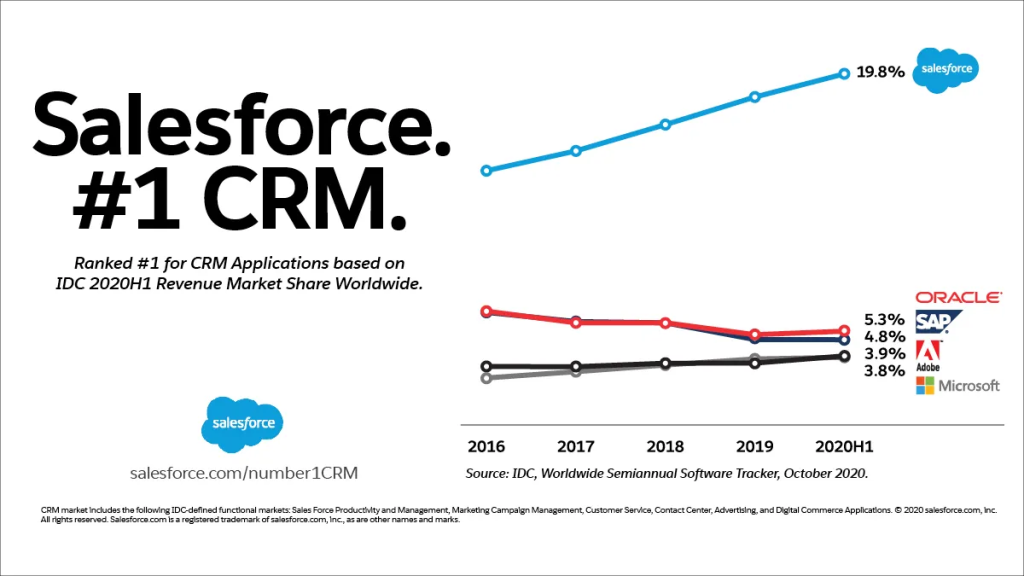
Salesforce continues to lead the global CRM market. It offers deep customization, powerful analytics, and AI features through Einstein AI.
Key Highlights:
- Advanced automation
- AI-driven insights
- Highly customizable
- Large app marketplace
Ideal for: Fast-growing midsize enterprises planning long-term expansion
2. HubSpot
Source: ecommercenews
Best for: Marketing and inbound sales alignment
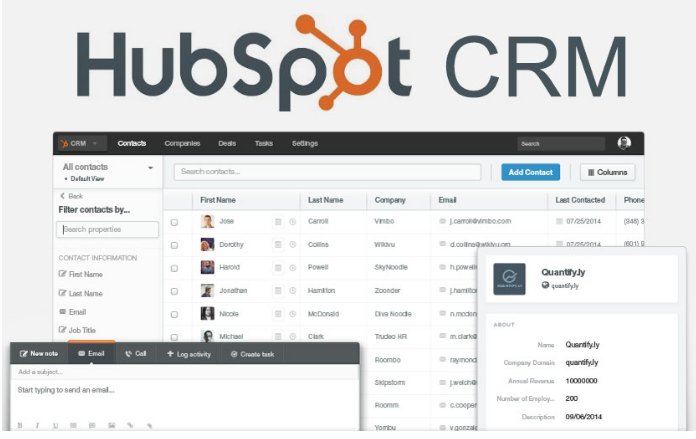
HubSpot is known for its user-friendly interface and strong marketing automation.
Key Highlights:
- Free CRM version available
- Excellent marketing tools
- Easy onboarding
- Strong reporting dashboards
Ideal for: Companies focused on digital marketing and content-driven growth.
3. Zoho CRM
Best for: Budget-friendly AI CRM
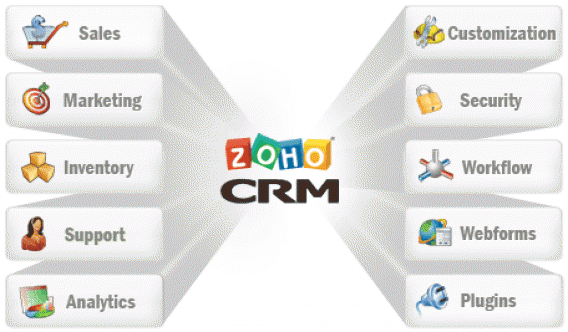
Zoho CRM offers powerful features at competitive pricing, making it popular among midsize firms.
Key Highlights:
- AI assistant (Zia)
- Omnichannel communication
- Affordable pricing
- Custom workflows
Ideal for: Companies looking for cost-effective automation.
4. Microsoft Dynamics 365
Best for: Integration with the Microsoft ecosystem
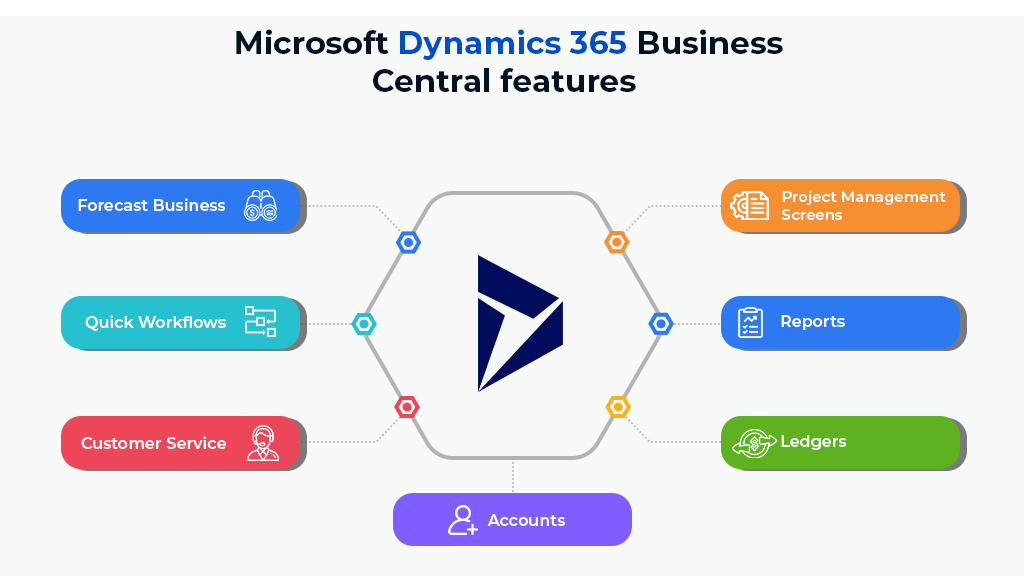
This CRM integrates smoothly with Microsoft tools like Outlook, Teams, and Power BI.
Key Highlights:
- Strong analytics
- ERP integration
- Advanced security
- Enterprise-grade features
Ideal for: Companies already using Microsoft products.
5. Pipedrive
Best for: Sales-focused teams
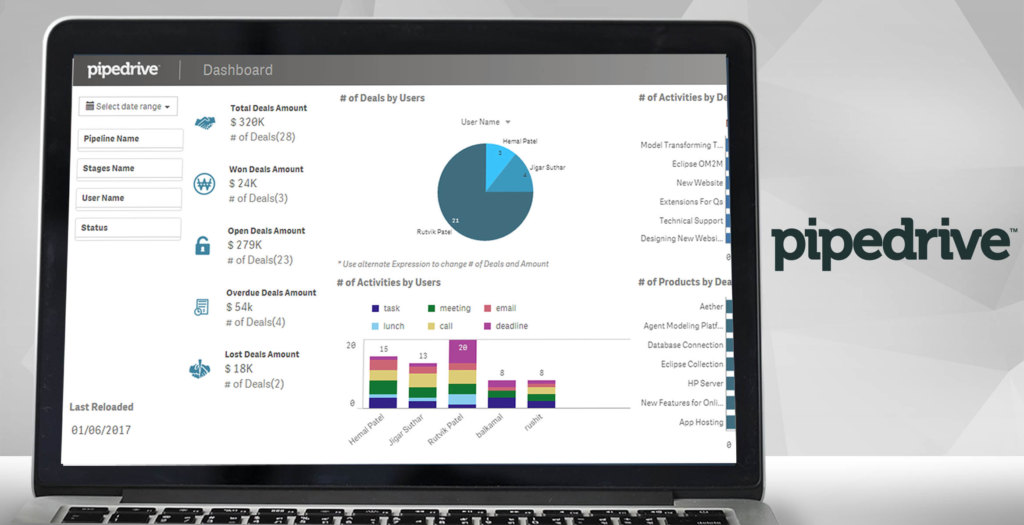
Pipedrive is simple, visual, and highly focused on sales pipeline management.
Key Highlights:
- Visual sales pipeline
- Easy automation
- Affordable plans
- Quick setup
Ideal for: Sales-driven midsize companies.
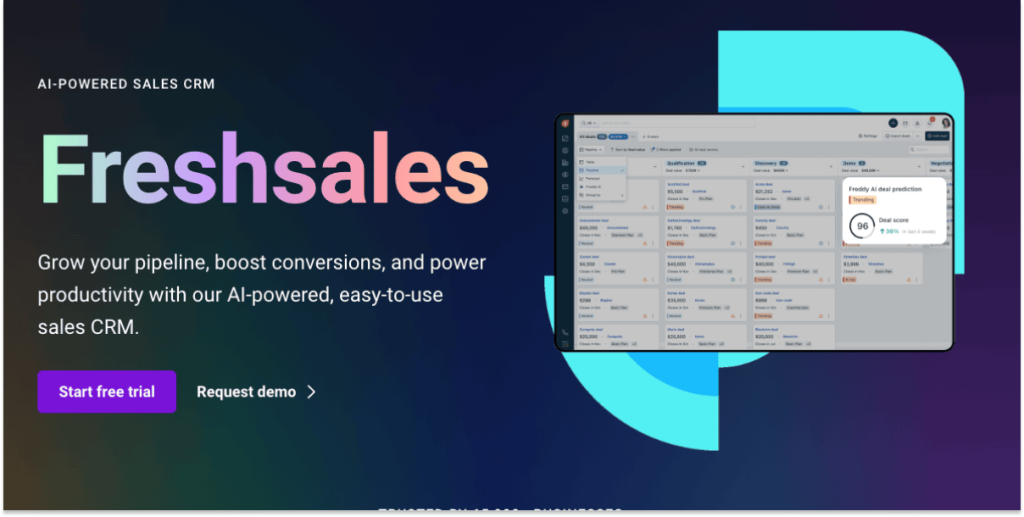
6. Freshsales
Best for: Built-in communication tools
Freshsales combines CRM with phone, email, and chat features.
Key Highlights:
- AI lead scoring
- Built-in phone system
- Automation tools
- User-friendly interface
Ideal for: Customer-facing teams.
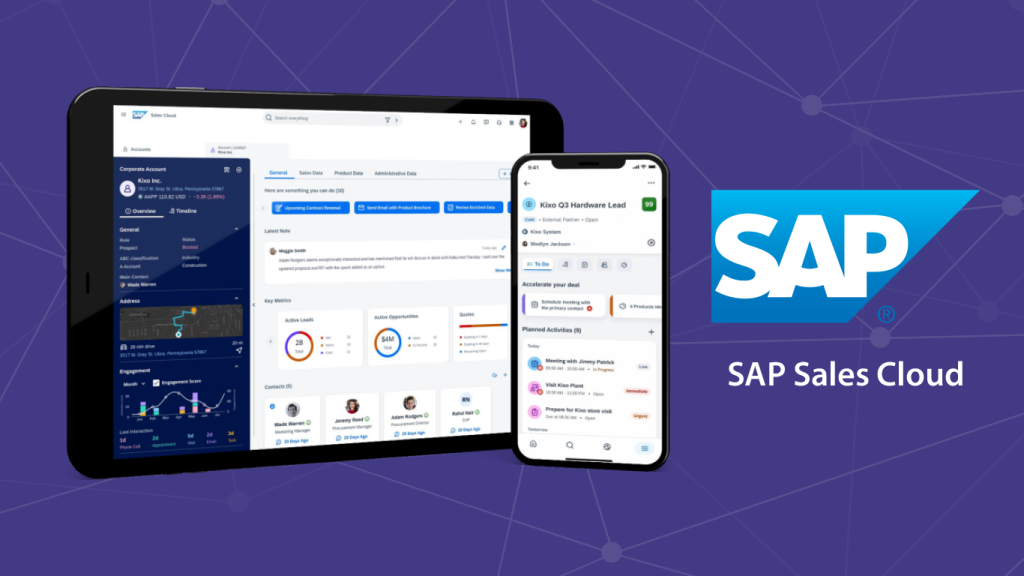
7. SAP Sales Cloud
Best for: Large-scale midsize enterprises
SAP provides strong analytics and integration with supply chain systems.
Key Highlights:
- Enterprise-level analytics
- AI forecasting
- Strong ERP connectivity
Ideal for: Manufacturing and supply-chain-based companies.
CRM Comparison Table for 2026
| CRM Tool | Best For | AI Features | Ease of Use | Scalability |
| Salesforce | Customization | Advanced | Medium | Very High |
| HubSpot | Marketing | Strong | Very Easy | High |
| Zoho CRM | Budget | Moderate | Easy | High |
| Microsoft Dynamics 365 | Integration | Advanced | Medium | Very High |
| Pipedrive | Sales Teams | Basic | Very Easy | Medium |
| Freshsales | Communication | Strong | Easy | High |
| SAP Sales Cloud | Enterprise Needs | Advanced | Medium | Very High |
Benefits of Using CRM Systems for Business Growth
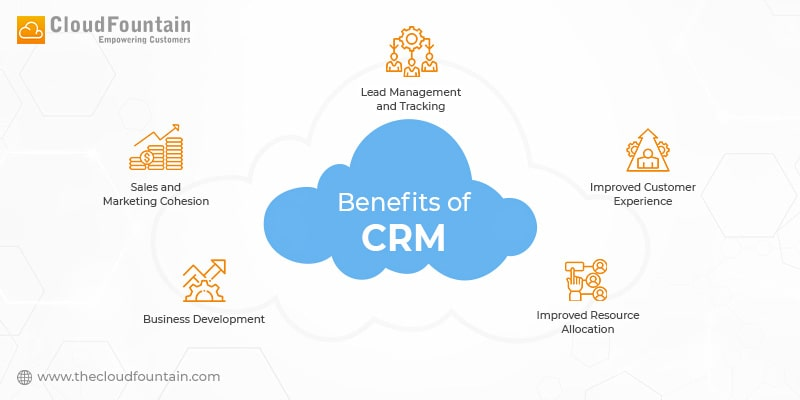
A well-implemented CRM system provides:
- Improved sales productivity
- Better customer retention
- Automated workflows
- Accurate revenue forecasting
- Stronger cross-team collaboration
- Centralized customer database
Challenges of Implementing CRM in Midsize Enterprises
While CRM systems offer many advantages, implementation requires planning.
Common challenges include:
- Employee resistance to new tools
- Data migration complexity
- Integration with legacy systems
- Initial training costs
How to Choose the Best CRM for Your Company in 2026
Before selecting a CRM, consider:
- Company size and growth plans
- Budget allocation
- Required integrations
- Team technical expertise
- Industry-specific requirements
Future Trends in CRM Technology 2026
CRM systems in 2026 are evolving rapidly.
Key trends include:
- AI-driven predictive analytics
- Hyper-personalization tools
- Voice-enabled CRM dashboards
- Mobile-first CRM platforms
- Low-code CRM customization
Conclusion
Choosing the best CRM for 2026 is a big decision strategically. The right CRM platform will allow your sales team to improve the effectiveness of their sales processes as well as enhance your interactions with your customers, thus improving your company’s potential for long-term growth.
Salesforce is an excellent choice for customizing and scaling based on your needs. HubSpot works well for teams focused on marketing. For a low-cost option that provides automation, Zoho CRM is outstanding. Companies that already use Microsoft products would find Microsoft Dynamics 365 to be the best fit.
In conclusion, when it comes to selecting a CRM that is best for your company, think about how the size of your company and the goals and digital strategy you have set determine your selection.
FAQs
Q1. How long does CRM implementation usually take for midsize enterprises?
Implementation typically takes 2 to 6 months, depending on customization, data migration, and integration complexity.
Q2. Is cloud CRM more secure than on-premise CRM?
Modern cloud CRM platforms use advanced encryption and compliance standards, often offering stronger security than traditional systems when properly configured.
Q3. Can CRM improve customer retention rates?
Yes. CRM tools help track customer behavior, automate follow-ups, and personalize communication, which improves retention.
Q4. What industries benefit most from CRM systems?
Industries such as retail, manufacturing, SaaS, healthcare, finance, and e-commerce see strong benefits from CRM adoption.
Q5. How much should a midsize company budget for CRM annually?
Costs vary widely, but midsize enterprises often spend between $15,000 to $100,000+ annually, depending on features, users, and integrations.