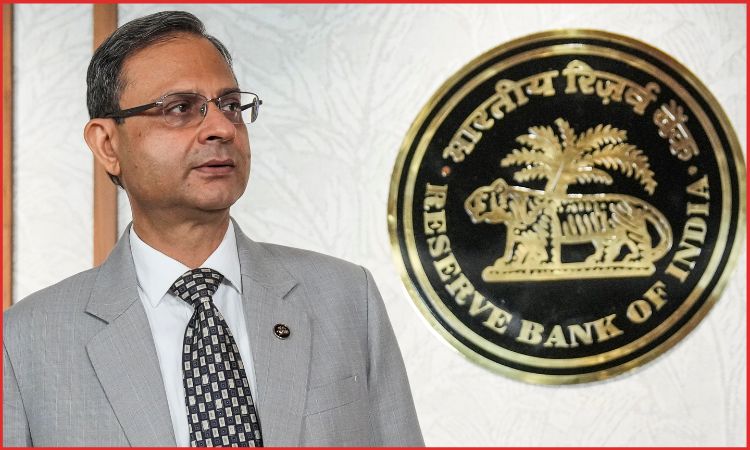
(Image Source: NDTV)
In a move that mirrors the cautious optimism of a post-Budget India, the Reserve Bank of India (RBI) has opted for a “steady as she goes” approach. From repo rates to growth forecasts, here’s how the latest MPC meeting affects your bottom line.
The dust has settled on the February 2026 Monetary Policy Committee (MPC) meeting, and for the Indian business community, the message is clear: Stability is the new growth engine. Under the leadership of Governor Sanjay Malhotra, the RBI unanimously voted to keep the repo rate unchanged at 5.25%. While some market hawks were eyeing further easing, the central bank’s decision to maintain a “neutral” stance suggests a strategic pause, a moment to breathe and assess the ripples of recent trade deals and a high-octane Union Budget.
Why the “Pause” is Actually a Power Move
The decision to hold rates is not just about playing it safe; it’s about protecting the momentum. Following a bumper week that saw the finalisation of the India-EU Free Trade Agreement (FTA) and a landmark trade deal with the US, the economic landscape has shifted.
“The interest of the economy demands financial stability and consumer protection,” Governor Malhotra noted during his address. By keeping the repo rate steady, the RBI is ensuring that the 125 basis points of cuts delivered over the past year have the time to fully transmit into the real economy, benefiting everything from corporate lending to MSME credit.
GDP: The 7.4% Ambition
Perhaps the most encouraging takeaway for investors is the RBI’s upward nudge of the GDP growth forecast. The central bank now expects India’s real GDP to hit 7.4% for FY26, up from earlier estimates. This confidence stems from:
- Resilient Domestic Demand: Despite global headwinds, Indian consumers continue to spend.
- Manufacturing Revival: A visible uptick in Q3 recovery signals that the “Make in India” engine is gaining secondary heat.
- Agricultural Optimism: A favourable Rabi crop prospect is expected to keep the rural economy buoyant.
The Inflation “Goldilocks” Zone
Inflation has been the boogeyman of the global economy for years, but the RBI sees a different story for India. Headline inflation is projected to stay manageable at 2.1% for FY26.
However, there is a catch. The MPC slightly raised its inflation targets for early FY27 (4.0% to 4.2%). Interestingly, this is not due to the usual suspects like onions or tomatoes. Instead, the spike is attributed to soaring gold and silver prices. For the business world, this means core inflation remains stable, but the cost of “hedging” and luxury commodities may pinch.
Key Takeaways for Business Leaders:
- MSME Boost: The limit for collateral-free loans to MSMEs has been hiked from ₹10 lakh to ₹20 lakh, a massive win for small-scale entrepreneurs.
- Fraud Protection: A new framework will compensate customers for small-value fraudulent transactions up to ₹ 25,000, bolstering trust in digital payments.
- Real Estate Liquidity: Banks are now permitted to lend to REITs (Real Estate Investment Trusts) under specific safeguards, opening up new capital avenues for the property sector.
The Bottom Line
India is currently in what the Governor calls a “Goldilocks phase,” neither too hot to trigger aggressive inflation nor too cold to stall growth. For businesses, the current environment offers a predictable interest rate regime and a government committed to capital expenditure.
As global trade policies remain volatile, the RBI’s neutral stance provides the flexibility to pivot if needed. For now, the focus remains on execution, expansion, and making the most of a stabilised domestic market.