Source: Pratham
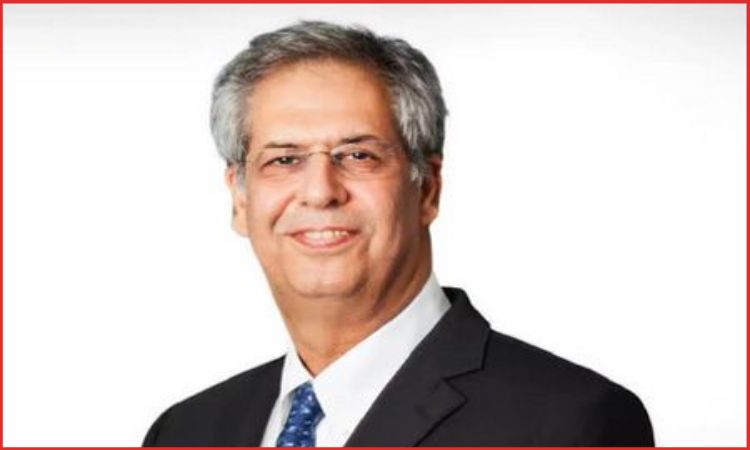
The landscape of Indian philanthropy and corporate governance is shifting once again. Pramit Jhaveri, the former Citibank India CEO and a heavyweight in the financial sector, has confirmed he will step down as a trustee of the Sir Dorabji Tata Trust on February 11, 2026.
In a formal letter to Chairman Noel Tata dated January 31, Jhaveri made it clear that he is not seeking reappointment. While the exit is being framed as a voluntary conclusion to his term, it marks the departure of yet another veteran voice during a pivotal moment for the Tata ecosystem.
A Strategic Exit Amidst Institutional Churn
Pramit Jhaveri’s departure isn’t just a routine retirement; it’s a significant data point in the ongoing evolution of Tata Trusts. Since the passing of Ratan Tata, the institution, which holds a majority stake in Tata Sons, has been recalibrating its inner circle.
While recent months have seen some trustees exit following contested reappointment debates, Jhaveri’s exit appears seamless. However, his absence will be felt. As a seasoned banker, he brought a level of financial rigour and strategic oversight that was vital during a period of intense internal governance reviews.
Why This Matters for Tata Sons and Global Investors
To the uninitiated, a change in a philanthropic board might seem localised. But for the Tata Group, the stakes are global.
- Corporate Control: Because the Sir Dorabji and Sir Ratan Tata Trusts control the majority of Tata Sons, these trustees hold the keys to the kingdom. They influence board appointments, capital structures, and long-term strategic pivots for the entire conglomerate.
- Shifting Governance: There is a growing conversation in corporate circles about a shift from a “consensus-driven” model to a more formalised, vote-based decision-making process. Jhaveri’s exit is seen by many as another step toward this new, modernised era of governance.
The Search for New Expertise
The vacancy left by Jhaveri opens the door for Noel Tata to further define his vision for the Trusts. Analysts expect the next appointee to reflect the group’s “future-forward” priorities, potentially bringing in expertise in:
- Sustainable Finance & Climate Initiatives
- Tech-Driven Healthcare Scaling
- Complex Corporate Oversight
“Jhaveri’s departure is another piece of a larger puzzle. It underscores that Tata Trusts is moving beyond individual personalities toward a structured institutional transition.”
The Road Ahead
As the sun sets on Jhaveri’s tenure, the focus shifts to the “new guard.” The coming months will be telling. The individuals chosen to fill these vacancies won’t just manage a charity; they will help steer one of the world’s most influential business empires through the complexities of the mid-2020s.