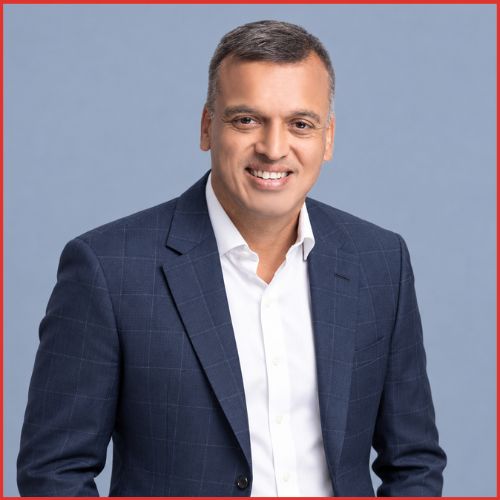
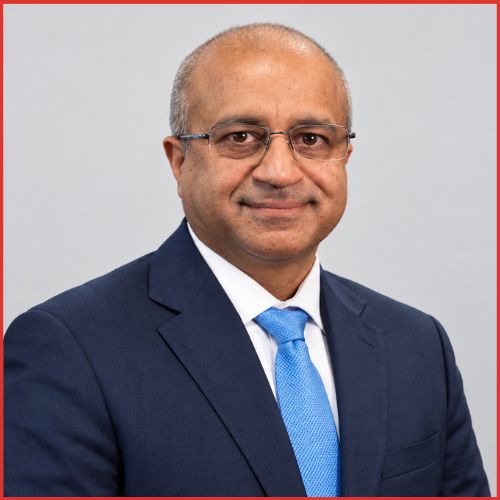
In the past seven years, the Indian telecom industry has undergone a structural transformation, marked by intense competition and dramatic business strategies. At the forefront of this revolution are two tycoons, Reliance Jio and Bharti Airtel.
Airtel has come a long way and emerged as one of the few large private telecom operators to survive India’s prolonged telecom price war. According to Sunil Mittal, the chairman of the company, it has successfully managed through:
- The intense competition in 2003
- The Supreme Court’s AGR verdict in 2020
- The impact of Reliance Jio in 2016
In spite of facing these challenges, Bharti Airtel has emerged as a stabilising force in an industry marked by prolonged financial stress. It has fought difficult battles and emerged stronger as a financially and operationally stable organisation, after 5 years of storms in the telecom industry.
Let’s take a look at Sunil Mittal’s business strategy that made Airtel one of India’s most resilient and profitable telecom operators!
The Establishment of Airtel
In the early 1990s, when the Indian government liberalised the telecommunications sector, Sunil Mittal seized the opportunity and launched Bharti Airtel Limited, which is now one of the world’s largest telecommunications companies by subscriber base.
With his strong vision and strategies, he navigated the complex regulatory landscape effectively and built a robust infrastructure to deliver affordable, reliable mobile service to everyone.
The launch of Airtel services in 1995 marked a significant landmark in India’s telecom revolution. His commitment to innovation, customer-centric approach, and aggressive expansion of strategies have rapidly propelled the company to the forefront of the industry, enabling it to capture the major market share and build a strong brand presence across India.
Airtel’s Remarkable Reawakening
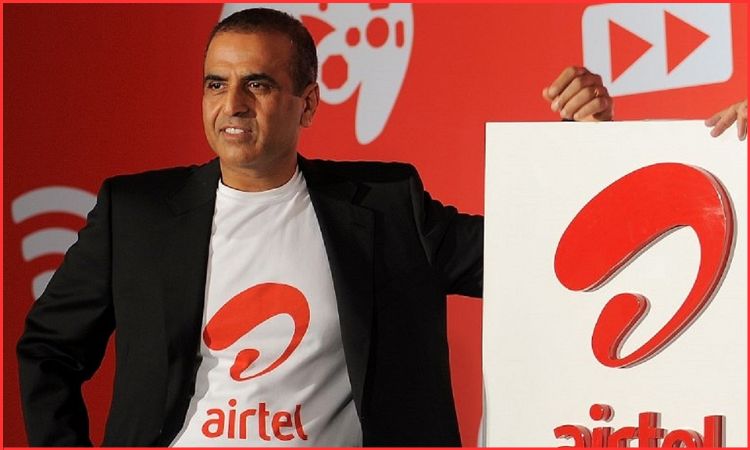
When Reliance Jio arose, it triggered a wave of consolidation. Major players were consolidating, and new entrants such as Vodafone Idea emerged, while others, such as BSNL, struggled to remain viable. Telenor and Aircel have exited the market, while Airtel emerged as one of the few operators to stabilise and grow during this shift.
After reporting a net loss of over ₹12,000 crore in FY21 due to AGR liabilities and price wars, Airtel returned to profitability in FY22, driven by tariff hikes, ARPU improvement, and cost rationalisation. In FY23, when Jio reported revenue of 1.19 trillion rupees, Airtel reported revenue of 1.39 trillion rupees.
Not only this, but Airtel’s stock price also outperformed the Nifty index over the past six quarters, which showcases the remarkable comeback of Airtel. This financial recovery gave Airtel the confidence to accelerate investments in next-generation networks.
Technological Advancements in Industry
The telecommunication industry has witnessed significant technological advancements since 2005, shifting from SMS services to a fully digital model characterised by a data-driven approach. Airtel’s 5G is available in 500+ cities, with the announcement of 5G in Ladakh.
Jio officially launched its services to the public on September 5, 2016. The introductory offers were unprecedented for the Indian telecom market. For a time, data was virtually free, and millions of Indians who had never used the internet suddenly found themselves streaming, downloading, and video calling at high speed, without paying.
Airtel, with decades of legacy, was India’s largest telecom operator at the time, but its market share was eroding. Jio’s customer base increased rapidly. Airtel adapted, fought, and stayed in the market.
Sunil Bharti Mittal’s contribution to the Telecom Industry
Sunil Mittal’s contribution to the telecom industry extends beyond the success of Airtel. He has always been the backbone of India’s self-service communication, making it accessible and affordable to millions. His vision and leadership have been essential in shaping the direction of the industry and promoting a healthy, competitive and innovative environment.
- Affordable Services: His strategy of cost-effective solutions and innovative pricing made mobile services affordable for millions of people, bridging the digital divide and empowering individuals and communities across India.
- Infrastructure Development: It is essential to recognise the importance of robust infrastructure, and Sunil Mittal has done this very effectively. He expands the telecommunications networks and ensures smooth connectivity even in remote areas.
- Industry Advocacy: Sunil Mittal has been vocal in supporting progressive policies and regulatory frameworks that promote fair competition, consumer protection, and sustainable growth in the sector.
- Global Expansion: Under his leadership, Airtel has expanded its presence in foreign markets of Africa and South Asia, further strengthening its position as an international telecommunications powerhouse.
Sunil Mittal’s Business Strategy
Sunil Bharti Mittal’s business strategies are pivotal to Airtel’s success and culture. His approach is unique, blending progressive thinking with a deep understanding of the industry’s evolving landscape.
One of the characteristics of his leadership is his ability to foster an innovative culture and entrepreneurship, both within and outside the organisation. He also encourages his team, promotes new ideas, and continuously seeks ways to improve the customer experience.
Additionally, Sunil Mittal’s management style is known for a strong focus on customers’ needs. He has a deep understanding of customers’ preferences across the organisation and ensures Airtel consistently delivers innovative, tailored solutions that meet customer expectations.
A commitment to business ethics and corporate responsibility has also characterised his leadership. He promoted initiatives to advance sustainable development, protected the environment, and encouraged community empowerment, ensuring that Airtel’s success is measured not only by financial metrics but also by its positive societal impact.
Below are some of the hurdles that were successfully managed by Sunil Mittal that helped in the survival and growth of Airtel:
- Regulatory complications: The telecommunications industry is heavily regulated, and Sunil Mittal has managed it very thoughtfully. The complex regulatory frameworks, policy changes, and licensing issues often require strategic planning and adaptation.
- Intense competition: The Indian telecom market is highly competitive, and numerous players are eyeing the market share. Sunil Mittal has continuously innovated and differentiated Airtel’s offerings to maintain a strong customer focus and stay ahead of the competition.
- Pricing pressure: The telecommunications industry has experienced intense price wars, with companies offering huge discounts and promotions to attract customers. Sunil Mittal has achieved a delicate balance between maintaining profitability and offering competitive pricing, ensuring the company remains the top choice for customers and stays relevant in the market.
- Technological disruptions: Rapid technological advancements, such as 4G and 5G networks, have necessitated significant investments to adapt. Sunil Mittal has led these disruptions proactively to maintain Airtel’s competitive edge.
- Debt management: Airtel’s aggressive expansion and diversification strategies have often constrained substantial capital investments, resulting in elevated debt levels. But Sunil Mittal has carefully managed the company’s debt and maintained a healthy financial position to sustain growth and profitability.
Understanding the Telecom Battlefield
To understand the complex telecom battlefield, it is better first to grasp the intricacies of the Indian market. Let’s examine the video consumption segments!
| Categories | Consumptions | Descriptions |
| Dark TV Homes | 150 million | Homes without access to TV or OTT but with basic phones. |
| Free Consumers | 45 million | Users who watch TV for free with advertisements. |
| TV First Customers | 77 million | Users who pay for TV but not for OTT. |
| Digital First Customers | 43 million | Pay for both TV and at least one OTT service. |
| Digital Only Customers | 2 million | Consume content exclusively on digital platforms. |
This segmentation explains Airtel’s dual focus on premium ARPU users and digital-first households, rather than mass free data consumption.
Expansion and diversification of Airtel
Sunil Mittal’s vision and ambition were not restricted to the telecom industry only. But over the years, he has strategically expanded Airtel’s operations across multiple sectors, including digital services, mobile money, enterprise solutions, and more.
This expansion has not only strengthened the company’s revenue streams but has also positioned it as a leading player and major competitor in the digital transformation era.
One of Airtel’s notable expansion steps has been its entry into the digital entertainment space with the launch of Airtel TV and Airtel Xstream, which offer a wide range of content and streaming services to meet evolving consumer preferences.
Additionally, the company has ventured into the fintech sector through Airtel Payments Bank, which offers accessible, secure payment services to consumers.
Sunil Mittal’s ability to identify the emerging trends and adapt to the evolving market dynamics has been a key driver of Airtel’s success and longevity. By continuously diversifying and expanding, the company has remained at the forefront of innovation, delivering cutting-edge solutions to customers across various sectors.
Conclusion
Sunil Mittal’s story is a potent reminder that unwavering determination, a strategic thinking approach, and commitment to excellence can overcome challenges.
Sunil Bharti Mittal’s achievements and contributions make it clear that his legacy extends beyond the telecom industry. He is a true visionary, a trailblazer, and an inspiration to generations of aspiring entrepreneurs and leaders.
FAQs
Q1. What are the strategies of Airtel?
A: Airtel’s strategy is to focus on digital-first engagement through the ‘Airtel Thanks App’ and rewards, 5G partnerships, strong network infrastructure, and targeted advertising, which helps in its growth.
Q2. How did Airtel survive the telecom war?
A: Instead of fighting on price, Airtel bet on quality and profitability. They stopped being everything to everyone and became indispensable to the few who mattered most.
Q3. Who founded Airtel?
A: Sunil Bharti Mittal was born on 23rd October 1957, is an Indian billionaire industrialist and philanthropist. He is the founder of Bharti Enterprises.
Q4. Whose network is best in India?
A: Jio and Airtel have the best nationwide 4G/5G coverage, while BSNL is better for remote areas.